Sear a chuck roast, add aromatics and liquid, then braise low and slow until fork-tender.
If you want a cozy, fall-apart beef dinner, learning how to cook pot roast in a dutch oven is the move. I’ve tested this method for years in busy weeknights and holidays. You’ll get clear steps, smart timelines, and chef-level tips to nail it every time.
Why a Dutch Oven Makes the Best Pot Roast
A dutch oven is heavy, tight-lidded, and oven-safe. It keeps heat even and steady. That is perfect for braising.
Moist heat breaks down collagen into silky gelatin. That is why pot roast feels rich and tender. The sear builds deep flavor through browning. Then the closed pot traps steam and keeps meat juicy.
If you want the most reliable way to master how to cook pot roast in a dutch oven, start here. It is simple, steady, and very forgiving for home cooks.
Choose the Right Cut of Beef
Pick a tough, well-marbled cut. These cuts love long, slow heat.
- Chuck roast is the gold standard. It is flavorful and tender when braised.
- Brisket works but can be a bit lean on the flat end.
- Bottom round can work if you cook longer and slice thin.
Look for good marbling and a weight of 3 to 4 pounds. Bone-in chuck adds flavor, but boneless is easier to carve. When people ask how to cook pot roast in a dutch oven that tastes rich, I always point them to chuck first.
Ingredients and Smart Swaps
Here is a classic setup with simple swaps that fit your pantry.
- Beef chuck roast, 3 to 4 pounds
- Kosher salt and black pepper
- Neutral oil with a high smoke point
- Onion, carrots, and celery
- Garlic cloves
- Tomato paste
- Beef broth or stock
- Red wine or extra broth
- Bay leaf, thyme, and rosemary
- Worcestershire sauce or soy sauce for umami
- Potatoes, or use parsnips or turnips
- Optional mushrooms for extra savor
Swaps that work well:
- Use balsamic or apple cider for a wine-free tang.
- Use shallots instead of onions for a sweeter base.
- Add miso for extra depth if you skip Worcestershire.
I use the same pantry path when teaching friends how to cook pot roast in a dutch oven. It keeps flavor bold and clean.
Tools and Setup
Keep tools simple and sturdy.
- A 5 to 7 quart dutch oven with a tight lid
- Instant-read thermometer or probe
- Tongs and a wooden spoon
- Foil and a sheet pan to rest meat
- Ladle and sieve for gravy
Preheat your oven to 300°F. This is a sweet spot for steady braising. If you are just learning how to cook pot roast in a dutch oven, this temperature gives you a wide safety window.
How to Cook Pot Roast in a Dutch Oven: Step-by-Step
These steps are my go-to. They blend technique with a few pro tips I learned in restaurant prep and home tests.
- Season and rest. Pat the roast dry. Salt and pepper it well. If you can, salt 12 to 24 hours ahead and keep it covered in the fridge. That dry brine boosts flavor and moisture.
- Sear hard. Heat oil in the dutch oven over medium-high. Sear the roast on all sides until deep brown. Do not rush this; browning builds the base.
- Build the base. Drop heat to medium. Add onions, carrots, and celery. Cook until soft and golden at the edges. Stir in tomato paste and cook until it darkens.
- Deglaze. Pour in wine. Scrape the brown bits. Let it reduce by half. Add broth, garlic, herbs, and Worcestershire.
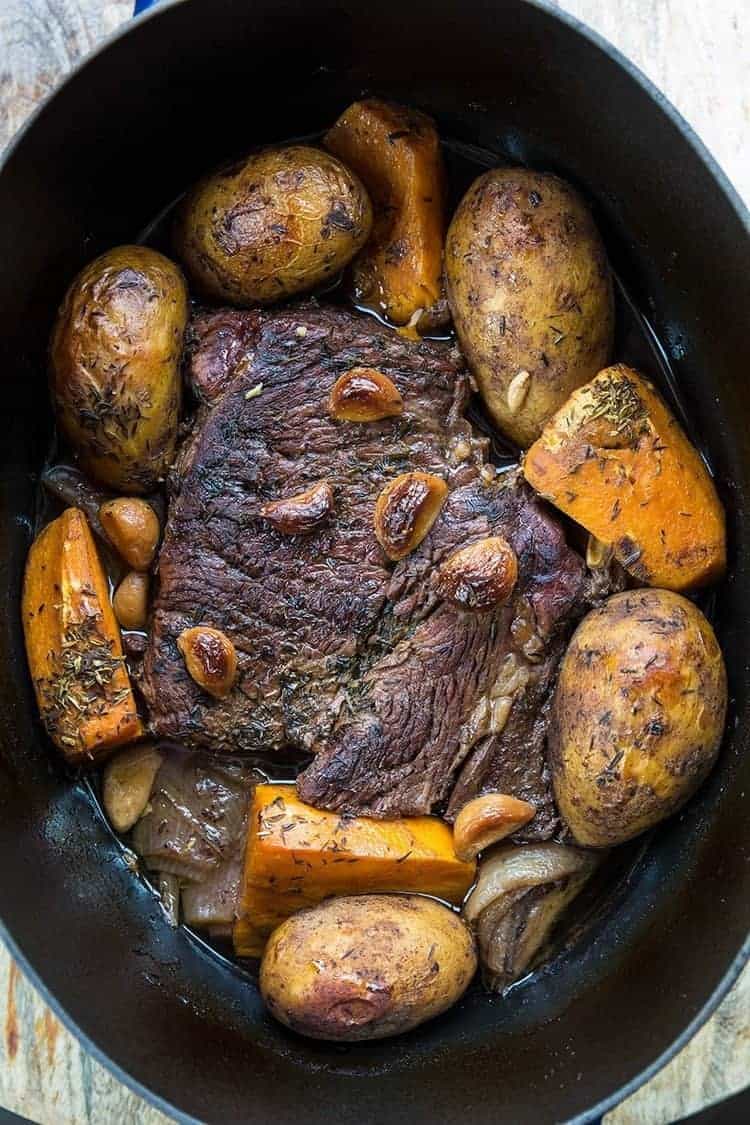
- Nestle and braise. Return the roast to the pot. Liquid should come halfway up the meat. Add potatoes on top so they steam, not stew. Cover with the lid.
- Oven time. Braise at 300°F until fork-tender, about 3 to 4 hours for a 3 to 4 pound roast. Flip the roast halfway if the liquid is shallow.
- Check doneness. Aim for 195°F to 205°F internal for pull-apart tender. A fork should slide in and twist with little effort.
- Rest and reduce. Move the roast to a tray and tent with foil for 20 minutes. Simmer the braising liquid to thicken. Skim fat or use a fat separator.
- Make gravy. Whisk in a cornstarch slurry if you want it thicker. Taste and adjust salt and acid. A splash of vinegar or wine can brighten it.
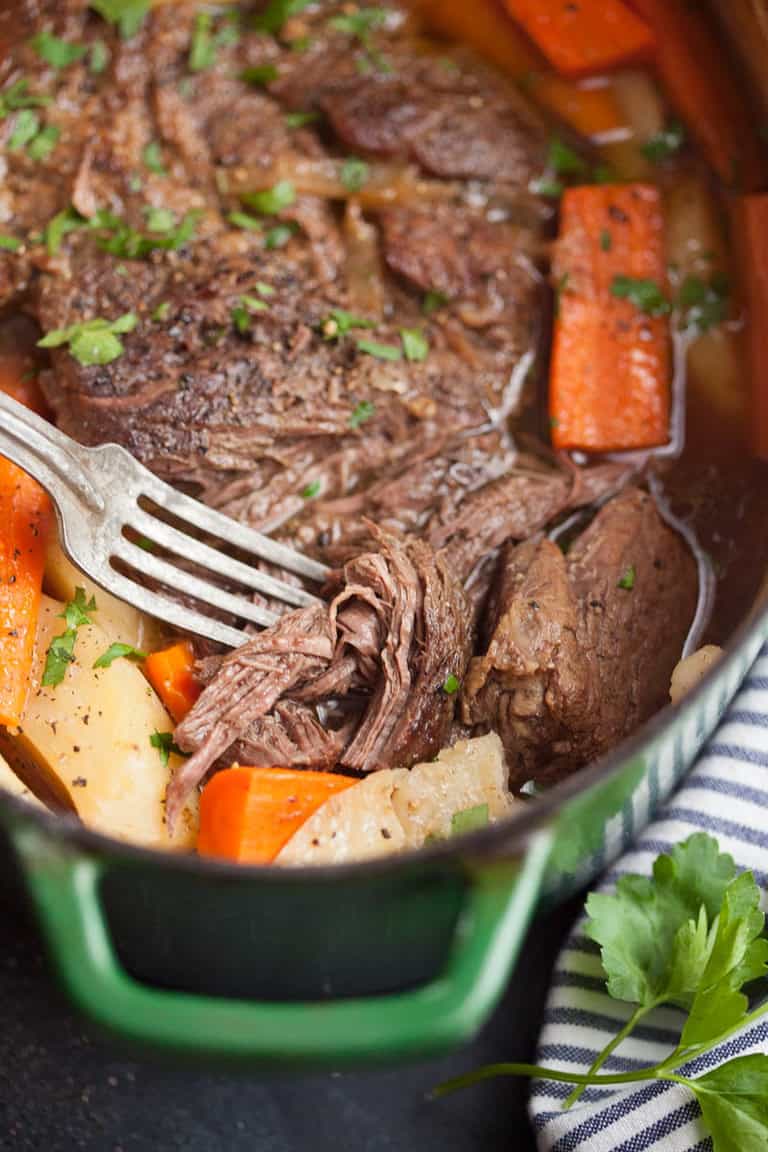
- Slice or shred. Slice across the grain for neat slices. Or shred for a rustic style. Spoon gravy over the top.
If you need a fast mental map of how to cook pot roast in a dutch oven, remember: sear, deglaze, add liquid, cover, braise, rest, sauce.
Time, Temperature, and Doneness
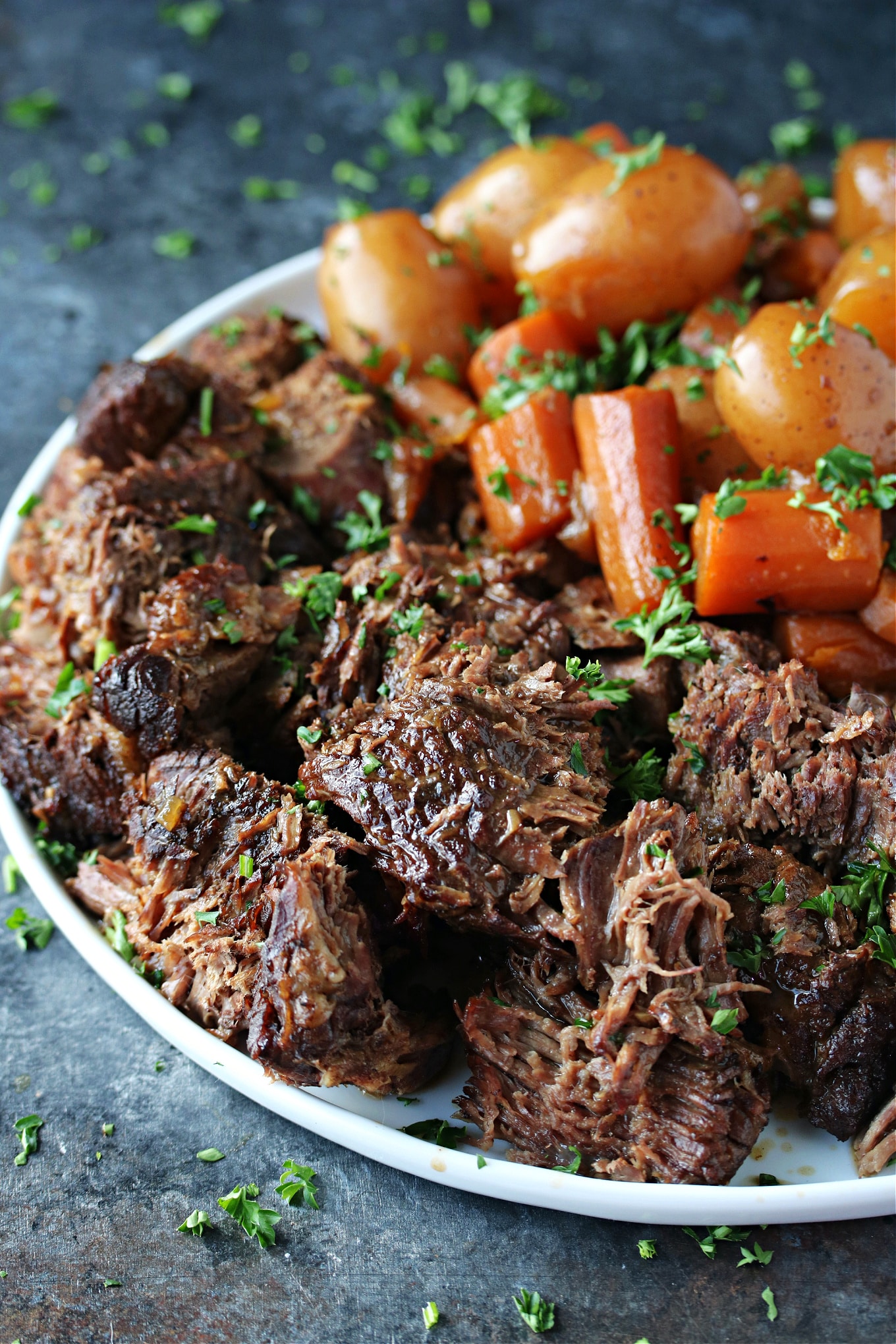
Pot roast is not about speed. It is about steady heat and time. Low and slow turns chewy collagen into a soft, juicy bite.
- Oven temp: 275°F to 325°F works. I prefer 300°F for balance.
- Time guide: Plan 1 hour per pound, plus a little extra. Start checking at 2.5 hours.
- Internal temp: 195°F to 205°F for tender, shreddable meat.
Food safety guidance says to refrigerate cooked food within 2 hours. Braising temps and the covered pot help control moisture loss and keep the roast juicy. I learned this the hard way by testing 350°F, which rushed the cook and dried the edges.
Flavor Boosters and Variations
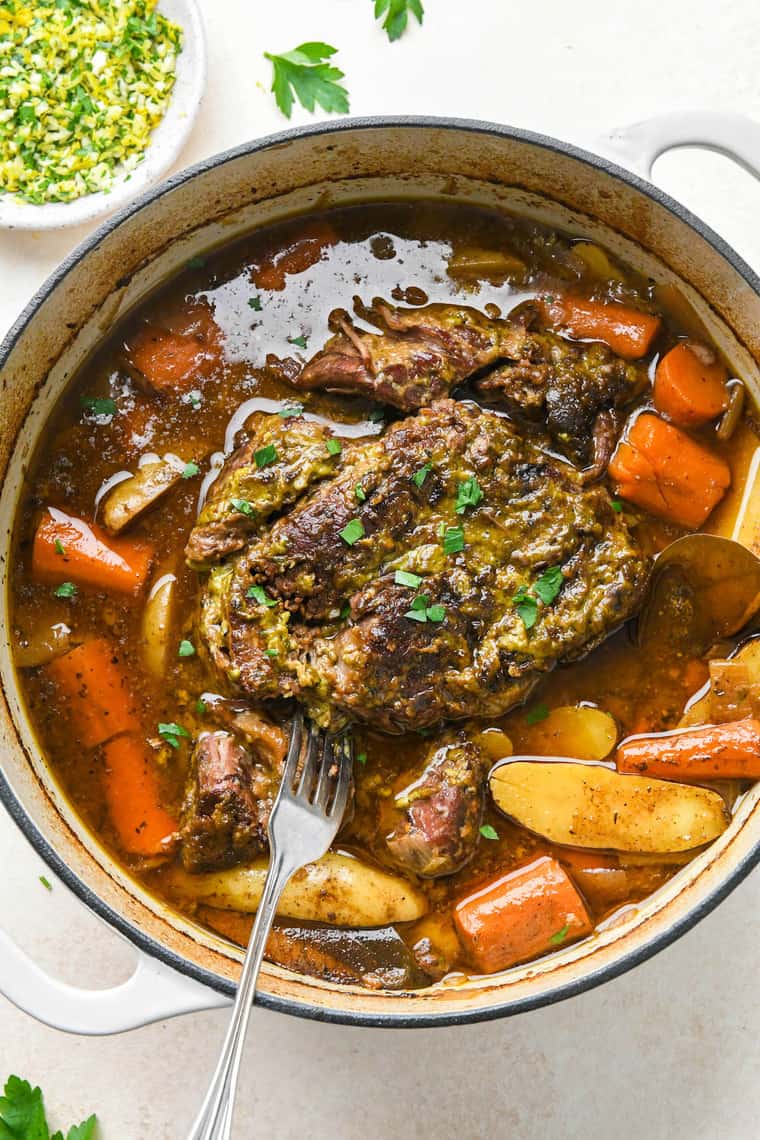
Once you learn how to cook pot roast in a dutch oven, you can change the profile with small tweaks.
- French onion style: Double the onions. Add a splash of sherry. Finish with a knob of butter.
- Italian style: Use tomatoes, rosemary, oregano, and red wine. Serve with polenta.
- Country classic: Use extra Worcestershire, thyme, and mushrooms. Serve with mashed potatoes.
- Balsamic-herb: Use balsamic, garlic, and rosemary. Finish with fresh parsley and lemon zest.
- Umami lift: Add soy sauce, miso, or anchovy paste to deepen the sauce.
These swaps keep the base method the same. That is the beauty of how to cook pot roast in a dutch oven. Once you have the method, flavor is playtime.
Serving, Sides, and Gravy
Make it a complete meal without extra stress.
- Serve over mashed potatoes, buttered noodles, or creamy polenta.
- Add a crisp side salad or green beans for balance.
- Stir a little butter into the sauce for a glossy finish.
If the gravy tastes flat, add salt in small pinches and a splash of acid. A tiny bit of sugar can balance a sharp wine sauce. When folks ask how to cook pot roast in a dutch oven that wows guests, I say focus on the gravy finish.
Storage, Reheating, and Make-Ahead
Pot roast tastes even better the next day. The flavors meld as it chills.
- Cool and store in shallow containers within 2 hours.
- Keep the meat in the sauce so it stays moist.
- Refrigerate up to 4 days, or freeze up to 3 months.
Reheat low and slow on the stove or in a 300°F oven until hot. Add a little broth if the sauce tightens. This is my favorite tip for meal prep and for anyone learning how to cook pot roast in a dutch oven for a crowd.
Troubleshooting and Common Mistakes
Learn from my wins and misses so you can skip the stress.
- Roast is tough: It likely needs more time. Keep braising until a fork slides in and twists with ease.
- Sauce is greasy: Chill and lift the fat cap, or use a separator. Skim as you reduce.
- Veggies are mushy: Keep them in larger chunks or add midway. Place on top so they steam.
- Bland flavor: Salt in layers. Deglaze well. Finish with acid and fresh herbs.
- Burnt bits: Heat too high during the sear. Use medium-high and enough oil. Move to the oven soon after adding liquid.
If you are still unsure how to cook pot roast in a dutch oven without drying it out, remember to keep the lid on and the liquid halfway up the roast.
Frequently Asked Questions of how to cook pot roast in a dutch oven
How much liquid do I need?
You want liquid to come halfway up the roast. That keeps the top from boiling and helps the bottom braise.
Can I skip the sear?
You can, but you will lose depth. Searing builds rich, savory flavor that carries the whole dish.
What if I do not have wine?
Use more broth and a splash of vinegar or Worcestershire. You still get balance and brightness.
Should I cut the roast into chunks first?
You can, but a whole roast stays juicier. If you cube it, reduce cook time a bit and watch doneness.
Can I cook it on the stovetop the whole time?
Yes, on low heat with the lid on. Turn the roast a few times and keep a gentle simmer, not a rolling boil.
How do I reheat without drying?
Warm in sauce at 300°F or on low on the stove. Add a splash of broth if needed and cover to trap steam.
Conclusion
You now have a full, clear plan for tender, flavorful pot roast. Sear well, braise low and slow, and finish the sauce with care. Small steps add up to big comfort.
Set a date, grab a chuck roast, and cook it this week. If you found this guide on how to cook pot roast in a dutch oven helpful, subscribe for more tested, easy comfort-food lessons. Drop your questions or your own tips in the comments—let’s cook better together.