Yes, you can use a Dutch oven pot on the stove with proper care.
If you cook often, you know heat control makes or breaks a meal. Here, I answer can you use a dutch oven pot on the stove with clear steps, smart tips, and tested know-how. I have used Dutch ovens on gas, electric, glass, and induction. You will learn how to use yours safely, what to cook, and how to avoid cracks, chips, and stuck-on messes.
What Is a Dutch Oven and Why It Works on the Stove
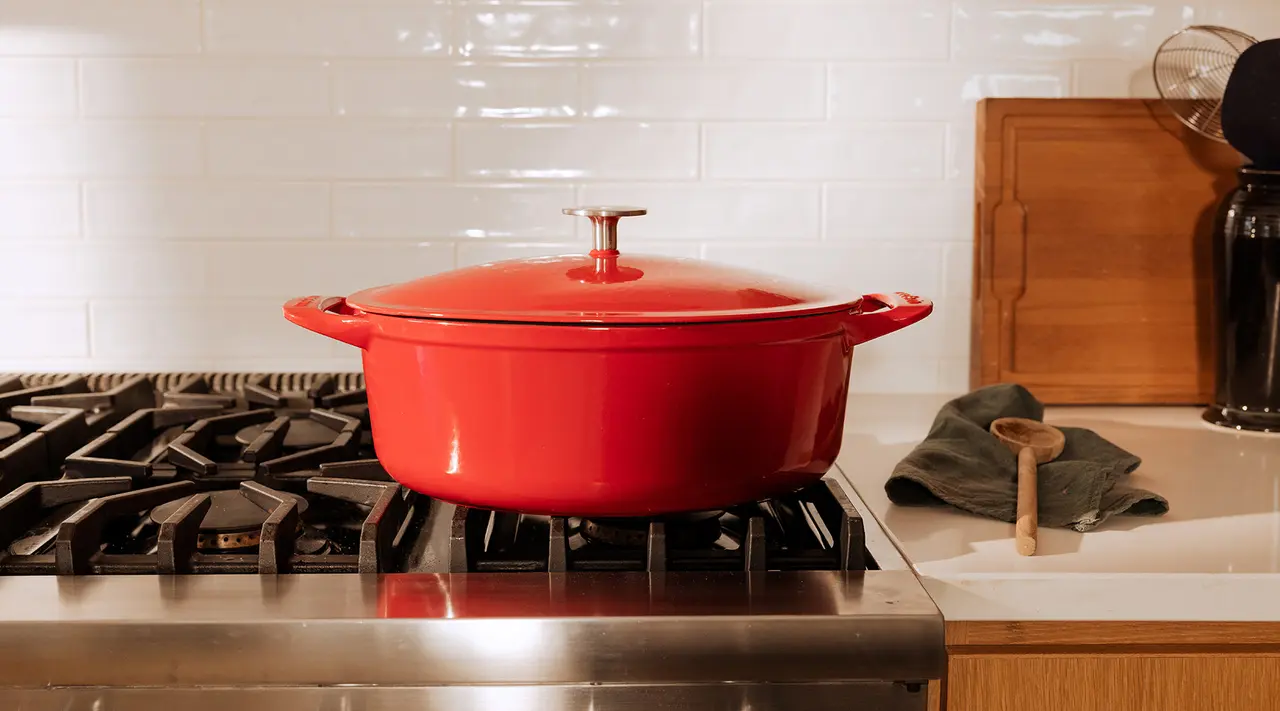
A Dutch oven is a heavy pot with thick walls and a tight lid. Most are cast iron, either bare or coated with enamel. The heavy base spreads heat well. The lid keeps moisture in. That is why soups, stews, and braises turn out rich and even.
Two main types exist.
- Enameled cast iron resists rust, is easy to clean, and does not need seasoning. It dislikes sudden heat shocks and very high direct heat.
- Bare cast iron needs seasoning, handles high heat, and can brown with ease. It may react with acids if seasoning is weak.
Both can sit on a burner. The weight and flat base help with stable contact and even heat.
Can You Use a Dutch Oven Pot on the Stove?
Yes. You can set a Dutch oven on most home stoves. The key is matching the pot and the burner, then managing heat. People ask, can you use a dutch oven pot on the stove for daily cooking? You can, and it works well for browning, simmering, and even frying.
Stove types and what to do:
- Gas works great. Keep flames under the base. Do not let flames lick the sides. Use medium heat for enamel.
- Electric coil is fine. Heat the coil first on low to medium. Then place the pot and raise heat slowly.
- Glass or ceramic top needs care. Lift, do not slide, to avoid scratches. Use medium heat and a flat, dry base.
- Induction is ideal. Cast iron is magnetic, so it heats fast. Start low. Move up in small steps.
I test recipes on all four. On gas, I keep the flame tight. On glass, I always lift. On induction, I nudge power up one level at a time. If you wonder, can you use a dutch oven pot on the stove when it is enameled, the answer is still yes. Just avoid sustained high heat and sudden temperature swings.
Heat and Technique Essentials on the Stovetop
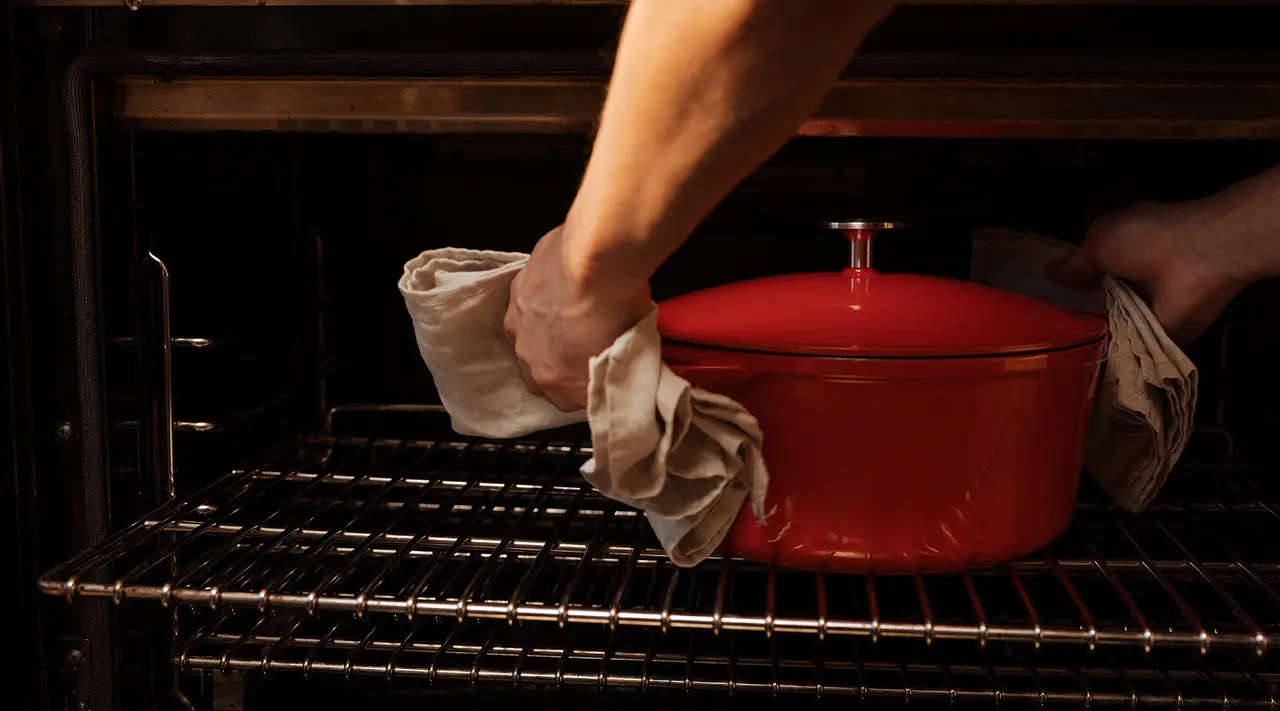
Steady, moderate heat gives the best results. The metal is thick, so it holds heat. Use time, not high flames, to build a sear.
Key rules I live by:
- Preheat on low for a few minutes. Then go to medium.
- Keep flames under the base on gas. If flames touch the sides, you risk stains or chips.
- For enamel, stay at low to medium most of the time. Short bursts to medium-high are fine for searing, then reduce.
- Add oil after a short preheat. When the oil shimmers, start cooking.
- Avoid thermal shock. Do not pour cold liquid into a hot empty pot. Warm liquids help.
- Use a wooden or silicone tool with enamel. Metal can chip the coating.
- If your burner is small, use a heat diffuser for even warmth.
Manufacturers often advise medium heat on the stove and slow preheats. That advice lines up with lab tests on enamel durability. If you ask, can you use a dutch oven pot on the stove for long simmering, moderate heat is perfect and protects the finish.
:max_bytes(150000):strip_icc()/dutch-ovens-grace-kelly-5ca6a5df252f41c1885d574cc88871a3.jpg)
Step-by-Step: Using a Dutch Oven on the Stove
Follow this simple routine for safe, even cooking.
- Check the base. It should be clean and dry.
- Match the burner size to the pot base.
- Preheat on low for 2 to 3 minutes.
- Add 1 to 2 tablespoons of oil. Heat until it shimmers.
- Sear meat in batches. Do not crowd the pot.
- Lower the heat. Add aromatics, liquids, and lid.
- Simmer gently. Stir every 15 to 20 minutes to prevent sticking.
- Taste and adjust seasoning near the end.
- Let it cool a few minutes off heat before washing.
I use this flow for chili, coq au vin, and weekday pasta sauce. If someone asks, can you use a dutch oven pot on the stove for one-pot pasta, I say yes. Brown, deglaze, simmer, and serve from the same pot.
How Long to Cook Pot Roast in Dutch Oven? The No-Fail Pot Roast Timeline for Busy Weekends
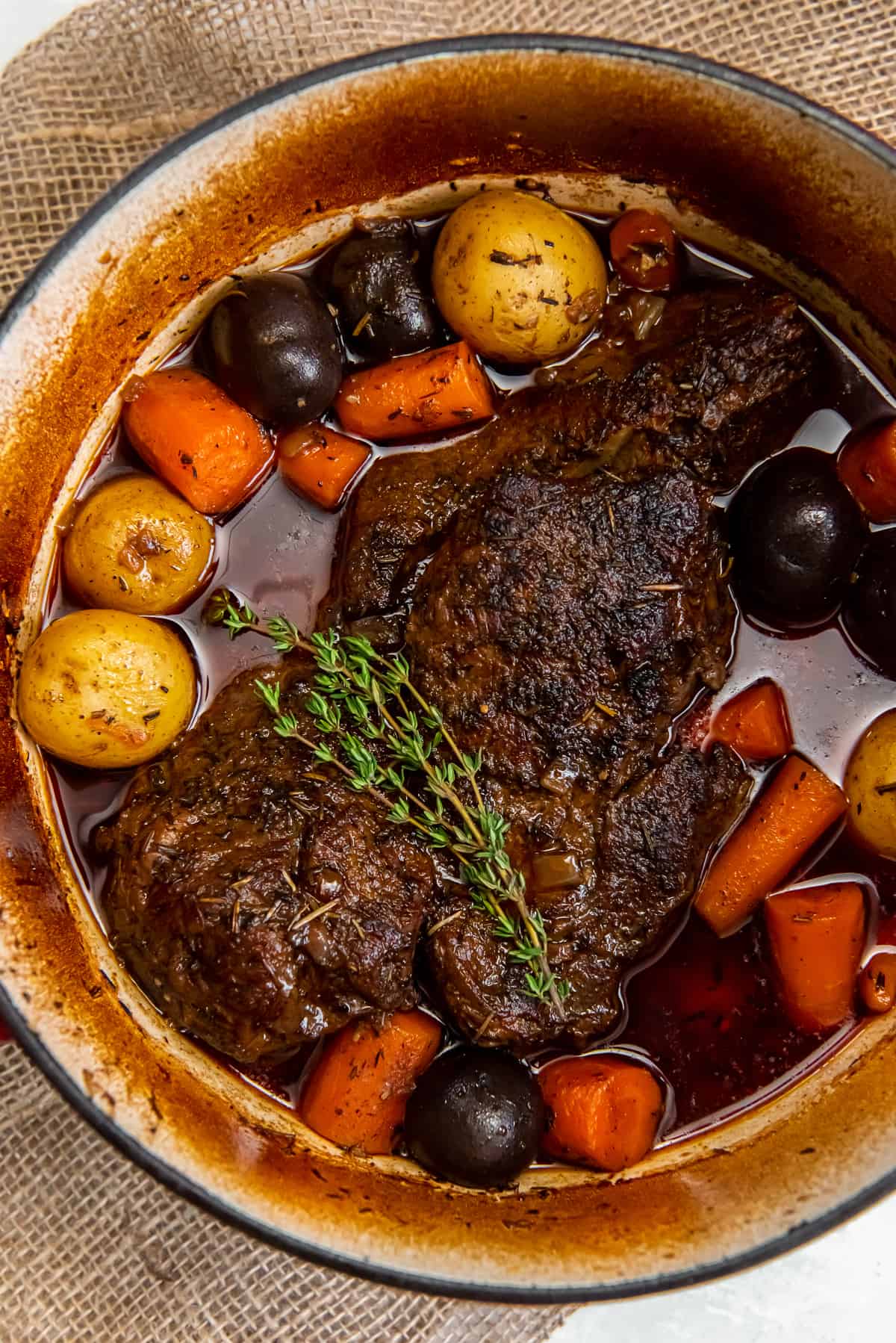
What to Cook on the Stove with a Dutch Oven
A Dutch oven shines when food needs steady heat and moisture. The lid traps steam. The base holds heat like a brick oven in miniature.
Great stovetop uses:
- Searing and braising short ribs, chuck roast, or lamb shanks
- Slow simmering beans, stews, and chili without scorching
- One-pot pasta, risotto, and hearty grains like farro
- Deep-frying chicken, fries, and doughnuts with stable oil temps
- Baking-style tasks on low, like poaching pears or making jam
From my kitchen, a 5.5-quart pot is the weeknight hero. It handles browning, then simmers smooth. If you are still unsure and think, can you use a dutch oven pot on the stove for deep-frying, you can. Use a thermometer and keep the oil between 325°F and 350°F.
:max_bytes(150000):strip_icc()/sea-dutch-ovens-crockpot-grace-kelly-502df8e08c2b463abff1751ed59467f3.jpg)
Care, Cleaning, and Common Mistakes
Long life comes from simple habits. Most problems I see come from heat shocks, scraping, or sliding.
Care tips that work:
- Cool slightly before washing. Sudden cold water on a hot pot can warp or crack enamel.
- For enamel, soak with warm water and a little soap. Use a soft scrub or nylon brush.
- For bare cast iron, avoid soap if the seasoning is new. Wipe, rinse, dry, and oil lightly.
- Store dry with the lid ajar to prevent odors or rust.
- Tighten lid knobs now and then. Many are oven safe, but check the rating.
Mistakes to avoid:
- Cranking heat to high and leaving it. It can scorch food and stain enamel.
- Sliding on glass tops. Lift instead to prevent scratches.
- Using metal tools on enamel. Chips form fast.
- Pouring cold stock into a screaming hot dry pot. Pre-warm liquids first.
If you keep reading, can you use a dutch oven pot on the stove every day, the answer is still yes. These care steps make daily use safe and easy.
Choosing the Right Dutch Oven for Stovetop Use
Not all pots feel the same in hand. Think about size, base, weight, and your stove.
What to look for:
- A flat, smooth base for even contact on the burner
- A size that fits your family. For most, 5 to 6 quarts is the sweet spot.
- Sturdy, comfortable handles. You need a safe grip with mitts.
- A lid that seals well to hold moisture
- Induction readiness if you have or may switch. Cast iron works great.
I test with water at a simmer. If bubbles stay even across the base, you have a winner. If you are comparing options and wonder, can you use a dutch oven pot on the stove with induction later, cast iron means yes by default.
Safety Notes Backed by Research and Practice
Common kitchen safety guidance and maker manuals agree on a few points. These protect your pot and your stove.
- Keep heat moderate with enamel to protect the coating.
- Avoid thermal shock to prevent cracks or warps.
- Use a thermometer when frying. Stable oil temp reduces smoke and flare-ups.
- Keep handles dry and use mitts. Cast iron holds heat for a long time.
- Check weight limits for glass tops. Many stoves list load guidance in the manual.
I follow these rules and have Dutch ovens that still look and cook like new after years. If your goal is simple and safe, and you still ask can you use a dutch oven pot on the stove for soup night, you absolutely can with these habits.
Performance by Stove Type: Quick Wins
Small tweaks make a big difference across stoves.
- Gas gives fast response. Control the flame size, not just the knob setting.
- Electric coil changes heat slowly. Make changes early and be patient.
- Glass top needs a clean base. Sugar spills can pit the glass if not wiped fast.
- Induction heats the pot, not the air. Small changes in power matter more.
If friends ask me, can you use a dutch oven pot on the stove across all these types, I tell them yes, and these are the dials to watch.
Real-World Lessons from My Kitchen
After years of testing, a few truths stand out.
- A 10-minute low preheat beats a 2-minute blast on high. Browning is deeper and clean-up is easier.
- Deglazing with warm stock saves enamel. Cold liquid once cracked a chip near my rim years ago. I never rush that step now.
- A clip-on thermometer turns a Dutch oven into a steady fryer. My oil stays in range, and food is crisp, not greasy.
If a guest asks, can you use a dutch oven pot on the stove for both searing and simmering in one go, I smile. That is its superpower.
Frequently Asked Questions of can you use a dutch oven pot on the stove
Can you use a dutch oven pot on the stove on high heat?
You can, but it is not ideal for enamel. Use medium for most cooking, and short medium-high bursts only for searing.
Will an enameled Dutch oven scratch a glass cooktop?
It can if you slide it. Lift to move, keep the base clean, and you will be fine.
Can I deep-fry on the stove in a Dutch oven?
Yes. Use a thermometer, keep oil between 325°F and 350°F, and leave a few inches of headspace.
Can a Dutch oven go from stove to oven?
Yes, most can. Check knob and lid ratings, let heat stabilize, and avoid sudden temperature changes.
Is a Dutch oven safe for induction stoves?
Yes. Cast iron is magnetic and works well. Start low, then raise power slowly.
Do I need a heat diffuser?
Not always. It helps on small burners, with glass tops, or for very low, even simmers.
Conclusion
You can cook almost anything with a Dutch oven on the stove. Start with a gentle preheat, use medium heat, and avoid sudden shocks. Keep the base clean, lift on glass tops, and stir now and then.
Try one new stovetop dish this week. Brown, simmer, and serve from the same pot. If this guide helped, share it with a friend, subscribe for more kitchen how-tos, or drop a question in the comments.