Can Propane Tanks Freeze And Explode
Many people worry about using propane tanks in cold weather or during the winter. You might wonder: can propane tanks actually freeze and explode? The simple answer is that propane tanks do not explode from freezing, but extreme cold can affect how they work. Explosions from propane tanks are very rare and usually caused by other factors, not just low temperatures. However, there are important safety facts you need to know about how propane reacts to cold and what really causes explosions. Let’s clear up the confusion and help you use propane safely all year round.
Can Propane Tanks Freeze?
Propane itself does not freeze in the way water does. The freezing point of propane is -306°F (-188°C), which is much colder than any natural winter temperature on Earth. This means that under normal conditions, the propane inside your tank will never turn solid or freeze.
However, the propane can become so cold that it loses pressure. Propane inside a tank is stored as a liquid. As the temperature drops, the pressure in the tank drops too. At about -44°F (-42°C), propane will not turn into gas, so your tank won’t release any usable propane.
This rarely happens in most places, but it’s possible in extreme climates. When this occurs, it might seem like your tank is “frozen,” but the propane is just too cold to vaporize.
Why Do Propane Tanks Get Frosty?
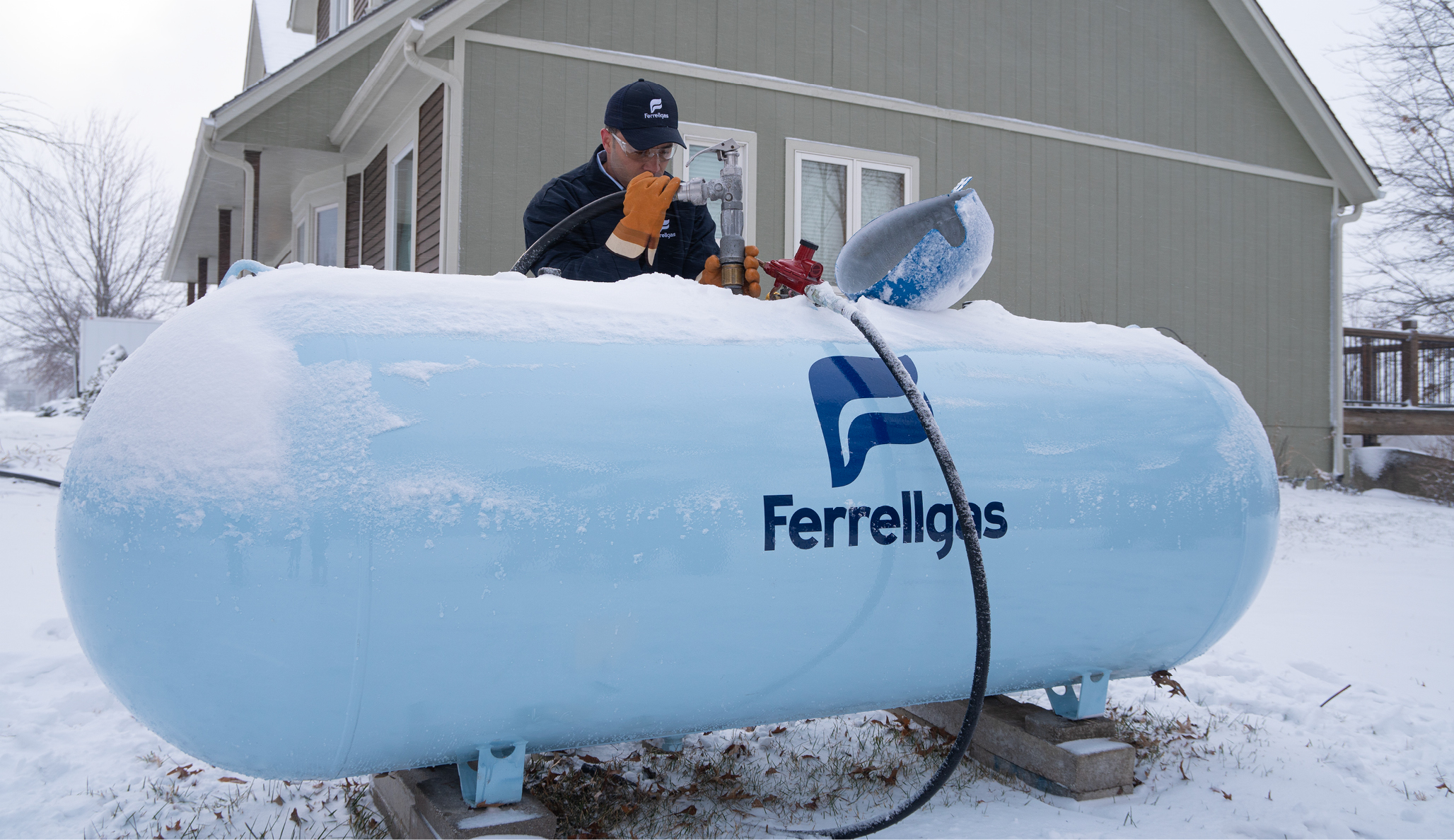
Sometimes you see frost or ice on the outside of a propane tank, especially around the valve or regulator. This happens when the tank is working hard, such as during heavy use or a sudden release of propane. As propane turns from liquid to gas, it absorbs heat from the metal tank and the air around it. This cooling effect can cause moisture in the air to freeze on the tank’s surface. This is normal and usually not dangerous, but it can be a sign that you’re using propane faster than the tank can supply.
Can Propane Tanks Explode?
The risk of a propane tank explosion is extremely low if the tank is in good condition and used properly. Propane tanks are built to be very strong and have several safety features. Freezing temperatures do not cause propane tanks to explode.
Explosions, also called BLEVE (Boiling Liquid Expanding Vapor Explosion), usually only happen if:
- The tank is exposed to direct fire or extremely high temperatures (over 120°F/49°C).
- The tank’s pressure relief valve fails.
- There is physical damage to the tank or major leaks near an ignition source.
In normal cold weather, even with frost on the outside, propane tanks will not explode. The real danger comes from heat, not cold.
What Causes Propane Tank Explosions?
Here are the main reasons why a propane tank might explode:
- Fire Exposure: If the tank is in a fire, the metal can heat up, pressure builds, and if the relief valve does not work, the tank can rupture.
- Overfilling: If a tank is overfilled and the propane inside expands (for example, on a warm day), there may not be enough space for the liquid to expand safely. This can lead to leaks or, rarely, explosions.
- Severe Damage: Dropping, crushing, or puncturing a tank can cause it to fail.
- Valve Malfunction: If the safety valve sticks or fails, pressure can build up beyond safe limits.
- Improper Storage: Storing tanks near heat sources or in direct sunlight can create unsafe pressure inside.
What Happens To Propane In Cold Weather?
When temperatures drop, propane contracts and tank pressure falls. This can lead to:
- Lower pressure: Appliances may not work as well.
- Reduced vaporization: Less propane turns to gas, so heaters or stoves may underperform.
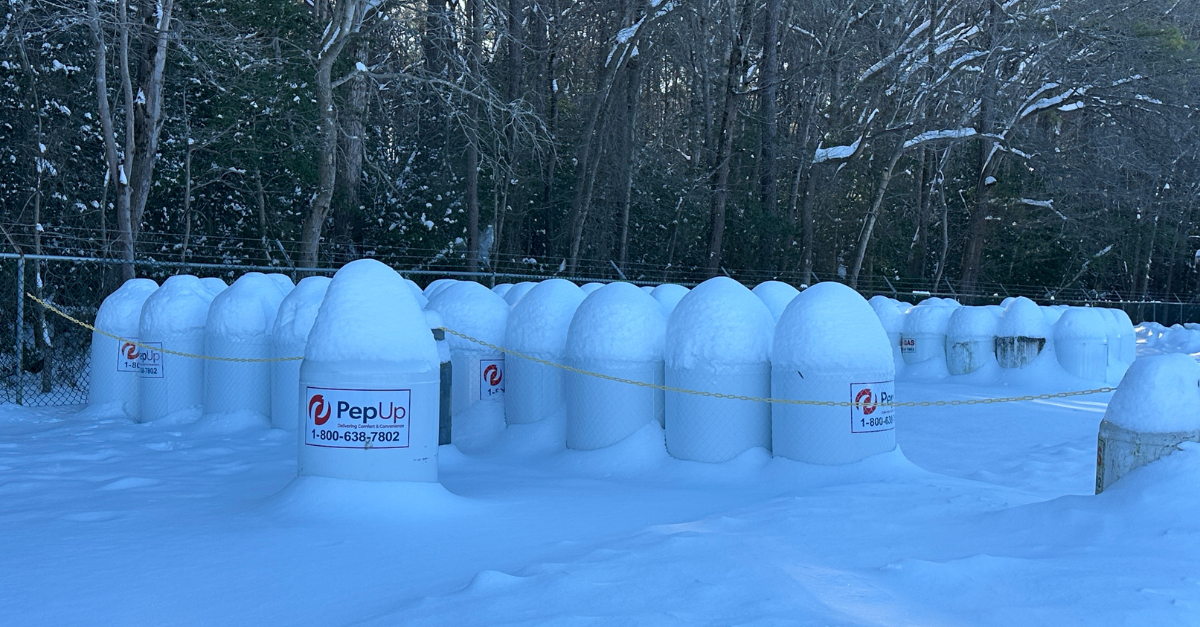
- Frost buildup: Heavier use draws more propane, which can cool the tank and cause ice or frost to form outside.
You may notice your propane appliances running weaker in very cold weather. This isn’t because the propane is frozen, but because there isn’t enough pressure in the tank to push the gas out quickly.
| Outside Temperature (°F) | Propane Tank Pressure (psi) | Appliance Performance |
|---|---|---|
| 70 | 124 | Normal |
| 32 | 70 | Good |
| 0 | 25 | Weaker |
| -20 | 5 | Very weak/May not work |
As you see, the colder it gets, the less pressure inside the tank. This can affect your grill, heater, or any appliance that runs on propane.
How To Safely Use Propane Tanks In Winter
Using propane in cold weather is safe if you follow some simple rules:
- Keep Tanks Full: The more propane in the tank, the more pressure, and the better your appliances will work.
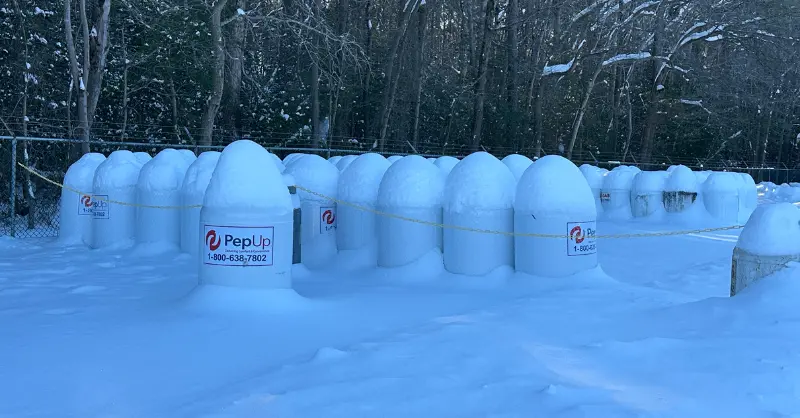
- Store Above Ground: Place tanks on a raised surface, not directly on snow or ice. Cold ground can make tanks even colder.
- Protect from Snow/Ice: Keep the tank clear of heavy snow or ice buildup. This helps with ventilation and access.
- Check Regulators and Valves: Make sure these are not blocked by ice. Regulators need to breathe to work properly.
- Keep Out of Sunlight: In summer, direct sunlight can overheat tanks. In winter, it’s fine, but don’t let tanks get buried or hidden where you cannot inspect them.
- Never Use Open Flames to Heat Tanks: If a tank gets too cold, do not try to warm it up with fire or a torch. This is very dangerous.
Common Mistakes To Avoid
- Bringing Tanks Indoors: Never bring large propane tanks inside your home, garage, or basement. Propane is heavier than air and can collect, causing a fire risk.
- Blocking Relief Valves: Don’t cover the top of the tank with plastic or other covers that block vents or valves.
- Improper Refilling: Only fill tanks to 80% of their capacity to leave room for expansion.
What To Do If You Suspect A Problem
If you see any of these warning signs, take action right away:
- Strong propane smell: Get everyone away and call emergency services.
- Hissing sound: This can mean a leak; leave the area and get help.
- Ice on regulator or valve: Check for leaks but do not touch if you smell gas.
Never try to repair a damaged tank yourself. Only trained professionals should handle propane tank repairs or replacements.
Propane Tank Safety Features
Modern propane tanks come with safety features to prevent explosions:
- Pressure Relief Valve: Releases extra pressure safely if it gets too high.
- Overfill Prevention Device (OPD): Stops tanks from being overfilled.
- Thick Steel Walls: Make tanks very hard to puncture or break.
- Color Coding: Most tanks are painted light colors to reflect heat, not absorb it.
If you follow guidelines and use modern tanks, the risk of explosion is extremely low.
Real-life Examples And Statistics
Accidents involving propane tanks are rare. According to the National Fire Protection Association, less than 1% of home fires are caused by propane tanks. Most problems come from human error, like using tanks incorrectly or storing them too close to heat.
For example, during a 2016 cold wave in the U. S. , many people used propane tanks for heating. There were very few reports of tanks freezing or failing. Most calls to fire departments were related to leaks from old hoses or indoor use, not from cold temperatures.
Propane Vs. Other Fuels In Cold Weather
Propane is actually safer in cold weather than many liquid fuels like gasoline or diesel. Gasoline can freeze and become unusable at -40°F (-40°C). Diesel starts to gel and clog filters at about 15°F (-9°C). By comparison, propane stays usable in even lower temperatures.
| Fuel Type | Freezing Point (°F) | Winter Performance |
|---|---|---|
| Propane | -306 | Excellent |
| Gasoline | -40 | Fair |
| Diesel | 15 (gels) | Poor |
| Natural Gas | -297 | Excellent (pipeline only) |
This is why propane is popular for home heating, cooking, and generators in cold climates.
Extra Safety Insights Beginners Miss
- Tank Orientation Matters: Always keep tanks upright. Propane is stored as a liquid, and using a tank sideways can send liquid to your appliance, causing flare-ups or damage.
- Don’t Paint Tanks Dark Colors: Some people paint tanks to match their house, but dark paint absorbs heat, increasing pressure inside the tank. Stick to white or silver.
- Old Tanks Can Be Dangerous: Tanks over 12 years old may need inspection or replacement. Rust and weakened valves are more common in older tanks.
What To Do In Extreme Cold
If you live in a place where temperatures regularly drop below -40°F (-40°C), consider these extra tips:
- Use larger tanks: They hold more propane and retain pressure better.
- Move tanks to a sheltered area, but never inside the home.
- Warm the tank area with indirect heat (like a heated shed, but never with open flames).
- Call your propane supplier for advice; they may offer special tanks or solutions.
Additional Resources
For more detailed information on propane tank safety, you can visit the National Fire Protection Association.
Frequently Asked Questions
Can A Propane Tank Explode In Cold Weather?
No, cold weather does not cause propane tanks to explode. Explosions are very rare and usually only happen if a tank is exposed to fire, is overfilled, or is severely damaged.
What Temperature Is Too Cold For Propane To Work?
Propane stops turning to gas below -44°F (-42°C). Most places never get this cold, but at low temperatures, propane pressure drops, and appliances may not work as well.
Why Does My Propane Tank Have Ice On It?
Ice or frost forms when propane is used quickly, cooling the tank’s surface. This is normal and not usually dangerous unless you see leaks or smell gas.
Is It Safe To Store Propane Tanks Outside In Winter?
Yes, it is safe to store tanks outside in winter. Keep tanks above ground, away from direct contact with snow, and never bring large tanks indoors.
How Can I Tell If My Propane Tank Is Leaking?
A strong rotten egg smell means a leak. If you hear hissing or see frost on the valve and smell gas, leave the area and call for help immediately.
Propane tanks are safe in winter if you follow simple safety tips. Understanding how propane works in the cold helps you stay warm and safe, no matter the weather.