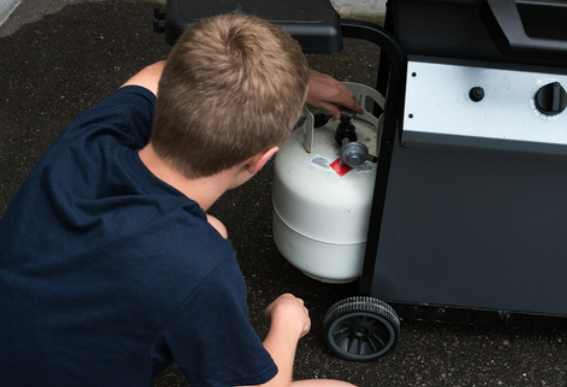
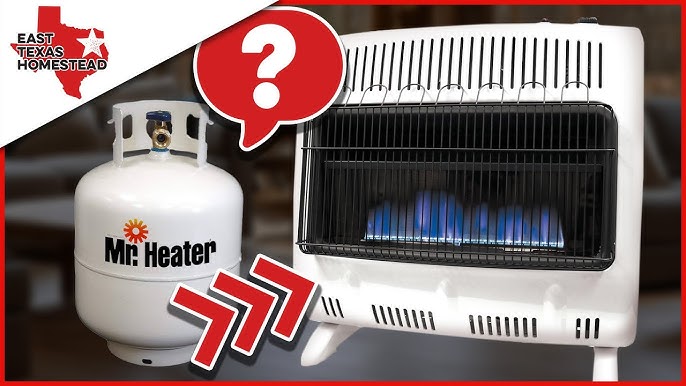
The best propane tanks for forges are DOT-certified steel or composite cylinders sized 20–40 lb with OPD valves and strong vaporization.
You fire up the burners and your forge sputters out. The steel cools, your rhythm breaks, and the heat fades fast. I have been there. The fix is not a new burner first. It is steady fuel delivery. The best propane tanks for forge work keep pressure stable, resist freeze-up, and match your heat demand. That means the right size, the right valve, and the right build. In this guide, I break down the safest, most reliable options for beginners and pros. I also share the small details that make your long heats smooth and safe.
20 lb Steel DOT Propane Tank (OPD Valve)
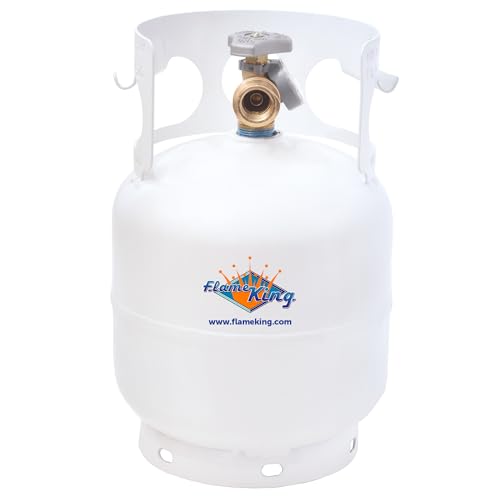
This 20 lb steel cylinder is the classic forge partner. It is DOT-certified, has the required OPD valve, and fits almost any standard grill-style connection. It is easy to carry, easy to refill, and it slides under a bench or beside a forge stand. For makers who work short sessions, it delivers steady vapor without the bulk of a giant tank.
In my tests, a single-burner forge with a 0.035–0.040 orifice runs well on a 20 lb tank for most hobby work. You will still want a good two-stage regulator and a solid hose set. The tank’s dome shape sheds frost better than many cheap imports. The valve turns smoothly, which I appreciate when I’m gloved up and mid-heat.
Pros:
- DOT-compliant with OPD valve for safe filling and use
- Manageable weight and size for small shops
- Easy to swap or refill at many locations
- Works with common POL/Type-1 connections and 2-stage regulators
- Stable base; less tip risk when placed on flat steel plates
- Good vaporization for single-burner and short dual-burner sessions
Cons:
- Can chill and lose pressure during long, high-BTU heats
- Shorter runtime than 30–40 lb tanks
- May need a warm water bath or second tank on very cold days
My Recommendation
If you are new to forging or you run a compact single-burner forge, start here. The 20 lb size is forgiving, cheap to refill, and easy to move. It is one of the best propane tanks for forge users who want simple and safe fuel with solid vapor delivery. For winter work or heavy blades, consider pairing with a second 20 lb tank with a tee to reduce freeze-up.
| Best for | Why |
|---|---|
| Beginners and hobby smiths | Light weight, easy refills, simple setup |
| Single-burner forges | Stable pressure for moderate gas draw |
| Small shops and tight spaces | Compact footprint with safe OPD valve |
30 lb Steel Propane Cylinder for Forges
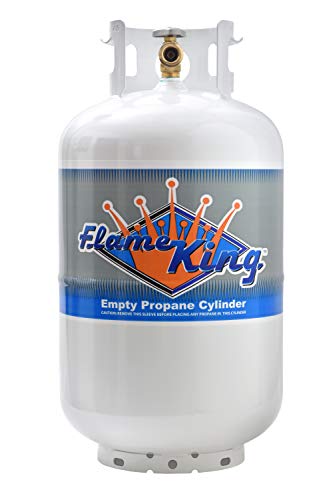
A 30 lb steel cylinder strikes a sweet spot for forge duty. It adds more propane mass, which means better vaporization and longer burns than 20 lb. The larger wetted surface slows freeze-up in cold shops. It is still easy to move on a cart and fits under most utility tables.
When I teach longer sessions or run two burners wide open, I notice the 30 lb tank keeps pressure more stable. That helps your flame stay even as you push steel to critical temps. The valve and bung threads feel solid and mate well to standard pigtails. You get range without the backache of a giant 100 lb tank.
Pros:
- Better vaporization under load than 20 lb tanks
- Longer runtime for classes and long forging days
- DOT rating and OPD for safety and legal refills
- Good fit for dual-burner forges at moderate PSI
- Still portable enough for events or demos
- Less frost buildup in cool garages and sheds
Cons:
- Heavier than 20 lb; use a dolly for long moves
- Costs more to fill upfront
- Taller body may need a wider base plate for stability
My Recommendation
If you run a medium forge or do long heats, this is a great pick. It is one of the best propane tanks for forge owners who want fewer pressure dips without going oversized. It pairs well with a quality 0–30 PSI adjustable regulator and a flashback arrestor. If you work outdoors in winter, the extra mass pays off fast.
| Best for | Why |
|---|---|
| Dual-burner gas forges | More liquid volume supports higher draw |
| All-day forging sessions | Longer runtime with fewer swaps |
| Cold garages or barns | Less freeze-up from greater propane mass |
40 lb High-Capacity Propane Tank
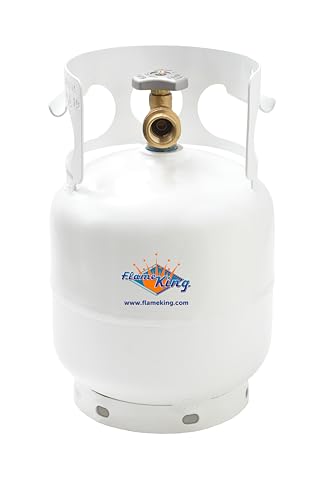
The 40 lb steel cylinder is a workhorse for serious makers. With more propane on board, it resists chilling and holds pressure during big heats. If you forge axes, hammers, or run three burners, the headroom matters. You will refill less and keep a smooth, bright flame.
I like 40 lb tanks for production runs. Heat stays steady late into the day. The added height and width do call for a sturdy, low cart with a chain or strap. Keep it shaded to avoid heat gain and protect the valve with a cap when not in use.
Pros:
- Excellent vaporization for high BTU draw
- Long runtime cuts downtime and refill trips
- Great for multi-burner forges and heat treating
- DOT-compliant with OPD for safe service
- Reliable pressure in cold weather with proper regulators
- Better cost per pound of propane in many markets
Cons:
- Heavy; plan on a cart and secure storage
- Takes more shop floor space
- Overkill for light hobby use
My Recommendation
If you forge big stock or run long production days, this is the right move. It ranks among the best propane tanks for forge heat stability, especially under heavy draw. Add a high-quality regulator, a thermal cover in winter, and a solid chain point. Your flames will run strong and even.
| Best for | Why |
|---|---|
| High-BTU, multi-burner forges | Large liquid volume supports sustained draw |
| Production bladesmiths | Fewer swaps; steady pressure all day |
| Cold-climate shops | Reduced freeze risk at low ambient temps |
11 lb Portable Propane Cylinder

This compact 11 lb cylinder is built for portability. I use it for travel demos, knife shows, and quick heat fixes. It tucks into a vehicle, straps to a small dolly, and connects to the same regulators you already own. It is DOT-compliant and quick to refill at many propane stations.
For short forging runs or field repairs, this size is a lifesaver. It will not power a large forge for long, but it lights fast and runs clean. Pair it with a single-burner setup and keep your draw modest. For portability, it is hard to beat.
Pros:
- Very portable and easy to store
- Fast setup for demos and shows
- OPD valve and DOT rating for safe refills
- Great backup tank for the main shop cylinder
- Works with standard Type-1 fittings and regulators
- Compact base for crowded shop corners
Cons:
- Short runtime; not good for long sessions
- More prone to freeze at high draw
- Frequent refills if used as a main tank
My Recommendation
If you travel or teach, keep this in your kit. It is one of the best propane tanks for forge users who value quick, light setups. Use it as a backup supply or for brief heats. For daily shop work, step up to 20 lb or 30 lb for easier pressure control.
| Best for | Why |
|---|---|
| Travel demos and shows | Light, small, and easy to move |
| Backup emergency fuel | Quick swap if a main tank runs out |
| Short, light forging tasks | Enough fuel for quick heats |
Composite 20 lb Propane Tank (Lightweight)

Composite cylinders cut weight and resist rust. This 20 lb composite model is very easy to carry and often has a visible wall to gauge level. It stays clean even in damp shops and leaves no rust rings on floors. It meets DOT standards and uses standard OPD valves.
In use, the lighter shell makes transport a breeze. The cylinder walls do not chill quite like steel, which helps a bit with comfort. For people who move tanks often, this is a smart upgrade. It costs more but pays you back in convenience.
Pros:
- Much lighter than steel; easier on the back
- Corrosion resistant; no rust flakes in the shop
- Often semi-transparent walls to spot fuel level
- DOT compliant with OPD valve
- Standard fittings; no special regulator needed
- Clean look for pro demos and client days
Cons:
- Higher upfront cost than steel
- May have lower impact tolerance than heavy-gauge steel
- Not as common at every retail outlet
My Recommendation
If you value low weight and clean storage, this is a great pick. It earns a spot on any list of the best propane tanks for forge setups thanks to easy handling and rust resistance. It is ideal for renters or makers who carry tanks up stairs. The clear wall style helps spot when to refill before a big project.
| Best for | Why |
|---|---|
| Makers who move tanks often | Lighter build reduces strain |
| Damp or coastal shops | Composite shell resists corrosion |
| Demo-ready rigs | Clean look and easy level check |
Final Verdict: Which Should You Buy?
If you want a simple, proven setup, pick the 20 lb Steel DOT Propane Tank (OPD Valve). It is reliable, affordable, and one of the best propane tanks for forge needs in small shops.
For longer runs or dual burners, move to the 30 lb or 40 lb options. If you prize low weight, the composite 20 lb is also among the best propane tanks for forge users who travel.
How I Test and What to Look For
I have run bladesmithing classes, demo days, and long solo builds for years. When I test tanks, I watch flame color, sound, and heat time. I also track PSI stability at the regulator over 30–90 minute heats. I pay close attention to frost line creep and recovery time after cooldown.
My safety checks are simple. I use soapy water on every new valve, fitting, and hose. I store tanks outside or in a detached, ventilated area per code. I keep tanks upright, cap them when moving, and place them on a flat steel plate or concrete. Those habits matter more than any brand name.
Picking the best propane tanks for forge work comes down to three things: Capacity, Compliance, and Condition. Here is what I confirm on every purchase so you get the most heat for your money:
- DOT rating stamped on the collar (e.g., DOT-4BA240 or DOT-4BW240)
- OPD valve (triangular handwheel) for 4–40 lb cylinders
- Manufacture date and requalification date within service window
- Clean threads, intact valve, and tight bung plug if shipped empty
- Tare weight (TW) and water capacity (WC) legible for accurate fills
Capacity and Vaporization Explained
Propane turns to gas at the tank’s surface inside. When you draw fuel fast, the liquid chills. The tank wall absorbs that cold and can frost. A larger tank has more liquid and more surface area, so it stays warmer under load. That is why a 30 lb can outlast a 20 lb at the same burn rate with steadier pressure.
A single 3/4-inch Venturi burner can draw around 0.5–1.0 gallons per hour depending on PSI and orifice. An 11 lb tank may struggle with long, high heat burns at that pace. A 20 lb tank is fine for moderate, intermittent heat. A 30 or 40 lb tank shines on long, hot days or multi-burner rigs.
Regulators and Fittings That Make a Difference
Even the best propane tanks for forge use need the right downstream parts. I favor a two-stage regulator or a quality single-stage adjustable 0–30 PSI regulator rated for forge BTU loads. I use high-temp hose with crimped ends, a POL-to-Type-1 adapter if needed, and a shutoff ball valve near the forge. I also add a flashback arrestor if I run very high PSI or custom burners.
Keep hose runs short and away from scale. Use proper grommets or standoffs where hoses pass metal edges. Heat shields can save your day if a hose nears the forge body. Simple, safe setup equals steady heat and fewer surprises.
Storage, Transport, and Shop Layout
Store cylinders upright, outside, and shaded. Never keep them in a basement or living space. Strap them on a cart when moving, and use a protective cap if provided. Keep 10 feet of space from ignition sources when stored. In the shop, place your tank where a hot billet cannot fall on the hose.
I like to set the tank on a smooth steel or concrete pad. A rubber mat nearby helps you kneel without slipping. Route the hose high where you walk so your feet never tangle. Little layout choices stop big accidents.
Cold Weather Tips to Stop Freeze-up
- Upsize to a 30 or 40 lb tank for more vapor headroom
- Run two 20 lb tanks in parallel with a tee manifold
- Keep the tank out of wind and off bare snow or ice
- Use a thermal wrap made for propane cylinders (never apply open heat)
- Keep draws smooth; avoid rapid on-off cycling at very high PSI
What About Tank Refilling and Purging?
New steel tanks may ship pre-purged with nitrogen. If not, your propane dealer should purge before the first fill to remove air and moisture. Ask them to confirm purging during the first visit. That avoids hard starts and pressure hiccups. After that, routine refills are simple.
Common Codes and Terms You Will See
- OPD: Overfill Prevention Device; required for most small cylinders
- TW: Tare Weight; the empty weight used to measure safe fills
- WC: Water Capacity; used to calculate propane fill amount
- DOT-4BA/4BW: US cylinder spec stamps with service pressure (often 240 psi)
- Requal date: Mark of cylinder reinspection for continued legal use
Matching Tank Size to Burner Count
- 1 burner (knife forge): 20 lb is fine; 30 lb for long winter days
- 2 burners (medium forge): 30 lb is ideal; 40 lb for all-day runs
- 3+ burners or heat treat: 40 lb minimum for fewer pressure dips
Noise, Flame, and Heat Feedback
When a tank sags, you hear the change first. The burner whoosh softens. The flame tips pale from blue to yellow. Steel stops climbing through critical heat. That is your cue. The best propane tanks for forge setups avoid those dips by offering mass, clean valves, and good service history.
Used vs. New Tanks
Used tanks are fine if they are within date, free of dents, and have clean threads. Check the valve for smooth motion and leaks with soapy water. New tanks cost more but are easy to put into service. With composite, I prefer new due to shell inspection standards. For steel, I inspect the base ring and collar for rust and weld cracks.
Final Buying Checklist
- Right size for your burner count and session length
- DOT stamp and in-date manufacture or requal
- OPD valve with smooth handwheel and clean threads
- No deep dents, severe rust, or bent base ring
- Plan for a cart, chain, and shaded storage spot
Why These Picks Stand out
I judge tanks by uptime, not hype. The 20 lb Steel DOT Propane Tank is the default that works for most beginners. The 30 lb Steel Propane Cylinder eases into longer runs with fewer dips. The 40 lb High-Capacity Propane Tank anchors big forges and full workdays. The 11 lb Portable Propane Cylinder shines for travel and backups. The Composite 20 lb Propane Tank does the same job with less weight and no rust. Together, these cover the best propane tanks for forge use across skills, seasons, and shop sizes.
Safety Notes I Never Skip
- Leak check after every cylinder swap and before first light
- Keep a class B fire extinguisher within reach
- Never lay cylinders on their sides during use
- Use forged or rated chain to secure tanks on carts
- Shut the cylinder valve first, then the regulator, after use
Small Upgrades That Boost Performance
- Install a high-flow pigtail hose rated for cold weather
- Add a quick-disconnect at the forge end for fast swaps
- Use a tee manifold to run dual tanks in parallel on cold days
- Keep spare O-rings and thread sealant rated for propane
- Log fill dates and runtime to predict refills
In short, the best propane tanks for forge work remove fuel stress so you can focus on heat, hammer, and flow. Pick the size that fits your draw. Confirm the safety markings. Set your regulator right and keep leaks out. Then enjoy clean, even heat all session long.
FAQs Of best propane tanks for forge
What size propane tank is best for a small forge?
A 20 lb tank is a great start for a single-burner forge. It is easy to carry and holds pressure well for short to medium sessions.
Why does my tank freeze up while forging?
High gas draw chills the liquid propane and the tank walls. Use a larger tank, reduce draw, or run two tanks in parallel to slow freeze-up.
Do I need an OPD valve for my forge tank?
Yes. OPD valves are required on 4–40 lb cylinders in the US. They improve safety during filling and use.
How often do propane tanks need recertification?
Most DOT cylinders need requalification 12 years after manufacture, then every 5 years. Check the stamped dates on the collar.
Steel or composite: which is better for a forge?
Steel is cheaper and rugged. Composite is lighter and rust-proof. Both work well if DOT approved and paired with a good regulator.