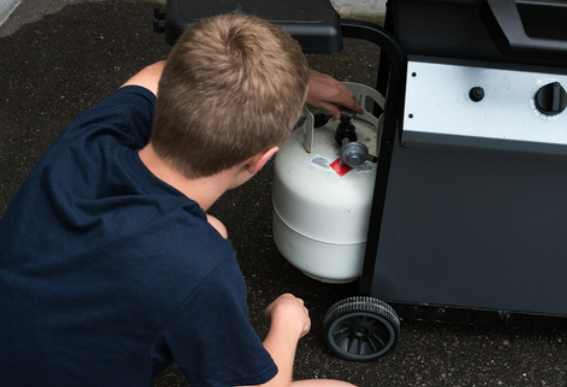
How long do propane tanks last? Portable cylinders last 12 years; large ASME tanks decades.
If you’ve ever paused mid-grill or during a cold snap and wondered how long do propane tanks last, this guide is for you. I’ve worked with homeowners, contractors, and propane suppliers for years, and I’ll break down lifespan by tank type, share real-world tips to extend life, and show you when to repair, recertify, or replace—so you can use propane with confidence and without surprises.
How long do propane tanks last?
Here’s the clear answer many folks need fast:
- DOT portable cylinders (like 20 lb grill tanks) are good for 12 years from the manufacture date. After that, they must be requalified to keep using them.
- ASME stationary tanks (like 120–1,000 gallon home tanks) do not have a fixed expiration date. With proper maintenance and inspections, they often last 20 to 40 years or more.
Why the difference? Portable cylinders go through more handling, transport, and wear. Stationary tanks are heavier steel, stationary, and protected by coatings and cathodic protection.
In short, when people ask how long do propane tanks last, the answer depends on tank type, care, and inspection history.

Best 20 Lb Propane Tanks: Tested 5 Tanks That Actually Tell You When They’re Low
Factors that affect a propane tank’s lifespan
Several variables decide how long do propane tanks last in the real world:
- Environment: Salt air, road salt, and damp storage cause faster corrosion.
- Physical damage: Dents, gouges, deep rust, and bent foot rings or collars shorten life.
- Protective coatings: Good paint or powder coat slows rust. Underground tanks with anode bags resist corrosion better.
- Valve condition: Worn valves leak and can prompt earlier retirement.
- Usage pattern: Frequent transport, jostling, and drops weaken cylinders.
From experience, the tanks I see fail early usually lived in harsh coastal air or sat on wet ground. A dry, shaded, upright spot buys years of extra service.
Recertification, codes, and what they mean
Understanding rules helps you plan ahead and stay safe:
- DOT cylinders: Requalification is due 12 years after the manufacture date. After that, visual inspections typically extend service in 5-year increments. Other test methods can extend longer intervals. A trained technician must perform this.
- ASME stationary tanks: No set expiration, but they require periodic inspections for corrosion, leaks, and regulator health per industry codes and local rules.
- OPD valves: Most 4–40 lb cylinders must have an Overfill Prevention Device. The triangle-shaped handwheel is a quick tell.
These rules come from national safety codes and transport regulations that propane pros follow every day. If you wonder how long do propane tanks last under these rules, the answer is: as long as they keep passing inspections and remain structurally sound.
Propane shelf life vs tank life
A key point many homeowners miss: propane itself does not “go bad.” It has an almost indefinite shelf life when stored in a sealed, sound tank. This is not like gasoline.
Tank life is different. Steel can rust. Valves can wear. So, when people ask how long do propane tanks last, remember we’re talking about the container’s structural lifespan, not the fuel’s quality.
How to read dates and markings on your tank
A quick check can save a wasted trip for a refill:
- Find the collar stamp on DOT cylinders (the metal ring near the valve).
- MFG date: Shown as month-year, like 06-18 for June 2018. Add 12 years to find the requalification deadline.
- Requalification marks: Stamps near the collar show the method and next due date.
- TW: Tare weight (empty weight) helps you know how much propane is left by weighing the tank.
If you’re unsure, bring the cylinder to a propane dealer. They can confirm dates in seconds. I keep a photo of my tank’s collar on my phone so I don’t forget. It’s a simple trick that prevents mid-BBQ surprises.
5 Best Propane Tanks For Forge: 2026 Buyer’s Guide

Care, storage, and maintenance to extend life
Smart habits can add years:
- Store outdoors, upright, and on a dry, stable surface.
- Keep out of direct sun and away from heat. Aim to avoid temperatures above 120°F.
- Check for rust, dents, or valve leaks. A light soap-water spray reveals bubbles if there’s a leak.
- Keep protective caps on during transport. Secure tanks in vehicles and never lay them on their side.
- For stationary tanks, maintain paint, check regulators, and ensure proper clearances. For underground tanks, verify cathodic protection.
These steps don’t just extend how long do propane tanks last; they also improve safety and reliability every single day.

When to replace a propane tank
Don’t gamble with safety. Replace your tank if you see:
- Deep or spreading rust, pitting, or metal loss
- Large dents, bent collars, or damaged foot rings
- Valve leaks, stripped threads, or lingering “rotten egg” odor after shutdown
- Failed inspection or expired requalification with no legal path to recertify
If you ask a pro how long do propane tanks last when they have visible damage, they’ll tell you: not long. Swap it out. Peace of mind is worth the cost.
Costs, sustainability, and practical choices
Let’s talk real-world decisions:
- Exchange vs refill: Exchanges are fast but often cost more per gallon. Refills are cheaper and you keep a known-good cylinder with a traceable date.
- Recertification cost: Usually modest compared to buying new. If your tank is in good shape, recertifying every five years is a smart move.
- Sustainability: Extending safe service life through maintenance and recertification reduces waste. Damaged tanks should be recycled through a propane dealer or local program—not the curb.
How long do propane tanks last also hinges on the choices you make. Care and recertification are green for your wallet and the planet.
How long does a propane tank last in use?
People often mean “runtime” when they ask how long do propane tanks last. Here’s a quick way to estimate:
- A 20 lb tank holds about 4.7 gallons. Each gallon is around 91,500 BTU. That’s roughly 430,000 BTU total.
- Runtime equals total BTU divided by your appliance’s BTU per hour.
Examples:
- A 40,000 BTU patio heater runs about 10–11 hours on a full 20 lb tank.
- A 30,000 BTU RV furnace runs about 14 hours on a 20 lb tank, assuming steady burn.
- A 12,000 BTU grill burner at medium heat can run about 35 hours.
Real life varies with wind, temperature, and appliance efficiency. When friends ask me how long do propane tanks last for weekend grilling, I suggest keeping a backup tank so fun doesn’t hinge on math.
Personal lessons learned from the field
A few tips I share with homeowners and RVers:
- Keep tanks off bare soil. I use a simple plastic pad to prevent rust from the bottom up.
- Check the collar date before swapping. I once traded a newer tank for an older one at an exchange station—lesson learned.
- Photograph tank markings after each refill or requalification. It’s a tidy history.
- Ask your propane dealer to check valves and O-rings. A five-minute check can prevent leaks.
These small habits add up and truly affect how long do propane tanks last before you need to retire or recertify them.
Frequently Asked Questions of how long do propane tanks last
How long do propane tanks last before they expire?
DOT portable cylinders are valid for 12 years from their manufacture date. After that, they need requalification, often in 5-year intervals.
Do propane tanks rust out from the inside?
Not usually. Corrosion typically starts on the outside from moisture, salt, or damage to the paint.
Can propane go bad if the tank sits for years?
Propane itself does not go bad. If the tank is sound and sealed, the fuel remains usable.
How often should a stationary home tank be inspected?
Have it checked at least annually by your propane supplier. They’ll look at regulators, fittings, corrosion, and clearances.
Is it better to exchange or refill a grill tank?
Refilling is usually cheaper and lets you keep a newer tank you trust. Exchanges are convenient but can give you an older cylinder.
Conclusion
Understanding how long do propane tanks last helps you plan fuel, budget smarter, and stay safe. Remember the basics: 12 years for portable cylinders before requalification, decades for stationary tanks with proper care, and propane itself has an almost endless shelf life. Good storage, routine checks, and smart refills or recertifications will keep your setup running without drama.
Take the next step: check your tank’s collar date today, set a reminder for requalification, and share this guide with a friend who grills every weekend. Want more practical home energy tips? Subscribe and drop your questions in the comments—I’m here to help.