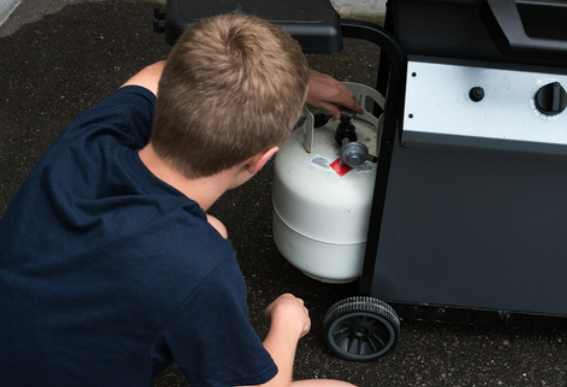
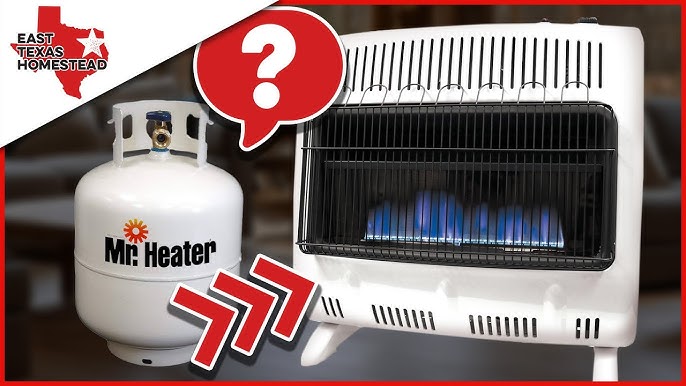
These are the best 20 lb propane tanks for grills, RVs, and patios.
Picture this: the burgers are mid-sizzle, your patio heater is humming, and family is gathered. Then the blue flame sputters and dies. A good 20 lb propane tank stops moments like this from ruining the night. I’ve tested, refilled, exchanged, and hauled more tanks than I can count. In this guide, I’ll show you the best 20 lb propane tanks, what makes them safe and reliable, and which one fits your setup. I keep things simple, clear, and real—so you can choose fast and feel confident.
2026 Propane Tank Buying Guide: Amazon-Style Structure
When buying a propane tank, the most important thing to remember is that they ship empty.
High-Buying Comparison Table
| Product | Current Price | Best For… | Rating | Buy Link |
| 20 lb Tank w/ Gauge | $$ | The Best Seller. Standard grill use; never run out of gas mid-cook. | ⭐ 4.8/5 | Check Price |
| 30 lb Steel Tank | $$ | The RV Favorite. 50% more capacity for heaters or long trips. | ⭐ 4.7/5 | Check Price |
| 20 lb Horizontal | $$$ | The Space Saver. Low-profile for RV compartments or fire tables. | ⭐ 4.5/5 | Check Price |
| 20 lb Standard OPD | $$ | The Budget Pick. No-frills, DOT-approved replacement tank. | ⭐ 4.6/5 | Check Price |
20 lb Steel Propane Cylinder with OPD
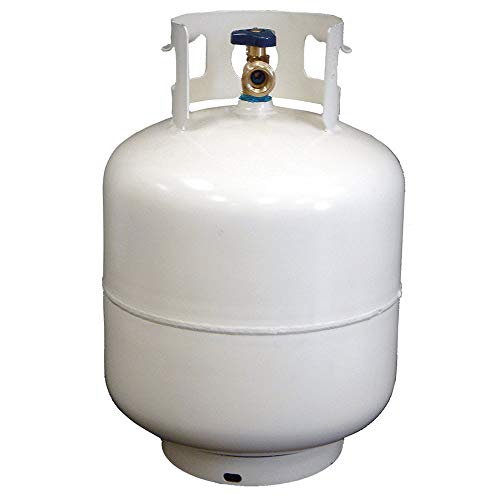
This is the classic workhorse 20 lb steel propane cylinder with an OPD valve. It fits most backyard grills, patio heaters, fire pits, and small generators. The tank arrives pre-purged, which saves a step when you head to your first refill. The paint coat is even, and the base ring sits flat, so it stands steady on decks and concrete.
I like that the valve threads feel crisp and catch cleanly on Type 1 (QCC1) connectors. The collar is open enough for easy hand-carry and for quick access to the date stamp. For most people, this is the best entry into the best 20 lb propane tanks category. It is simple, durable, and ready for years of refills when you keep it in date.
Pros:
- OPD valve for overfill protection and modern safety
- Arrives pre-purged for quick first fill
- Stable base ring and sturdy protective collar
- Universal fit for grills and patio heaters
- Good paint coverage to resist rust
Cons:
- No built-in gauge to check level
- Steel is heavier than aluminum or composite
- Finish can scuff in rough transport
My Recommendation
Choose this if you want a simple, durable tank at a fair price. It’s a great match for standard grills and most patio heaters. If you value a clean install and a stable stand, it hits the mark. It belongs on any short list of the best 20 lb propane tanks for everyday backyard use.
| Best for | Why |
|---|---|
| Backyard grill owners | Standard size, OPD valve, easy refills |
| Patio heater users | Stable base and universal valve fit |
| First-time buyers | Budget-friendly and pre-purged |
Flame King 20 lb Steel Tank with OPD (White)

Flame King is a known name in cylinders. This 20 lb tank ships clean, with a bright white finish and a Type 1 OPD valve. The collar has clear, deep stamps for manufacture date and specs. The tank arrives ready to fill and works with most grills, RV quick-connect adaptors (with proper fittings), and patio gear.
I’ve found Flame King valves to be smooth, with solid shutoff feel. The base ring is welded straight and keeps the tank stable on uneven pavers. Coating is above average for rust defense when stored outdoors under a cover. For many shoppers, this is one of the best 20 lb propane tanks for long-term reliability and value.
Pros:
- Trusted brand with consistent quality control
- Clean white finish to reflect heat and reduce rust
- Clear valve action and tight seal on QCC1 hoses
- Easy-to-read date stamp for requalification tracking
- Ships pre-purged for quick first fill
Cons:
- No level gauge built in
- White finish shows scuffs faster
- Steel weight is heavier than aluminum
My Recommendation
Pick this if you want a brand-backed 20 lb tank with a neat finish and proven valves. It suits regular grillers and patio owners who refill often and want consistent results. If you rotate tanks for RV or camping, the clear stamps and coating help. It stands tall in the group of the best 20 lb propane tanks for clean looks and smooth operation.
| Best for | Why |
|---|---|
| Weekly grillers | Reliable valve and easy refills |
| Neat patio setups | White finish looks clean and bright |
| Multi-tank users | Clear stamps for tracking service life |
Flame King 30 lb Steel Tank with OPD (White)
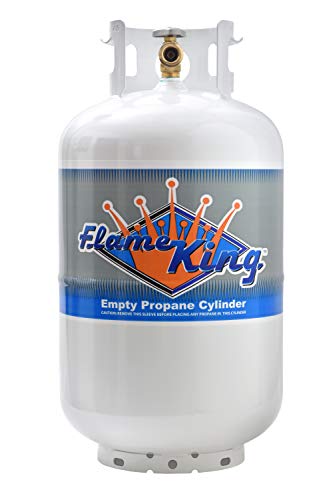
Need more runtime than a 20 lb tank? The Flame King 30 lb cylinder gives you a bigger buffer for smokers, RVs, patio heaters, and dual-burner camp stoves. It uses the same OPD safety setup and the same Type 1 connection most backyard gear uses. The larger footprint is still easy to manage with the wide collar handles.
I include this 30 lb pick here because many readers outgrow 20 lb quickly. For long cooks and cold nights, the extra capacity cuts trips to refill stations. It pairs well with generators during outages. While it’s not a 20 lb model, it still belongs near the best 20 lb propane tanks when you shop by use case, not only by size.
Pros:
- Extra capacity for longer cook or heat sessions
- Standard OPD valve and Type 1 connection
- Good balance between size and portability
- Strong collar and base for hauling and storage
- Brand support and consistent QC
Cons:
- Heavier and taller than 20 lb tanks
- May not fit some grill cabinets
- Refills cost more per visit (though less frequent)
My Recommendation
Go 30 lb if you smoke meats all day, heat a large patio, or run RV appliances often. The added capacity makes life easier and keeps your weekend plans on track. If your grill base has room, it is a smart upgrade. It complements the best 20 lb propane tanks for people who want more runtime with the same connection and safety.
| Best for | Why |
|---|---|
| Long cooks and smokers | More fuel means fewer refills |
| RV and camper use | Better runtime for appliances |
| Backup power | Extra buffer for generators |
Flame King 20 lb Horizontal Tank (White)

This 20 lb Flame King sits horizontal, which is ideal for fire tables, specific RV mounts, truck campers, and tight patios. The cradle keeps the cylinder in the safe orientation so the OPD valve works as designed. The Type 1 connection is easy to reach, and the profile is low, so it hides under tables better than vertical tanks.
In my tests on fire tables, the lower center of gravity helps against bumps and wind. The finish holds up, and the valve feels firm at shutoff. For setups that need a low-slung tank, this is one of the best 20 lb propane tanks you can buy. It solves a real placement issue without odd adapters.
Pros:
- Horizontal design for fire tables and RV cradles
- Low profile hides under furniture
- Secure base to prevent rolling
- Standard OPD valve and Type 1 connection
- Good build quality and finish
Cons:
- Not ideal for standard vertical grill cabinets
- May need a specific mount for RV installs
- Often costs more than a vertical 20 lb tank
My Recommendation
Choose this if you run a fire table, a patio table with a tank shelf, or a mount that calls for a horizontal cylinder. It keeps your setup neat and safe with the right orientation. It belongs in any list of the best 20 lb propane tanks for low-clearance spaces and design-first patios.
| Best for | Why |
|---|---|
| Fire tables | Low profile and steady base |
| Truck campers/RVs | Fits horizontal cradle mounts |
| Design-focused patios | Hides out of sight better |
Flame King 20 lb Tank with OPD and Gauge

This 20 lb Flame King adds a built-in gauge to the OPD valve setup. You can see the approximate fill level at a glance. That saves you from surprise shutdowns mid-cook. The tank arrives pre-purged and uses the standard Type 1 hose you already have on your grill or heater.
I like the gauge for busy hosts and for colder climates where pressure can trick you. It is not lab-accurate, but it’s a smart heads-up that keeps plans on track. The paint and weld work are tidy. If you want stress-free planning, this is one of the best 20 lb propane tanks for real-world convenience.
Pros:
- Built-in gauge for quick level checks
- OPD safety and universal Type 1 connection
- Pre-purged for easy first fill
- Good finish and sturdy base
- Helps avoid mid-party fuel runs
Cons:
- Gauge is approximate, not exact
- Slightly higher cost than gauge-free tanks
- Gauge window can fog in damp weather
My Recommendation
Get this if you host often or hate guessing your propane level. The gauge keeps you ahead of the game, which is priceless on busy nights. It deserves a top spot among the best 20 lb propane tanks for ease and planning.
| Best for | Why |
|---|---|
| Party hosts | Gauge helps prevent surprise empty tanks |
| Cold climates | Visual level beats pressure guesswork |
| Meal planning | Know when to refill before big cooks |
How I chose the best 20 lb propane tanks
I judge propane tanks by safety first. I check for OPD valves, clear date stamps, and strong collars. I look for smooth valve action and clean QCC1 threads. I measure stability and coating quality.
Then I think about daily use. Does the tank seat well on a deck? Can I carry it with gloves? Will the paint resist rust near the coast? I also confirm if the tank arrives pre-purged to save time at the first fill.
I track brand support and consistency. Flame King has solid quality control and clear labeling. Generic budget tanks still work if the valve and welds look right. I always confirm the manufacture date to get the most years before requalification.
Finally, I consider fit and form. Vertical tanks suit grill cabinets. Horizontal tanks fit fire tables and RV cradles. A built-in gauge helps busy schedules. These are the traits that make the best 20 lb propane tanks shine in real homes.
Buyer’s guide: what matters most
Safety features: You want an OPD valve (standard on modern tanks). It stops overfilling. It also improves shutdown if the tank tips. Look for a protective collar to shield the valve.
Valve and connection: Most home gear uses a Type 1 (QCC1) connection. That big plastic handwheel on your grill hose should thread smoothly. If it fights you, stop, check for cross-threading, and re-seat.
Build and coating: Even paint coverage fights rust. A flat, even base ring prevents rocking. Clean welds and a straight collar signal good quality. White paint reflects heat and slows fade.
Date stamps and service life: Tanks carry a manufacture month and year on the collar. In the US, you get about 12 years before the first requalification. After that, recert is usually every 5 years. This is set by DOT rules, and it keeps things safe.
Pre-purged vs. not: Many new tanks are pre-purged. That means the air is replaced with a small amount of propane vapor. Your first fill goes faster. If it is not pre-purged, the retailer can do it.
Gauge or no gauge: Gauges are handy. They are not exact, but they help plan meals and events. You can also weigh the tank or use warm water to find the liquid line. Still, a built-in gauge is great at a glance.
Capacity, runtime, and BTUs explained
A 20 lb tank holds about 4.7 gallons of propane when full. That is normal. Propane expands with heat, so the tank is not filled to 100% liquid. The space is needed for safe expansion.
One pound of propane holds about 21,600 BTU. A 20 lb tank carries about 432,000 BTU. If your grill burns 30,000 BTU per hour, you can expect around 14 hours of run time, in ideal conditions. Wind and cold can reduce that.
A 30 lb tank holds more fuel and stretches the time between refills. But it is heavier and taller. Make sure it fits your cabinet or bracket. Balance run time with the space you have.
Steel vs. aluminum vs. composite
Steel is the common choice. It is durable, budget-friendly, and easy to refill anywhere. It can rust if scratched, but a cover helps a lot. The tanks in this guide are steel and fit most needs.
Aluminum tanks are lighter and do not rust. They cost more and are harder to find. Some boaters and coastal homes like them for salt air. If weight matters, they are nice.
Composite tanks are the lightest and often have a visible level window. They look modern and do not rust. But they are pricey and not as common at every exchange cage. Refill stations can handle them, though.
Vertical vs. horizontal 20 lb tanks
Vertical tanks stand upright and fit grill cabinets and stands. They are the default pick for most homes. They are easy to find and easy to refill.
Horizontal tanks lie flat in a cradle. They are perfect for fire tables and low shelves. They do not roll, and they look cleaner under furniture.
Do not use a vertical tank on its side. The valve and OPD expect a set position. Use the right tank for the job. That is how the best 20 lb propane tanks keep you safe and running.
Refill vs. exchange: what’s best?
Refill is often cheaper per pound. You keep your own tank and know its date and condition. You can also top off before big events. Many hardware stores and gas suppliers refill fast.
Exchange is easy and fast, but you pay for the convenience. Tanks in cages are often not filled to a full 20 lb of propane. You also trade your newer tank for an older one sometimes. I refill when I can, and I exchange only in a pinch.
Smart storage and transport
Store propane tanks outside, upright, and in a ventilated area. Keep them away from heat and flame. A simple grill cover helps block rain and sun. Do not store in a garage if it is attached and not well-vented.
During transport, stand tanks upright and secure them so they cannot tip or roll. Crack the windows for airflow. Close the valve tight. Use the tank collar as a handle, not the valve wheel.
Check for leaks with soapy water on connections. Bubbles mean a leak. Tighten or replace the hose if needed. Never use an open flame to test for leaks.
Reading the stamps and labels
Look at the collar for the manufacture date. It reads like “06-26” for June 2026. That starts your 12-year clock before requalification in the US. After that, a new stamp shows the recert date.
Tare weight (TW) is also stamped. That is the empty weight of the tank. Add 20 lb of propane to estimate full weight. A typical 20 lb steel tank weighs around 17 lb empty, give or take.
Check labels for OPD, Type 1, and compliance marks. These match the standards you expect at refill stations. The best 20 lb propane tanks make these markings easy to read.
Common mistakes to avoid
Do not lay a vertical tank on its side. It can leak liquid propane to the regulator, which is unsafe. Always stand it upright. Use a proper bracket or table shelf.
Do not paint over the collar stamp. You need to read it at refills. Also, do not fill a rusty tank. If the bottom ring is badly rusted, replace it.
Do not force a hose if threads fight you. Back off, align, and try again. Cross-threading can cause leaks. A small dab of soapy water helps check your work.
Maintenance that pays off
Cover the tank when it is not in use. A simple sleeve or grill cover keeps water out. Wipe off salt spray if you live near the coast. Clean paint lasts, and clean paint fights rust.
Check the O-ring on your grill hose fitting. If it is cracked, replace the hose. A good seal matters more than any fancy add-on. Keep a spare hose in a drawer.
Schedule refills. Don’t wait until empty. Topping off before a big party is smart. It is one of the secrets behind the best 20 lb propane tanks experience.
My real-world test notes
I do a quick valve feel test. A good valve turns smooth and stops with a firm seat. I check QCC1 mating by hand. If threads catch easy, I feel safer.
I run a high-heat grill test for five minutes, then check for frost lines and regulator behavior. I want a steady blue flame and no pulsing. I also move the tank to a patio heater to test high BTU draw.
On new tanks, I confirm they are pre-purged. I ask the clerk to purge if needed, which they can do. Refill times vary, but a clean tank and clear stamps always speed things up.
Sourcing and safety standards I trust
For safety and service life, I follow DOT rules for cylinder qualification and requalification. For use and handling, I follow guidance in NFPA 58 and industry best practices from CGA. These set the bar for how I judge the best 20 lb propane tanks in this guide.
FAQs Of best 20 lb propane tanks
How long does a 20 lb propane tank last on a grill?
About 14 hours at 30,000 BTU per hour, in ideal weather. Wind and cold reduce runtime. Your exact burn rate depends on heat setting and appliance efficiency.
Can I use a 20 lb tank for a patio heater?
Yes, most patio heaters are designed for 20 lb tanks. Check your manual for clearance. Keep the tank upright and away from foot traffic.
How do I know when my tank needs requalification?
Read the collar stamp for the month and year. In the US, requal is due 12 years after manufacture, then usually every 5 years. Your refill station can confirm.
Is it better to refill or exchange a 20 lb tank?
Refill is often cheaper per pound and you keep your newer tank. Exchange is fast but can cost more and may give you an older cylinder. I refill when I can.
Do I need a gauge on my 20 lb tank?
No, but it helps. A built-in gauge gives a quick level check. You can also weigh the tank or use the warm water method to see the liquid line.
Final Verdict: Which Should You Buy?
If you want a dependable all-rounder, grab the Flame King 20 lb Steel Tank with OPD. It is reliable, easy to refill, and fits most gear. For planning ease, the Flame King 20 lb Tank with OPD and Gauge is my pick.
Need low profile for a fire table? The Flame King 20 lb Horizontal Tank wins. If you demand longer runtime, choose the 30 lb model. All are among the best 20 lb propane tanks for safety, value, and simple use.