Yes, high-heat vapor destroys both living insects and their eggs on contact, which is why treating infested furniture with heat remains one of the fastest non-chemical eradication methods available today. When using steam to kill bed bugs, the critical factor is surface heat: the vapor must deliver a surface temperature of 160°F to 180°F to guarantee an immediate kill.
How hot must steam be to kill bugs
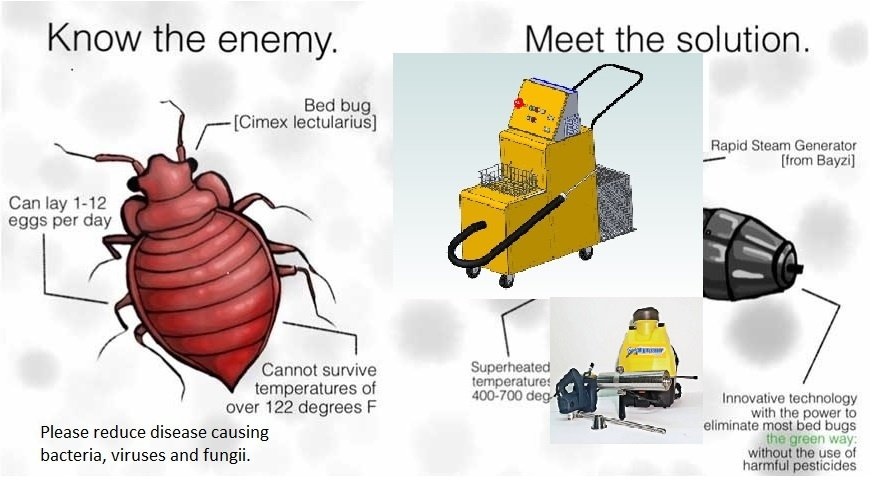
Thermal treatments work because heat breaks down the essential proteins inside an insect’s shell and internal organs. While adult bugs begin dying when their bodies reach 113°F for over an hour, hot vapor moves past that threshold in seconds by transferring energy directly into whatever it touches.
The table below breaks down how pest life stages react to specific heat ranges during direct treatment.
| Temperature Range | Exposure Time Needed | Effect on Adult Bugs | Effect on Eggs |
|---|---|---|---|
| Below 113°F | Ineffective | Insects survive and scatter | Eggs survive completely |
| 113°F – 122°F | 15 to 90 minutes | Slow death from desiccation | Eggs survive unless sustained |
| 125°F – 140°F | 1 to 5 minutes | Lethal within minutes | Lethal with direct contact |
| 160°F – 180°F | Instant (1 to 2 seconds) | Immediate kill on contact | Immediate kill on contact |
| Above 212°F | Instant | Immediate kill on contact | High risk of fabric burn |
Exceeding 212°F directly against delicate fabrics can melt synthetic fibers or warp finished wood frames.
Why Heat Works Better Than Chemical Sprays
Modern bed bugs have developed thick outer cuticles and altered nerve receptors that shield them against synthetic pyrethroids and store-bought bug bombs. Heat is a physical mechanism of control, not a chemical one, so insects can’t build genetic resistance or biological immunity to thermal shock. Hot vapor ruptures cellular membranes and coagulates internal fluid instantly.
Non-chemical heat targets insects that survive pesticide applications. Pesticides also struggle against egg clusters tucked deep into seams, while thermal vapor transfers heat directly through fabric layers and woven webbing.
Vapor leaves behind zero chemical residue on sleep surfaces, making it safer for households with toddlers, cats, and individuals with respiratory issues. Treated items can return to regular use once dry.
What Kind of Machine Delivers Real Results?
Garment steamers and clothes irons can’t clear an infestation because their output runs far too wet and drops below lethal thresholds an inch away from the head. Effective eradication requires a dedicated commercial or heavy-duty residential cylinder steamer equipped with a brass boiler that produces dry steam under pressure.
Low-Pressure Garment Unit (Wet) –> Surface gets wet, heat drops off quickly
High-Pressure Cylinder Unit (Dry) –> Drives heat deep into seams, dries fast
Look for units with large rectangular floor or upholstery attachments rather than narrow pinpoint nozzles.
How to Apply High Heat to Infested Furniture
Eradicating pests with vapor demands methodical, slow movements across every square inch of a piece of furniture. Rushing the process results in missed clusters that re-infest the room within a few weeks.
- Strip and wash all exterior fabrics. Strip sheets, pillowcases, and removable cushion covers, then seal them inside plastic bags before carrying them to your laundry room to wash on high heat.
- Vacuum the entire exterior first. Run a vacuum nozzle over seams, tufts, and folds to remove loose dust, insect casings, and surface bugs before applying heat.
- Wrap your steam head in clean cloth. Secure a thick microfiber cloth or small cotton towel over the wide brush attachment to capture excess water and hold heat against the fabric.
- Test the temperature using a thermometer. Hold an infrared thermometer over the target area directly behind the moving head to confirm the surface stays within the lethal heat zone.
- Move the attachment slowly along seams. Glide the brush head at a steady speed of one inch per second, pressing firmly into piping, edge seams, and structural folds where insects hide.
- Treat all hidden structural recesses. Flip mattresses and turn sofas over to sweep across dust covers, wooden frame joints, staple lines, and screw holes on the underside.
- Allow treated items to dry completely. Set up oscillating fans or open windows to circulate air throughout the room so any residual dampness evaporates within a couple of hours.
Tip: Keep the steam head pressed flush against the fabric; holding the nozzle even two inches away can drop vapor temperature by over 50 degrees, allowing bugs to survive.
Where Does Vapor Heat Work Best in a Home?
Vapor excels at sanitizing soft, porous items that can’t survive a trip through a tumble dryer or withstand wet chemical applications. Mattresses, box springs, headboards, and upholstered sofas represent the prime targets for thermal eradication. Because the vapor penetrates up to three-quarters of an inch into fabric, it reaches deep inside tufting where traditional sprays fail.
You can also treat heavy draperies, office chairs, pet bedding, and luggage casings after returning home from travel. Thermal vapor sanitizes seams, zipper tracks, and internal pockets without staining or degrading the luggage shell.
Can Steam Drive Insects Deeper into Walls?
A common mistake during thermal treatment is holding high-pressure nozzles too close to open wall voids, electrical plates, or wide baseboard gaps. When intense pressure hits a hiding spot without an immediate kill, the sudden draft blows uninjured bugs sideways into adjacent cavities.
A towel-wrapped head cuts down on air velocity. The cloth absorbs the direct jet blast, turning a violent stream of vapor into a hot, penetrating heat block. Insects are pinned and cooked in place rather than scattered across your bedroom floor.
Essential Surface Adjustments
Different materials absorb and handle thermal energy differently. Treating delicate antique furniture requires a different technique than sanitizing a heavy woven mattress. The reference table below details how to treat various household surfaces without causing damage.
| Surface Material | Attachment Type | Movement Speed | Precautionary Check |
|---|---|---|---|
| Mattress Seams | Wide head wrapped in towel | 1 inch per second | Let dry fully before encasing |
| Hardwood Bed Frames | Medium brush with pad | 2 inches per second | Wipe excess moisture immediately |
| Upholstered Sofas | Wide upholstery tool | 1 inch per second | Check hidden fabric for water spots |
| Carpet Edges | Floor brush with cloth | 1 inch per second | Avoid melting synthetic fibers |
| Baseboard Cracks | Narrow nozzle with diffuser | 1.5 inches per second | Keep vapor away from electrical outlets |
Hardwood frames require quick follow-up drying with a microfiber towel to prevent moisture from clouding varnishes or warping structural joints. For carpets, verify whether the pile consists of nylon, wool, or heat-sensitive polyester before holding hot vapor in one spot for too long.
How Long Does the Entire Treatment Take?
Treating a standard bedroom thoroughly requires between two to three hours of steady, continuous work. It requires checking and heating every crevice of the bed frame, mattress, and nearby furniture.
A queen-size mattress and box spring set takes roughly 45 to 60 minutes to steam completely across both sides and along all perimeter seams.
Is It Safe to Use Steam on All Bedroom Items?
While thermal vapor is exceptionally versatile, it isn’t suitable for every object found in an infested bedroom. High heat ruins fine electronics, melted adhesives, delicate leather, and unsealed antique wood finishes. You should never direct steam into power strips, wall outlets, or behind baseboards that house active wiring, as moisture can cause short circuits or severe electrical shock.
According to technical guidance from the University of Minnesota Extension on bed bugs, heat works exceptionally well on soft goods, but heat-sensitive materials must be addressed through alternative strategies. Items like televisions, remote controls, laptop chargers, and books must be inspected manually or isolated inside sealed storage bins with specialized pest strips.
Avoid using hot vapor on memory foam pillows and mattress toppers unless the manufacturer’s care tag explicitly approves it. High heat degrades the chemical structure of memory foam, causing it to lose its shape, crumble, or melt internally.
Practical Steps to Prevent Re-Infestation
Thermal eradication kills existing insects instantly, but it leaves behind zero residual protection once surfaces cool. A bug hiding inside a deep wall crack can walk straight across a treated mattress twenty minutes later without suffering any ill effects. Combining heat applications with protective barriers creates an ongoing defense system.
Install certified bed bug encasements over your mattress and box spring immediately after the fabric has dried completely. These zippered covers trap any missed bugs inside until they perish, while preventing new insects from colonizing the interior seams.
Place interceptor cups beneath every leg of your bed frame to stop insects from climbing up from flooring or neighboring rooms. Pull the bed at least six inches away from walls, and ensure blankets or dust ruffles never touch the carpet.
[Wall Surface] <– 6 Inch Gap –> [Isolated Bed Frame]
|
(Leg in Interceptor)
|
[Floor Surface]
Common Mistakes That Ruin Heat Treatments
Treating an infestation with heat is simple in theory, but small operational errors can completely sabotage your eradication efforts.
Why Are Bugs Still Appearing After Treatment?
Bugs continue to appear when the operator moves the steam head too quickly across heavy seams. Gliding across fabric at regular cleaning speeds fails to heat the inner layers to the required lethal threshold.
Why Is My Mattress Soaking Wet After Steaming?
Excess moisture means you’re using an underpowered garment steamer or holding an unheated nozzle directly against the fabric. A machine must build adequate pressure in a closed boiler to create dry, vaporous heat rather than boiling water spray.
Why Did the Treatment Crack My Wooden Headboard?
Veneers and delicate wood finishes split when subjected to sustained, concentrated vapor blasts. Wood swells rapidly when exposed to hot water, stressing adhesive bonds and warping grain layers.
Frequently Asked Questions
Can I use a regular clothing iron instead of a steamer?
No, a clothing iron can’t reach down into deep mattress seams, tufts, and structural crevices where pests hide. Irons present a severe fire risk when pressed into furniture and lack the pressurized vapor needed to drive lethal heat past outer fabric layers.
Will steam kill bed bug eggs instantly?
Yes, high-heat vapor destroys eggs in one to two seconds if the surface reaches between 160°F and 180°F. The intense thermal energy coagulates the embryo’s proteins instantly, preventing the egg from ever hatching or developing into a nymph.
How soon can I sleep on my mattress after steaming?
You can safely sleep on the mattress as soon as it dries completely, which typically takes two to four hours. Setting up household fans or opening windows speeds up moisture evaporation and prevents mildew growth inside the internal batting.
Does steaming eliminate an infestation in a single pass?
Rarely does a single pass clear an entire home, because isolated insects often hide deep behind baseboards or inside electrical switch plates. Successful eradication requires treating furniture thoroughly, setting up bed leg interceptors, and repeating the process after seven to ten days.
Should I steam my clothes instead of washing them?
Tossing washable clothes into a standard household dryer on high heat for thirty minutes is much faster and more reliable than hand-steaming each garment. Reserve steam treatments for heavy coats, delicate dry-clean fabrics, or bulky luggage pieces that can’t enter a dryer.
Can I use a carpet cleaning machine to kill bed bugs?
No, standard carpet shampooers use water that’s far too cool to kill insects or eggs. Carpet machines also saturate the floor with soapy water, which fails to reach lethal temperatures while creating an ideal environment for mold and mildew.
Take your time when moving room to room, keep a surface thermometer handy to verify your working temperatures, and install bed leg interceptors right away. Combining methodical heat sweeps with physical mattress covers guarantees that once you clear your sleep space, it stays clear for good.