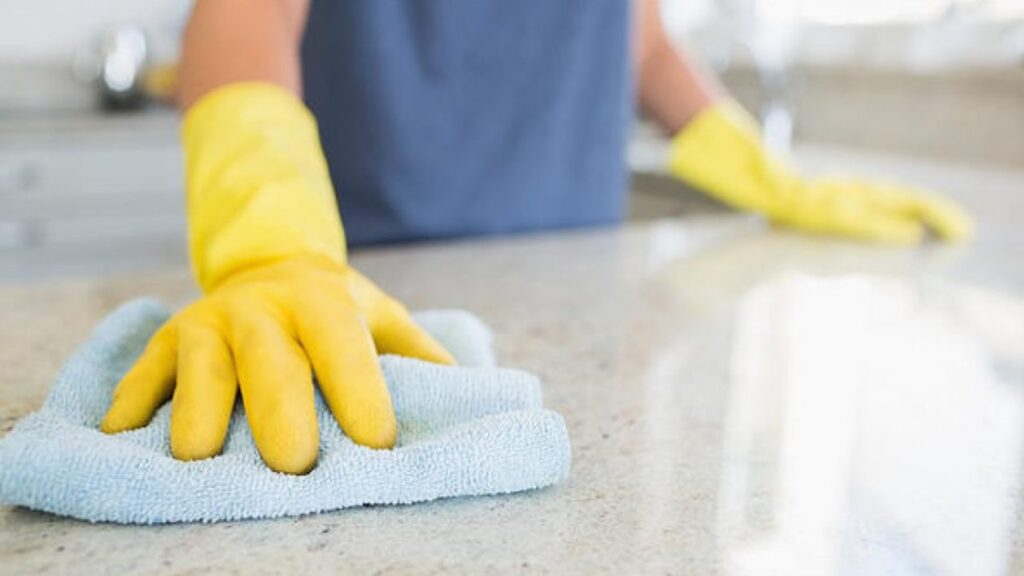
A disinfectant cleaner is a product designed to kill germs, such as bacteria and viruses, on surfaces. Unlike regular cleaners that remove dirt and grime, disinfectants actively eliminate microorganisms, making them crucial for maintaining hygiene in homes, hospitals, and public spaces. Understanding what makes a cleaner a disinfectant and how to use it effectively is key to preventing the spread of illness.
Understanding Disinfectant Cleaners
Disinfectant cleaners are a vital part of modern hygiene practices. They go beyond simple cleaning by actively killing harmful microorganisms that can cause disease. This distinction is important because not all cleaning products are created equal, and using the right product for the right job can significantly impact health and safety.
What Is A Disinfectant?
At its core, a disinfectant is a chemical agent that kills microorganisms, such as bacteria, viruses, and fungi, on non-living surfaces. This is different from an antiseptic, which is used on living tissues like skin to reduce the risk of infection. Disinfectants are designed for inanimate objects and surfaces, from kitchen countertops and bathroom fixtures to medical equipment and public transportation handles.
The effectiveness of a disinfectant is often measured by its ability to kill a certain percentage of specific microorganisms within a set amount of time. Regulatory bodies in different countries, such as the Environmental Protection Agency (EPA) in the United States, evaluate and register disinfectants to ensure they meet safety and efficacy standards.
Products that make disinfectant claims must have EPA registration numbers on their labels.
How Disinfectants Work
Disinfectants work through various mechanisms to destroy or inactivate microorganisms. The specific method depends on the active ingredient in the disinfectant. Some common mechanisms include:
- Oxidation: Oxidizing disinfectants, like those containing bleach (sodium hypochlorite) or hydrogen peroxide, work by damaging essential components of microbial cells, such as their cell walls and internal proteins. This disrupts cellular function and leads to cell death.
- Denaturation of Proteins: Many disinfectants, such as alcohols and quaternary ammonium compounds (quats), work by altering the structure of essential proteins within the microorganism. This process, called denaturation, renders the proteins non-functional, preventing the microbe from carrying out vital life processes.
- Disruption of Cell Membranes: Some disinfectants target the cell membrane, the outer layer of a microbial cell. By damaging or dissolving this membrane, the disinfectant causes the cell contents to leak out, leading to the death of the microorganism.
The broad-spectrum nature of many disinfectants means they can kill a wide range of pathogens, making them effective against common household germs as well as more serious disease-causing agents.
The Difference Between Cleaners, Sanitizers, And Disinfectants
It’s crucial to understand the differences between these terms, as they represent distinct levels of microbial control.
- Cleaners: These products are designed to remove dirt, grime, food residue, and other visible soil from surfaces. They typically contain surfactants (soaps or detergents) that help lift and wash away debris. While cleaning can remove some germs, it does not kill them. For example, wiping down a sticky table with a damp cloth is cleaning.
- Sanitizers: Sanitizers reduce the number of germs on surfaces to a safe level, as determined by public health standards. For food-contact surfaces, a sanitizer must reduce bacterial counts by 99.999% within 30 seconds. For non-food-contact surfaces, the standard is typically a 99.9% reduction in bacteria within a specified contact time. Sanitizing is a less aggressive process than disinfecting and is often used in settings where reducing germ load is sufficient, such as in food preparation areas.
- Disinfectants: As mentioned, disinfectants kill a much higher percentage of germs, typically 99.999% or more, within a specific contact time. They are designed to eliminate most harmful microorganisms and are essential for controlling the spread of infectious diseases, especially in healthcare settings, schools, and public restrooms.
Here’s a simple way to remember the hierarchy: Cleaning removes dirt, Sanitizing reduces germs to a safe level, and Disinfecting kills most germs.
Types Of Disinfectant Cleaners
Disinfectant cleaners come in various formulations, each with different active ingredients and applications. The choice of disinfectant often depends on the surface being cleaned, the type of germs to be targeted, and safety considerations.
1. Bleach-based Disinfectants
Bleach (sodium hypochlorite) is a powerful and widely used disinfectant. It is effective against a broad spectrum of bacteria, viruses, and fungi.
- Pros: Highly effective, inexpensive, readily available, and fast-acting when used at the correct concentration.
- Cons: Can damage or discolor certain surfaces (fabrics, metals), has a strong odor, can irritate skin and respiratory systems, and loses effectiveness when mixed with organic matter or certain other chemicals. It must be diluted properly for safe and effective use. The EPA recommends a 10-minute contact time for most disinfection applications with diluted bleach.
- Common Uses: Disinfecting bathrooms, kitchens, and non-porous surfaces.
2. Quaternary Ammonium Compounds (quats)
Quats are a common active ingredient in many household and institutional disinfectants. They are effective against a wide range of bacteria and some viruses.
- Pros: Generally have a milder odor than bleach, are less corrosive, and can leave a residual antimicrobial effect on surfaces.
- Cons: May be less effective against certain viruses and non-enveloped viruses. Some studies suggest overuse could contribute to antimicrobial resistance.
- Common Uses: Disinfecting floors, walls, countertops, and high-touch surfaces in homes, schools, and offices.
3. Hydrogen Peroxide-based Disinfectants
Hydrogen peroxide is an oxidizing agent that breaks down into water and oxygen, making it a more environmentally friendly option. It is effective against bacteria, viruses, and fungi.
- Pros: Breaks down into harmless byproducts, has a relatively short contact time, and is effective against a broad spectrum of microbes. Some formulations are considered “green” or eco-friendly.
- Cons: Can sometimes be slower-acting than bleach and may require longer contact times for certain pathogens. Can bleach fabrics.
- Common Uses: Disinfecting kitchens, bathrooms, and medical equipment.
4. Alcohol-based Disinfectants
Alcohols, typically ethanol or isopropyl alcohol at concentrations of 60-90%, are effective disinfectants against bacteria and enveloped viruses.
- Pros: Fast-acting, evaporate quickly, and generally do not leave residues.
- Cons: Not effective against all types of viruses (e.g., non-enveloped viruses like norovirus) or bacterial spores. Highly flammable. Can dry out skin and damage some surfaces like plastics or varnishes.
- Common Uses: Disinfecting small surfaces, electronics (with caution), and as hand sanitizers.
5. Phenolic Disinfectants
Phenols (also known as carbolic acid) are strong disinfectants effective against bacteria, fungi, and some viruses. They work by disrupting cell walls and denaturing proteins.
- Pros: Effective in the presence of moderate amounts of organic matter.
- Cons: Have a strong odor, can cause skin irritation or burns, and may leave a residue. Not typically used in households due to safety concerns.
- Common Uses: Disinfecting surfaces in hospitals, laboratories, and veterinary clinics where strong disinfection is required.
6. Peracetic Acid-based Disinfectants
Peracetic acid is a strong oxidizing agent that is effective against a broad spectrum of microorganisms, including bacteria, viruses, fungi, and spores.
- Pros: Highly effective, works quickly, and breaks down into environmentally friendly byproducts (acetic acid, water, oxygen).
- Cons: Corrosive and can damage certain materials. Requires careful handling.
- Common Uses: Sterilizing medical equipment, disinfecting food processing equipment, and in industrial applications.
9 Best Disinfecting Floor Cleaner: Tested For Different Surfaces
Key Components Of A Disinfectant Cleaner
Beyond the active disinfectant ingredient, several other components contribute to the overall performance and usability of a disinfectant cleaner.
- Surfactants: These are cleaning agents that help lift and remove dirt, grease, and grime. They allow the disinfectant to reach the surface more effectively by breaking down the surface tension of water and emulsifying oils.
- Solvents: Solvents help dissolve certain types of soils and can aid in the even distribution of the disinfectant.
- Builders: These ingredients enhance the cleaning power of surfactants, particularly in hard water.
- Fragrances and Dyes: Added for aesthetic appeal, to mask odors, or to indicate the product’s presence. However, these can sometimes cause allergic reactions or sensitivities in some individuals.
- Stabilizers: These ingredients help maintain the effectiveness of the active disinfectant over time.
How To Use Disinfectant Cleaners Effectively
Simply spraying a disinfectant cleaner onto a surface is often not enough to ensure effective disinfection. Proper usage is critical for killing germs.
1. Read And Follow Label Instructions
This is the most important step. Product labels provide specific instructions on:
- Dilution: Many disinfectants, especially bleach, must be diluted with water to the correct concentration. Using too little may render it ineffective, while using too much can be wasteful, damage surfaces, or pose health risks.
- Contact Time: This is the amount of time the disinfectant must remain wet on the surface to kill the target microorganisms. This can range from 30 seconds to 10 minutes or more, depending on the product and the specific pathogen.
- Application Method: Instructions will specify how to apply the product (e.g., spray, wipe, soak).
- Safety Precautions: This includes warnings about ventilation, personal protective equipment (gloves, eye protection), and incompatible materials.
2. Pre-clean Surfaces
Most disinfectants work best on clean surfaces. Dirt, dust, and organic matter can shield microorganisms, making the disinfectant less effective. Always clean the surface with a detergent and water first, then rinse and dry before applying the disinfectant. This two-step process is often recommended, especially in healthcare settings or when dealing with visibly soiled areas.
3. Ensure Proper Contact Time
As mentioned, the disinfectant must stay wet on the surface for the recommended contact time. Simply spraying and wiping immediately will not allow the disinfectant to do its job. For some products, you may need to let the surface air dry after the contact time.
4. Use Adequate Ventilation
Many disinfectant cleaners contain volatile organic compounds (VOCs) or strong fumes that can be irritating to the respiratory system. Ensure good ventilation by opening windows or using fans, especially when using strong disinfectants like bleach.
5. Wear Personal Protective Equipment (ppe)
When using strong disinfectants, it’s advisable to wear gloves to protect your skin from irritation and potential chemical burns. Eye protection, such as safety glasses, is also recommended, especially if there’s a risk of splashing.
6. Do Not Mix Disinfectants
Never mix different cleaning or disinfecting products, especially those containing bleach and ammonia, or bleach and acids. Mixing these chemicals can produce toxic gases that are extremely dangerous, even deadly. For example, mixing bleach and ammonia creates chloramine gas, which can cause severe respiratory problems.
7. Store Products Safely
Keep disinfectant cleaners out of reach of children and pets. Store them in their original containers, tightly sealed, and in a cool, dry place away from direct sunlight and heat.
Formula 409 Cleaner Degreaser Disinfectant: Does It Actually Work?
The Science Behind Disinfection
Disinfection is not just about applying a chemical; it involves a complex interaction between the disinfectant, the microorganism, and the surface environment. Understanding these principles helps explain why proper usage is so critical.
Microbial Resistance And Disinfectant Efficacy
Microorganisms are remarkably adaptable. Over time, some populations can develop resistance to disinfectants, although this is less common than antibiotic resistance in bacteria. Several factors influence a disinfectant’s ability to kill microbes:
- Concentration: The amount of active ingredient in the disinfectant is crucial. Too low a concentration may not kill all pathogens.
- Contact Time: As discussed, the duration the disinfectant remains active on the surface is vital.
- Temperature: Disinfectant effectiveness can be influenced by temperature. Some work better at room temperature, while others may require warmer conditions.
- PH: The acidity or alkalinity of the solution can affect the stability and efficacy of certain disinfectants. For example, bleach is most effective in a slightly alkaline to neutral pH range.
- Presence of Organic Matter: Dirt, blood, feces, and other organic materials can inactivate disinfectants by reacting with the active ingredients or by physically shielding the microorganisms. This is why pre-cleaning is so important.
- Surface Type: The material of the surface can affect how a disinfectant works. Porous surfaces like wood or unsealed grout can absorb disinfectants, potentially reducing their effectiveness or becoming reservoirs for microbial growth.
How Different Germs Respond To Disinfectants
Not all microorganisms are equally susceptible to disinfectants. Generally, they can be categorized by their resistance levels:
- Enveloped Viruses: These are the least resistant. Their outer lipid envelope is easily damaged by disinfectants like alcohols and bleach. Examples include influenza viruses and coronaviruses.
- Non-Enveloped Viruses: These are more resistant than enveloped viruses because they lack a lipid envelope. Examples include norovirus and rotavirus. They require stronger disinfectants or longer contact times.
- Gram-Positive Bacteria: These bacteria have a thick cell wall that makes them relatively susceptible to many disinfectants. Examples include *Staphylococcus aureus*.
- Gram-Negative Bacteria: These bacteria have an outer membrane that provides additional protection, making them more resistant than Gram-positive bacteria. Examples include *Escherichia coli* (E. coli) and *Salmonella*.
- Fungi (Yeasts and Molds): Fungi have cell walls that make them moderately resistant.
- Bacterial Spores: These are the most resistant forms of microbial life. Spores are dormant structures produced by certain bacteria (like *Clostridium difficile* or *Bacillus anthracis*) that can survive harsh conditions, including many disinfectants. High-level disinfection or sterilization is required to kill spores.
This hierarchy of resistance explains why regulatory agencies often require disinfectants to be tested against a range of challenging microorganisms to prove their efficacy.
Regulatory Oversight And Standards
In many countries, disinfectant products are regulated to ensure they are safe and effective. In the U.S., the Environmental Protection Agency (EPA) is responsible for registering pesticides, which includes antimicrobial pesticides like disinfectants.
- EPA Registration: Manufacturers must submit extensive data to the EPA demonstrating that their product kills the microorganisms claimed on the label without posing unreasonable risks to human health or the environment. Products that meet these standards are assigned an EPA registration number, which must appear on the product label.
- Label Claims: The EPA approves specific label claims for each