Oven roasted salmon is tender and even; blackened salmon is spicy, crusted, and smoky.
If you want a quick, clear guide to oven roasted vs blackened salmon, you’re in the right place. I’ve cooked thousands of fillets across restaurants, meal-prep kitchens, and home stoves. Here, I break down flavor, texture, heat, tools, nutrition, timing, and real-world tips. By the end, you’ll know when to choose each method, how to nail it, and how to fix common mistakes.
What is the difference between oven roasted and blackened salmon?
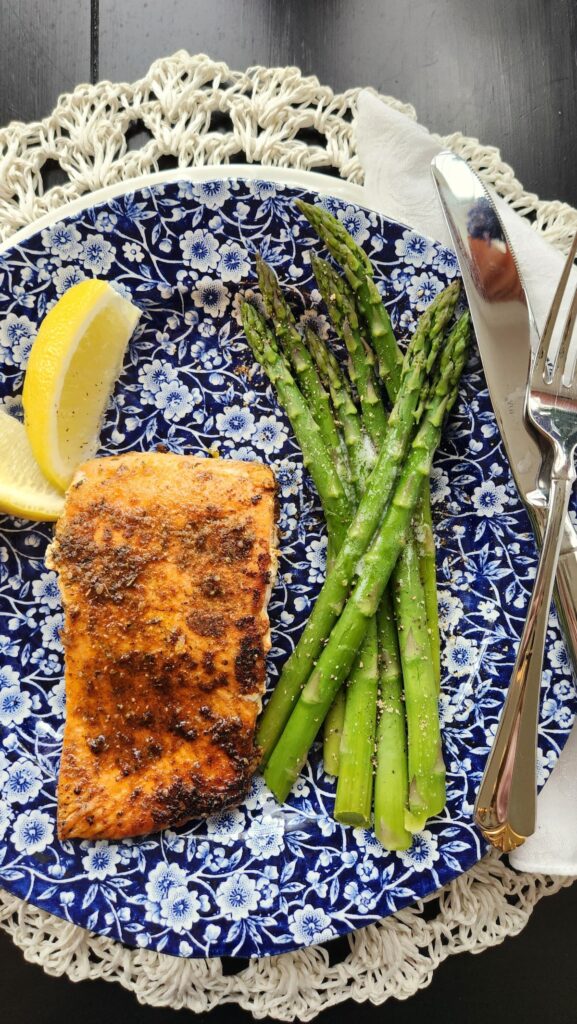
Oven roasted salmon cooks with dry, even heat. It is gentle and consistent. You get a moist interior and a light golden top. It is ideal for family dinners and meal prep.
Blackened salmon cooks over very high heat with a bold spice rub. The spices toast to a dark, flavorful crust. It is fast, punchy, and smoky. It is ideal for busy nights and big flavor.
Both are great. The best choice depends on mood, tools, and time. This oven roasted vs blackened salmon comparison will help you pick the right path for each meal.
Flavor, texture, and crust comparison
Oven roasted salmon
- Flavor is clean and pure. The fish shines.
- Texture is silky and flaky from edge to center.
- Crust is light. You can boost browning with a quick broil.
Blackened salmon
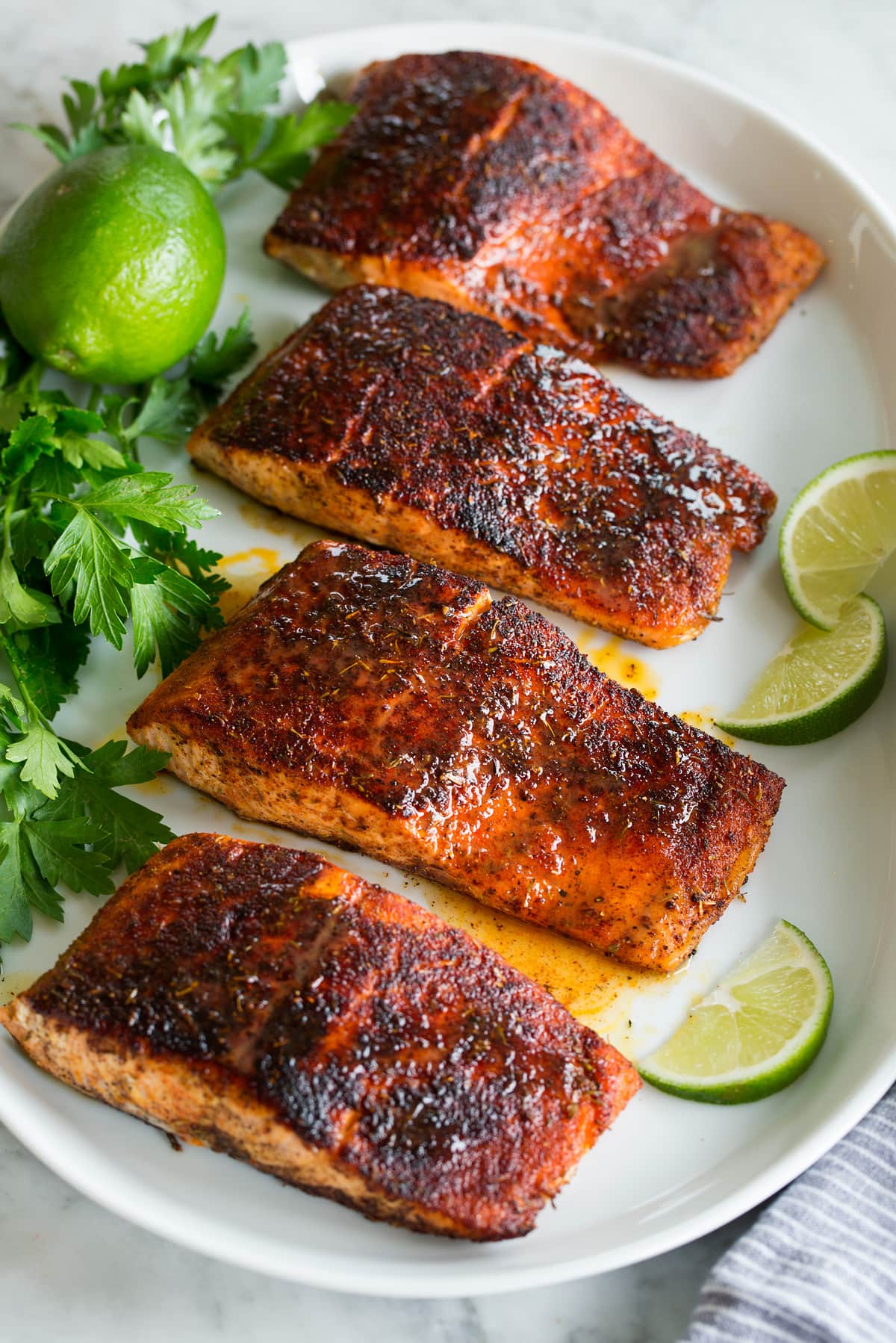
- Flavor is bold, warm, and spicy from the rub.
- Texture has a crisp, char-kissed crust with a juicy center.
- Crust forms from high heat, spice oils, and the Maillard reaction.
My chef tip: For oven roasted, a light brush of mayo or olive oil helps browning and keeps moisture in. For blackened, use a high-smoke oil like avocado oil and preheat the pan until it shimmers.
Quick questions people also ask
- Is blackened salmon burnt? No. It is deeply browned spices, not burnt fish.
- Which is juicier? Oven roasted is more forgiving; blackened can be just as juicy with care.
- Which tastes more like the sea? Oven roasted. Blackened leans more to spice and smoke.
This flavor-first lens is key to the oven roasted vs blackened salmon debate. Choose what fits your taste and the occasion.
How to Cook Whole Fish in a Roaster Oven – Perfectly Tender Every Time

Nutrition, calories, and macros
Both styles start with the same nutrient-dense fish. Salmon is rich in omega-3s (DHA and EPA), protein, B vitamins, and selenium.
- Oven roasted salmon usually uses less oil and less salt. Great for lighter meals and meal prep.
- Blackened salmon adds a spice rub that can raise sodium. It often uses more fat due to searing. Antioxidant-rich spices like paprika and cayenne are a plus.
Food safety guidelines recommend 145°F for fish. Many chefs prefer 120–125°F for medium-rare or 130°F for medium, which keeps moisture and texture. If serving kids, elders, or immunocompromised folks, aim closer to 145°F for safety.
In the oven roasted vs blackened salmon choice, nutrition stays strong either way. The main swing is oil and sodium. Use herbs, citrus, and smart oils to keep both styles heart-healthy.
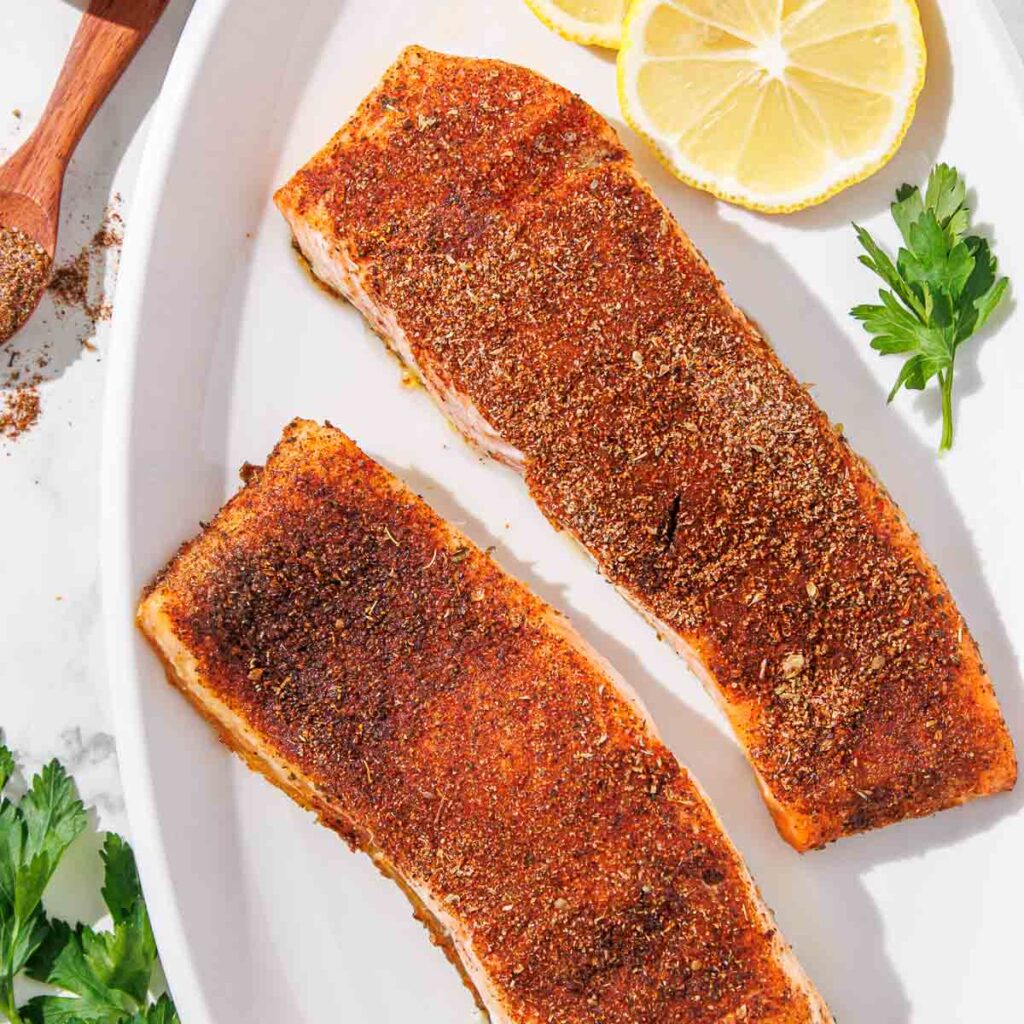
Step-by-step methods that work
Oven roasted salmon (reliable, even, and easy)
- Preheat to 425°F. Line a sheet pan and oil it.
- Pat fillets dry. Salt lightly 20–30 minutes ahead to dry-brine.
- Brush with olive oil or thin mayo. Season with salt, pepper, and lemon zest.
- Roast skin-side down for 8–12 minutes, depending on thickness. Aim for 125–130°F for medium.
- Optional 1–2 minute broil for a golden top. Rest 2 minutes.
Chef note: Thin sockeye cooks fast. Farmed Atlantic is thicker and needs a few more minutes.
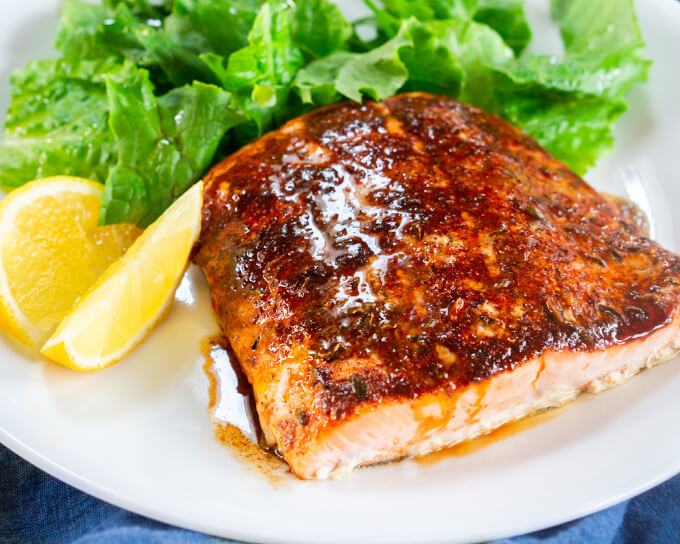
Blackened salmon (fast, bold, and crusty)
- Mix rub: paprika, garlic powder, onion powder, cayenne, black pepper, thyme, oregano, salt.
- Pat fish very dry. Lightly oil the surface. Coat evenly with rub.
- Preheat a cast-iron skillet over medium-high until very hot. Add avocado oil or clarified butter.
- Sear skin-side up first, 2–3 minutes. Flip and cook 2–4 minutes more. Finish at 125–130°F.
- If the crust is ready but the center is not, finish in a 400°F oven for 2–4 minutes.
Pro tip from my line-cook days: Open a window, run your vent, and preheat the pan well. The right heat makes a crust that releases cleanly.
Temps, tools, and timing
Tools that make life easier
- Oven roasted: heavy sheet pan, wire rack, instant-read thermometer, silicone brush.
- Blackened: 10–12 inch cast-iron skillet, fish spatula, instant-read thermometer, high-smoke oil.
Key temperatures
- Oven: 400–450°F. 425°F is my sweet spot.
- Skillet: preheated until oil shimmers and just wisps of smoke appear.
- Internal: 120–125°F medium-rare, 130°F medium, 145°F well-done and safest.
Timing cheats
- 1-inch thick fillet: 10–12 minutes in oven at 425°F.
- Blackened on cast-iron: 4–7 minutes total, plus 2–4 in oven if thick.
These anchors turn the oven roasted vs blackened salmon choice into a sure win on busy weeknights.
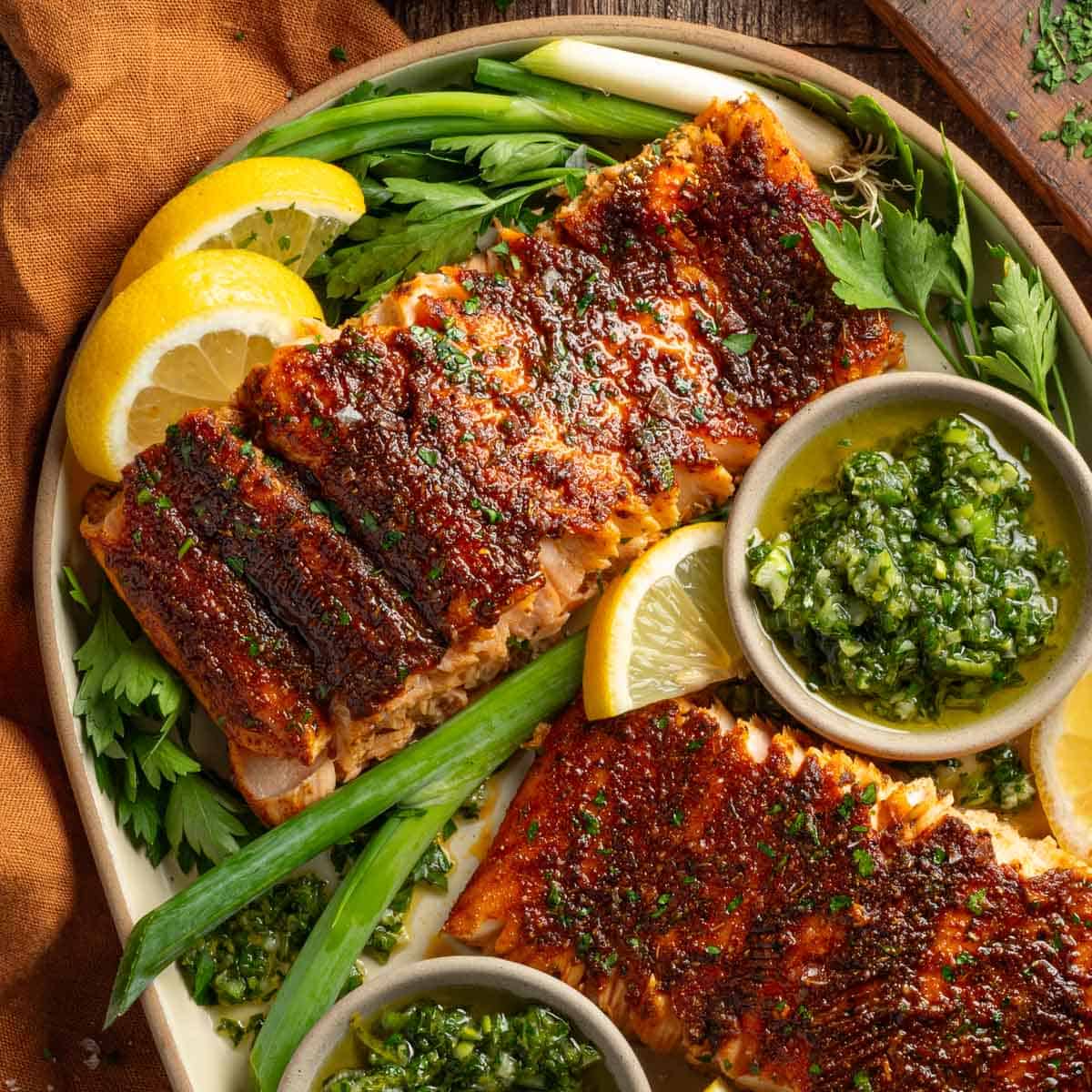
Seasonings and rubs that shine
Best for oven roasted salmon
- Lemon, garlic, dill, chives, and parsley
- Honey-mustard glaze
- Miso-maple or soy-ginger for umami
- Toasted breadcrumbs with olive oil and zest for crunch
Best for blackened salmon
- Classic Cajun blend with sweet paprika and cayenne
- Smoked paprika for depth without extra heat
- Brown sugar pinch to boost caramel notes
- Finish with lemon juice to brighten the crust
Marinade tip: Keep marinades short, 15–30 minutes max, especially with acid. Too long makes the surface mushy and blocks browning.
:max_bytes(150000):strip_icc()/AR-36487-blackened-salmon-fillets-DDMFS-4x3-ee7b484ea0434de989b4bc9a38326a27.jpg)
Mistakes to avoid and how to fix them
Common mistakes
- Wet fish. It steams and won’t brown.
- Overcrowding the pan. Space helps heat and crust.
- Wrong oil. Butter alone burns. Use avocado oil or ghee for searing.
- Heavy rub. A thick layer burns before the fish cooks.
- Guessing doneness. Use a thermometer or the gentle flake test.
Fixes that work
- Pat dry and salt ahead. Moisture moves out, flavor moves in.
- Preheat pans well. Hot metal equals clean sear.
- Switch heat zones. Start hot, finish in the oven if needed.
- Rest 2 minutes. Juices settle, and temp rises 2–3°F.
I learned the hard way that a tepid pan ruins blackened fish. Once I waited for a real preheat, the crust snapped and the fish released like a dream.
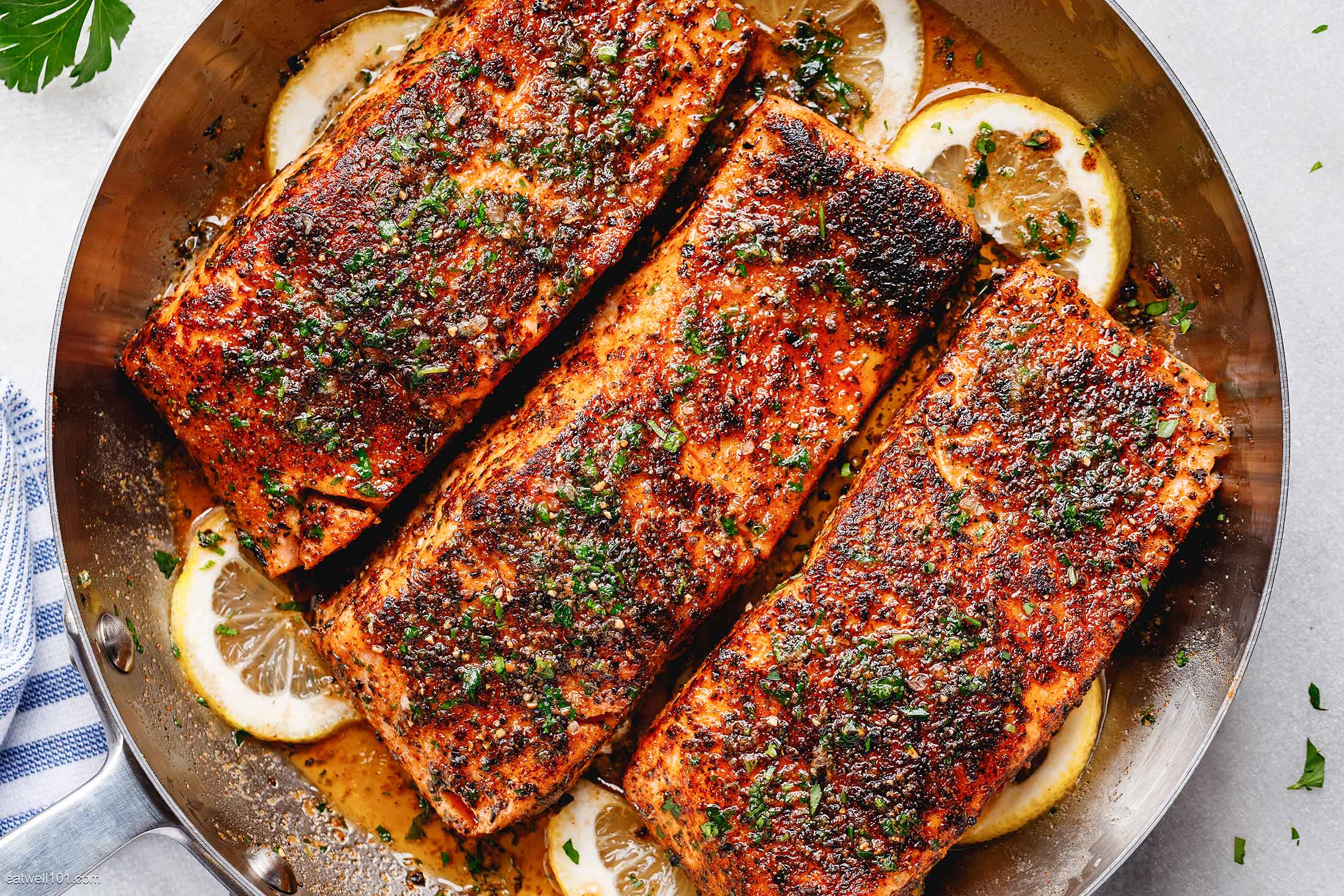
When to choose oven roasted vs blackened salmon
Choose oven roasted salmon when
- You want clean flavor and tender flakes
- You need hands-off cooking for guests or meal prep
- You’re serving delicate sides like herbed rice or spring veggies
Choose blackened salmon when
- You crave bold spice and a crisp crust
- You have a hot skillet and good ventilation
- You want tacos, grain bowls, or a salad with punchy dressing
Smart pairings
- Oven roasted: lemony potatoes, asparagus, dill yogurt, simple greens
- Blackened: corn salad, avocado, cabbage slaw, lime crema, dirty rice
In short, oven roasted vs blackened salmon comes down to mood, time, and gear. Both deliver great results with a few simple habits.

Frequently Asked Questions of oven roasted vs blackened salmon
Is blackened salmon the same as Cajun salmon?
They are close. Blackened salmon uses a Cajun-style spice rub and high heat to create a dark crust. Cajun salmon might be milder or baked, but the flavors overlap.
Do I need a cast-iron pan to blacken salmon?
Cast-iron is best for heat retention and crust. A heavy stainless-steel skillet also works if you preheat it well and use a high-smoke oil.
What oven temperature is best for roasting salmon?
Roast at 400–450°F. I like 425°F for a balance of browning and moisture without drying the edges.
Should I cook salmon with the skin on?
Yes for most methods. Skin insulates the flesh and helps it release. You can remove it after cooking if you prefer.
How do I stop my kitchen from smoking when blackening?
Use avocado oil or ghee, preheat well, and do not over-oil. Turn on the vent, open a window, and avoid burning the spice rub.
Can I blacken salmon in the oven?
You can get close. Preheat a cast-iron pan in a 475°F oven, add the fish, and broil briefly. The stovetop sear still gives the best crust.
What internal temperature should salmon reach?
Food safety says 145°F. Many cooks stop at 120–130°F for better texture, then rest the fish a couple of minutes.
Which is better for meal prep: oven roasted vs blackened salmon?
Oven roasted holds moisture better for reheating. Blackened is great cold in salads or tacos but can lose crust when reheated.
What oils are best for each method?
For roasting, olive oil or a thin mayo works well. For blackening, use high-smoke oils like avocado oil or clarified butter.
Does blackening add many calories?
A bit more, due to oil and rub. You can keep it lean by using less oil and a lighter rub while keeping the bold flavor.
Conclusion
Oven roasted vs blackened salmon is not a duel. It is a toolbox. Roast when you want clean, even, and hands-off. Blacken when you want fast, bold, and crisp. Buy good salmon, dry it well, season smart, use the right heat, and check temp. You will win every time.
Pick one method tonight. Try a lemon-dill roast or a smoky Cajun blacken. Share your results, subscribe for more tested tips, and drop your questions so we can cook better together.