Run water, reset disposal, clear jam, plunge, then clean the trap.
If you’re thinking my sink is clogged and I have a garbage disposal, you’re in the right place. I’ve fixed dozens of these in kitchens old and new, and I’ll walk you through what works, what doesn’t, and how to keep it from happening again. This guide blends hands-on tips with proven best practices so you can clear the clog fast and protect your pipes. Stick with me, and you’ll go from stuck to smooth in one short session.
How your disposal and drain actually work together
A garbage disposal grinds food into small bits. Those bits still need to travel through the P-trap and the wall drain. If water is standing in the sink, the issue is often the trap, the disposer chamber, or a clog a few feet down the drain line.
When people say my sink is clogged and I have a garbage disposal, the most common cause is soft starchy waste, grease, or stringy scraps wedged in the trap or the first section of the wall pipe. Knowing this helps you fix the right spot instead of guessing. In my experience, most clogs happen within the first 3–6 feet of pipe, not deep in the main line.
Do you know you can clear Garbage Disposal With Standing Water?
Quick checks before you start
Run through these fast checks. They can solve the issue or at least tell you what step comes next.
- Is the disposal dead or humming? A hum means a jam. Silence can mean a tripped reset or a power issue.
- Check the reset button on the bottom of the unit. Press once and wait a few seconds.
- Look under the sink for a GFCI outlet. If tripped, press reset.
- Shine a flashlight into the sink. Remove visible debris with tongs. Never use bare hands.
- Block the other sink bowl with a wet towel if you have a double sink. This helps when plunging.
If you thought, my sink is clogged and I have a garbage disposal, these checks set you up for a clean, safe fix.
Step-by-step fixes that work
Safety first: Turn the switch off. Unplug the unit if possible. If hardwired, switch off the breaker.
- Reset and free a simple jam
Press the reset button on the bottom. Insert the hex key into the socket under the disposer and turn back and forth to free the rotor. If you do not have the key, use a wooden dowel from the top with the power off. Rotate the plate until it moves freely. - Clear the chamber
Use tongs to remove bones, utensils, or fibrous wads. Do not reach in with fingers. Rinse with cold water for 30 seconds. - Plunge the sink
Block the other drain. Fill the sink with a few inches of water. Use a sink-only plunger. Give 10–15 firm plunges. Lift and see if water levels drop. Repeat 2–3 rounds. - Clean the P-trap
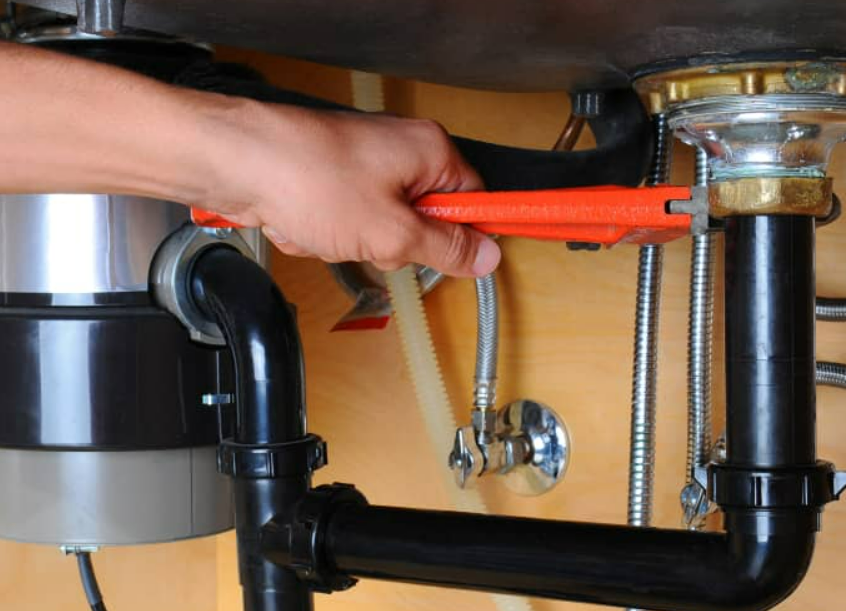
Place a bucket under the trap. Loosen the slip nuts by hand or with pliers. Dump the trap into the bucket. Clean the trap and the trap arm. Check the wall stub-out. If clogged, snake it. - Snake the line
Use a 15–25 ft hand auger. Feed slowly into the wall pipe. Rotate while feeding. When you hit resistance, crank to break through. Pull back, clean the cable, and repeat until clean. - Reassemble and test
Reinstall the trap with the washers seated right. Tighten by hand. Run cold water for one minute. Turn on the disposal. Check for leaks and smooth flow.
I’ve had clients say my sink is clogged and I have a garbage disposal after a big pasta night. Steps 3–5 clear that every time. Be patient and keep the setup tidy.
Best Way to Clean Quartz Countertops (2026) – Safe Methods
What not to do
Avoid these common mistakes. They can make the clog worse or damage the unit.
- Do not pour chemical drain cleaners. Manufacturer manuals warn they can corrode metal parts, soften PVC, and create heat. They also splash back during trap work.
- Do not grind grease, fat, or oil. These cool and stick to pipe walls.
- Do not put pasta, rice, coffee grounds, eggshells, or fibrous peels down the unit. They swell or mat up.
- Do not run hot water while grinding fat. Use cold water to keep grease solid so it moves out.
- Do not plunge without blocking the other drain on a double sink. You will just push water to the other side.
If your thought is my sink is clogged and I have a garbage disposal, skipping chemicals is the smartest choice. Your pipes will thank you later.
Tools and supplies you may need
Keep these simple tools on hand. They pay for themselves in one fix.
- Bucket and old towels for water and drips
- Hex key for the disposal and a flashlight
- Tongs or needle-nose pliers for safe debris removal
- Sink plunger, not a toilet plunger
- Adjustable pliers for slip nuts on the trap
- Hand auger, 15–25 ft
- Dish soap and white vinegar for cleanup and odor control
I keep a compact kit under my sink. When my sink is clogged and I have a garbage disposal, I can act fast and avoid a late-night store run.
When to call a pro
Some signs point to a bigger issue that needs a licensed plumber.
- Water backs up in other fixtures, like the tub, when you run the sink
- The disposal trips the breaker or leaks from the body
- You have old galvanized pipes with rust flakes in the trap
- Repeated clogs come back within days
- The dishwasher overflows into the sink or air gap
- You smell sewage from the drain or see black sludge
Most clogs clear with the steps above. But if you keep saying my sink is clogged and I have a garbage disposal after every weekend, the line may be undersized, bellied, or clogged deeper. A camera inspection can confirm it.
Simple habits that prevent clogs
A few small habits stop most problems before they start.
- Run cold water 30–60 seconds before and after grinding.
- Feed small amounts at a time. Let the grinder catch up.
- Scrape plates into the trash or compost first. The disposal is for residue.
- Flush weekly with hot water and a squirt of dish soap. This lifts grease film.
- Deodorize with baking soda and vinegar. Let it foam for a few minutes, then rinse with hot water. This helps with odor more than heavy clogs, but it keeps things fresh.
- Use a mesh sink strainer when not grinding. It catches rice and pasta.
- Once a month, grind a few ice cubes with cold water. This helps scour the chamber walls. It does not sharpen blades, but it reduces buildup.
If my sink is clogged and I have a garbage disposal becomes your frequent search, these habits will break that cycle.
Fast decision guide
Use these quick cues to pick the right fix.
- Disposal hums, no grind: Jam. Reset and free with hex key, then clear debris.
- Disposal silent: Check switch, outlet, GFCI, and reset button.
- Water drains slow, disposal runs fine: Plunge, then clean the P-trap.
- Water does not move at all: Block other bowl, plunge hard, then snake the wall line.
- Backup in both bowls and dishwasher: Likely beyond the trap. Snake or call a pro.
Many readers come here thinking my sink is clogged and I have a garbage disposal and leave with a clean drain in under an hour. Follow the flow above and you’ll do the same.
Frequently Asked Questions of my sink is clogged and i have a garbage disposal
Why does my disposal hum but not spin?
That sound means the motor is stuck. Use the hex key on the bottom to free it, remove debris with tongs, then press reset and retry.
Can I use Drano or chemical cleaners in a disposal?
It is not safe. Chemicals can damage parts, create heat, and splash back during trap work. Use mechanical methods instead.
Should I run hot or cold water with the disposal?
Use cold water while grinding to keep grease solid and moving. After you finish, flush with hot water for a minute to clear residue.
How do I plunge a sink with a disposal?
Use a sink plunger and block the other bowl with a wet towel. Plunge in short, firm bursts with a few inches of water covering the cup.
What foods should never go into a disposal?
Avoid grease, fat, oil, pasta, rice, coffee grounds, and fibrous peels like celery or onion skins. These swell, mat, or coat the pipes.
How do I know if the clog is past the trap?
If the trap is clean and water still backs up, the wall pipe is blocked. Run a 15–25 ft hand auger into the wall line.
Why does the dishwasher back up into the sink?
The branch line or air gap is clogged. Clear the trap and branch, and make sure the dishwasher hose has a proper high loop or air gap.
Conclusion
You do not need chemicals or costly service calls to clear most clogs. With a reset, a safe chamber check, a good plunge, and a clean trap, you can fix the issue fast and keep it from coming back. If you keep thinking my sink is clogged and I have a garbage disposal week after week, take that as a sign to inspect the line or call a pro.
Start with the steps in this guide today. Build the simple habits that protect your pipes for years. Want more practical home fixes? Subscribe, share your results, or drop your toughest question in the comments.