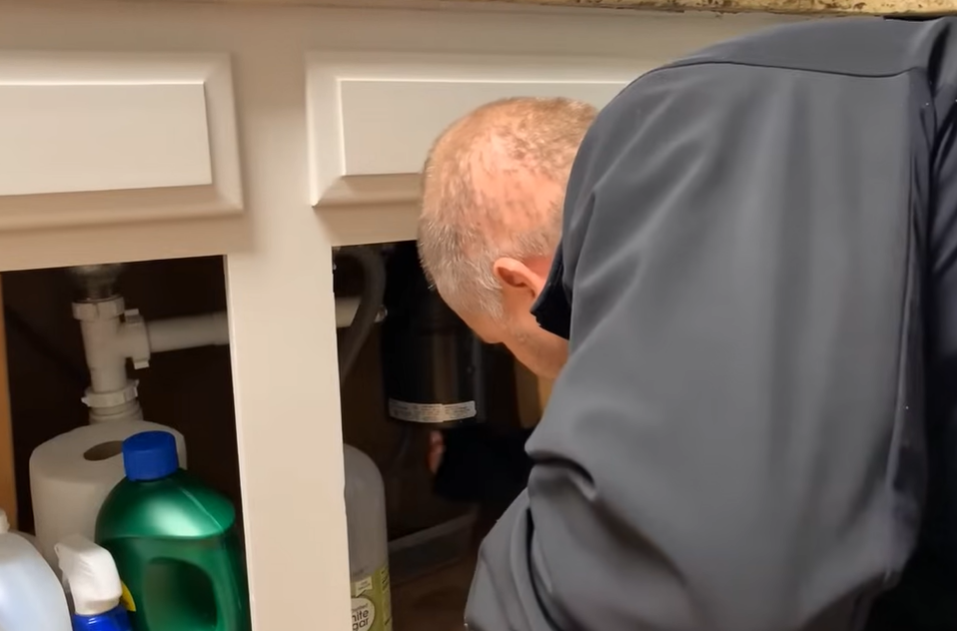
How To Unclog a Garbage Disposal With Standing Water?
To unclog a garbage disposal with standing water, first turn off the power and unplug the unit for safety. Scoop out excess water if possible, then use a plunger to create suction over the drain opening and dislodge the clog. If that doesn’t work, insert a hex key into the disposal’s reset slot underneath and turn it manually to free stuck debris. Once cleared, restore power and run cold water to flush the system and prevent future clogs.
Table of Contents
Cut power, remove debris with tongs, plunge, reset, and flush with hot water.
If your sink is full and your disposal won’t drain, you’re not alone. I’ve fixed dozens of these clogs in real homes. This guide shows exactly how to unclog a garbage disposal with standing water in a safe, simple way. You’ll learn what to check first, what to avoid, and the proven steps that work. By the end, you’ll know how to unclog a garbage disposal with standing water like a pro.
Best Disinfectant Cleaner for Quartz Countertops (2026) – Safe & Effective Products
Before you start: safety and smart prep
Your hands never go inside an active disposal. Treat it like a power tool. Safety comes first, then the fix.
Do this before any work:
- Unplug the disposal under the sink. Or switch off the breaker if it’s hardwired.
- Do not stick your hand inside the drain. Use tongs or pliers.
- Clear the sink rim and the area under the sink. You need space to work.
- Keep towels and a bucket nearby. Water may spill.
Tools and supplies that help:
- Long tongs, pliers, and a flashlight
- Rubber sink plunger
- 1/4-inch Allen (hex) wrench for the disposal’s bottom socket
- Bucket and gloves
- Dish soap, baking soda, and white vinegar
- Old toothbrush or small nylon brush
My field tip: If you wonder how to unclog a garbage disposal with standing water fast, gather tools first. It saves time when water is sitting in the sink.
Quick diagnosis: why there’s standing water
Standing water means something is blocked. It can be in the disposal, the trap, or beyond.
Common causes I see:
- Fibrous scraps like celery, corn husks, or onion skins wrap the impeller.
- Grease and fat cool and form a plug in the P-trap.
- Too much starch from rice or potato peels turns into paste.
- A foreign object drops in, like a spoon or bottle cap.
- The dishwasher knockout plug was never removed on a new install.
- The reset button popped after a jam or overload.
If you’re asking how to unclog a garbage disposal with standing water, the fix often starts with freeing the jam and clearing the trap.
Step-by-step: how to unclog a garbage disposal with standing water
To remove stains from laminate countertops, start by cleaning the surface with warm water and mild dish soap
Follow these steps in order. Most clogs clear in 30 to 60 minutes.
- Kill the power
- Unplug the unit or shut off the breaker.
- Confirm it’s off by trying the wall switch. It should not hum or spin.
- Remove visible debris with tongs
- Shine a light into the drain.
- Use long tongs to lift out peels, bones, or foreign items.
- Do not put your hand in. Ever.
- Plunge the sink
- If you have a double sink, seal the other drain with a wet cloth.
- Add enough water to cover the plunger cup.
- Plunge with firm, short strokes for 20 to 30 seconds.
- Lift the plunger and check the water level. Repeat a few times.
- Many clogs clear here. This is a key step in how to unclog a garbage disposal with standing water.
- Free the impeller from below
- Find the small hex socket on the bottom of the disposal.
- Insert the 1/4-inch Allen wrench and gently rock it back and forth.
- You are turning the flywheel by hand to loosen a jam.
- Remove any freed debris from the drain with tongs.
- Use a safe cleaning reaction
- Pour 1/2 cup baking soda into the drain.
- Add 1 cup white vinegar. Let it fizz for 10 minutes.
- This helps break up light gunk. It is safe for metal parts.
- Do not use harsh chemical drain openers. They can harm the disposal and pipes.
- Clean the P-trap if water still stands
- Place a bucket under the P-trap (the U-shaped pipe).
- Loosen the slip nuts by hand or with pliers. Remove the trap.
- Dump the contents into the bucket. Clean with a brush and soapy water.
- Check the horizontal pipe and wall fitting for clogs. Clear them too.
- Reassemble and hand-tighten the nuts. Do not over-tighten.
- Check the dishwasher connection
- If a new disposal was installed, make sure the dishwasher knockout plug was removed.
- Remove the hose and look into the port. If the plug is there, follow the manual to knock it out safely.
- Reset and test
- Press the small red reset button on the bottom of the unit.
- Restore power. Run cold water.
- Turn on the disposal. It should spin. If it hums only, cut power and free the jam again.
- Flush with hot water and soap
- Run hot water for 2 minutes with a bit of dish soap.
- This final flush moves out loosened grease and residue.
- Now you know how to unclog a garbage disposal with standing water and finish clean.
Pro insight: A steady hum with no spin means a jam or a failing motor. If freeing the flywheel does not help, stop and call a pro.
When to stop and call a professional
DIY has limits. Stop and get help if you see:
- Burnt smell, smoke, or scorch marks
- Repeated breaker trips or sparks
- Leaks from the body of the unit, not just a loose pipe nut
- A cracked housing or rusted-through chamber
- The flywheel will not turn even with the hex wrench
- You cleared it, but water still backs up into other fixtures
If you are unsure how to unclog a garbage disposal with standing water safely, it’s smart to call a licensed plumber. A quick call can prevent pipe damage or injury.
Smart habits to prevent future clogs
A few simple habits stop most clogs. This is the part many skip.
Do this every time:
- Run cold water before, during, and 20 seconds after grinding.
- Feed small amounts of food at a time. Keep the sound even.
- Use the disposal only for soft scraps. Trash big or hard items.
Avoid these clog-makers:
- Grease, oils, and fats
- Large amounts of rice, pasta, or potato peels
- Fibrous peels like celery, artichokes, or corn husks
- Coffee grounds in large amounts
- Eggshells if they build up like paste
Monthly care that works:
- Grind a cup of ice and a spoon of coarse salt to scrub the chamber.
- Rinse with hot water and a drop of dish soap.
- Freshen with a small strip of citrus peel. Avoid bleach.
This is how to unclog a garbage disposal with standing water less often: avoid what causes it in the first place.
Troubleshooting after you clear the clog
If water drains but something feels off, check these:
- Slow but steady drain
- Run a long hot-water flush. Check that the P-trap is seated and not sagging.
- Look for a partial clog in the wall pipe. A small drain snake can help.
- Humming sound returns
- Cut power and free the flywheel with the hex wrench again.
- A hard item may still be stuck. Use tongs and a flashlight.
- Bad smells
- Clean the splash guard with a brush and soap. Gunk hides under the flaps.
- Use baking soda and vinegar again. Flush hot water.
- Dishwasher backup into the sink
- Check the air gap or high loop. Make sure the hose is not kinked.
- Confirm the dishwasher knockout plug was removed.
Knowing how to unclog a garbage disposal with standing water is great. Making sure it stays clear is even better.
Time, cost, and what to expect
Most clogs clear in under an hour. Many take 20 to 30 minutes.
What you might spend:
- Baking soda, vinegar, and basic tools are low cost.
- A new P-trap gasket or slip nut is only a few dollars.
- A service call can range more, especially for severe jams or pipe issues.
If you value your time, weigh the cost of DIY vs. a quick pro visit. Still, learning how to unclog a garbage disposal with standing water pays off for years.
Frequently Asked Questions of How to unclog a garbage disposal with standing water
Is it safe to use chemical drain cleaners in a disposal?
No. Strong chemicals can harm seals, metal parts, and pipes. Use baking soda and vinegar, then plunge, or clean the P-trap.
Why does my disposal hum but not spin?
The impeller is likely jammed. Cut power, free the flywheel with the hex wrench, clear debris with tongs, then press the reset button.
Can I plunge a sink with a disposal?
Yes. Use a sink plunger, not a toilet plunger. Seal the other drain if you have a double sink and plunge with short, firm strokes.
Do I need to remove the P-trap every time?
Not always. Try tongs, plunging, and the hex wrench first. If water still stands, cleaning the P-trap is the next best step.
Should I run hot or cold water during grinding?
Run cold water during grinding to keep grease solid so it moves through. Do a hot-water flush after you finish.
What foods are most likely to clog a disposal?
Grease, large amounts of starches, and fibrous peels are the top issues. These glue up the trap or wrap the impeller.
Conclusion
You now know how to unclog a garbage disposal with standing water step by step. Cut power, clear debris with tongs, plunge, free the flywheel, clean the P-trap, and reset. These simple moves solve most clogs fast.
Practice the habits that prevent clogs, and your sink will stay clear. If you hit a wall or see warning signs, call a pro before damage grows. Try the steps today, and share your results or questions in the comments—your experience can help someone else.