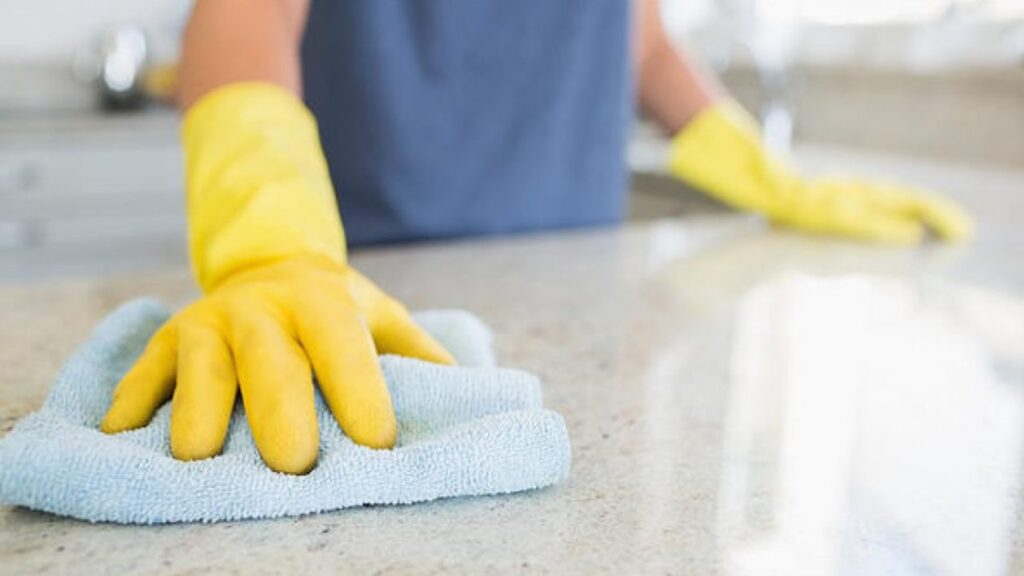
Fill, heat, and glide—steam melts grease, sanitizes, and refreshes every surface. Start with one zone today, build confidence, and enjoy the momentum.
If you want a chemical-free way to make your kitchen shine, you’re in the right place. I’ve spent years showing clients how to steam clean a kitchen safely, fast, and with pro-level results. This guide breaks down the science, the tools, the steps, and the real-world tips you need to master how to steam clean a kitchen—without guesswork or gimmicks.
Why steam cleaning works in kitchens
Steam cleaning uses superheated water vapor to loosen grease, lift stuck-on food, and reduce common kitchen germs on hard, nonporous surfaces. At around 212°F and above, steam softens grime so you can wipe it away in seconds. With proper dwell time and technique, it can sanitize many surfaces without added chemicals.
In busy kitchens, that means less scrubbing and fewer fumes. It also means safer prep areas, cleaner floors, and fresher air. If you’ve wondered how to steam clean a kitchen with less effort, the secret is using heat plus contact time, then following with a clean wipe.
8 Best Steam Cleaner For Commercial Kitchen: Restaurant & Home Deep Cleaning
Tools and supplies you’ll need
Choose the right gear before you start. It makes a big difference in how to steam clean a kitchen well.
- A steam cleaner you trust. Handheld units are nimble for crevices. Canister models have stronger, longer steam for big jobs. Steam mops are great for floors.
- Attachments. Nylon brush, brass brush for bare metal, scraper, squeegee, angle nozzle, grout brush, fabric pad, and extension wands.
- Distilled water. It reduces mineral buildup and helps your steamer last.
- Microfiber cloths. Use color-coding for food zones, floors, and appliances.
- A mild degreaser. Use only when needed for heavy, baked-on grease before steaming.
- Safety gear. Heat-resistant gloves and eye protection for close-up work.
Pro tip from the field: if you plan how to steam clean a kitchen in one go, have at least 8–10 microfiber cloths ready. Clean cloths prevent streaks and re-depositing grease.
Safety and surface compatibility
Steam is powerful. Use it smart to protect finishes while you learn how to steam clean a kitchen like a pro.
- Avoid unsealed or waxed wood. Steam can warp or dull the finish.
- Be careful on natural stone. Use only on sealed granite, marble, or travertine, and keep the nozzle moving. Test a small spot first.
- Watch for heat-sensitive glues and seals. Cabinet edges, fridge gaskets, and appliance labels can loosen with direct, prolonged steam.
- Don’t blast electronics. Control panels, touchscreens, and vented areas need light passes or a cloth-on-steam approach.
- Prevent thermal shock. Let cold glass or tile warm up with gentle, short passes before applying full steam.
Evidence-based note: Steam can reduce bacteria when used with enough heat and dwell time on hard, nonporous surfaces. It is not a registered disinfectant. For raw-meat zones or illness cleanup, follow public health guidance and use an approved disinfectant after cleaning.

Step-by-step: how to steam clean a kitchen
Follow this plan to learn how to steam clean a kitchen end to end with less effort.
- Prep and declutter
- Clear counters, sink, and stovetop. Shake out mats.
- Dust or vacuum first. Dry debris turns to muddy paste under steam.
- Pre-treat tough grease
- Spray a light degreaser on the range hood, stove grates, and oven door.
- Let it sit 5–10 minutes while you set up your steamer.
- Set up the steamer
- Fill with distilled water and heat until pressure is ready.
- Start with a low to medium steam setting to test surfaces.
- Work high to low
- Begin with the range hood and upper cabinets, then backsplashes, counters, appliances, sink, lower cabinets, and floors last.
- This order captures drips and dust as you go.
- Use the right attachment
- Angle nozzle for seams and edges.
- Nylon brush for heavy grime on metal racks.
- Flat pad for large surfaces.
- Grout brush for lines and corners.
- Steam, dwell, and wipe
- Pass the nozzle slowly to allow heat to work.
- Wipe immediately with a clean microfiber to lift loosened soil.
- Flip or swap cloths often to prevent streaks.
- Finish the floors
- Vacuum or sweep again if needed.
- Use a steam mop with a clean pad. Move in overlapping passes.
- Let floors dry before replacing mats or furniture.
- Final shine
- Buff stainless steel with a dry cloth in the grain direction.
- Check touch points like handles and switches. Quick, gentle passes leave them spotless.
This workflow is the backbone of how to steam clean a kitchen quickly and well. Once you practice it a few times, the whole process becomes fast and almost effortless.
Surface-by-surface guide
Use these pro notes to master how to steam clean a kitchen on every common surface.
Countertops
- Quartz and sealed granite or marble. Keep the nozzle moving. Use a flat pad and wipe dry right away.
- Laminate and solid surface. Light steam with quick passes prevents swelling or haze.
Cabinets
- Painted or laminate fronts. Low steam, cloth barrier, and short passes. Focus on pulls and edges.
- Wood cabinets. Only if sealed well. Test first and avoid panel seams.
Stove and oven
- Grates and burners. Pre-treat, then nylon brush plus steam. Rinse and dry.
- Oven door glass. Steam, then scrape baked-on spots with a plastic scraper.
- Inside oven. Use steam on warm (not hot) surfaces. Avoid direct steam at the fan or electronics.
Range hood and filters
- Hood surface. Angle nozzle, then wipe in long strokes.
- Metal filters. Remove, steam both sides, then rinse and dry. Heavy grease may need a soak.
Sink, faucet, and disposal
- Drain and strainer. Direct steam breaks biofilm and odors.
- Faucet base and aerator. Short bursts with the angle nozzle, then wipe dry to prevent water spots.
Refrigerator and microwave
- Gaskets. Low steam with a cloth barrier. Wipe dry to protect seals.
- Shelves and walls. Flat pad, quick passes, then a dry wipe.
- Control panels. Never direct steam. Steam a cloth, then wipe.
Backsplash and grout
- Ceramic or glass tile. Grout brush with steady passes. Wipe the slurry right away.
- Natural stone. Only if sealed. Use lower steam and dry fast.
Floors
- Tile. Medium steam with clean pads. Change pads as they gray.
- Vinyl plank and sealed wood. Lowest steam setting, fast passes, and dry immediately.
If you’re still wondering how to steam clean a kitchen that has years of sticky buildup, repeat short dwell-and-wipe cycles instead of one long blast. Patience protects finishes and gives far better results.
:strip_icc()/GettyImages-2197456428-8ab6c09a7ad944fab5399094e3eafcbd.png)
Troubleshooting, mistakes to avoid, and pro tips
Here’s what I’ve learned from real kitchens and real messes while teaching people how to steam clean a kitchen.
Mistakes to avoid
- Over-saturating wood or laminate. It can swell or haze. Use less steam and wipe fast.
- Attacking seals and labels. Turn down the steam and keep the nozzle moving.
- Skipping the wipe step. Steam lifts soil, but the cloth removes it.
- Using tap water. Minerals cause streaks and scale buildup in your machine.
Troubleshooting
- Streaky stainless steel. Use a fresh cloth, wipe with the grain, then buff dry.
- Cloudy stone. Check the seal. Use lower steam, then reseal if water no longer beads.
- Weak steam output. Descale the unit and check for kinked hoses or clogged tips.
Pro tips from the field
- Two-cloth method. One cloth for initial wipe, one for final buff. Faster and cleaner.
- Micro-movements. Small circles with a nylon brush beat long, forceful scrubs.
- Timer trick. Count three to five seconds per pass for greasy spots, then wipe.
These small tweaks turn a good job into a great one and refine how to steam clean a kitchen like a seasoned pro.
Eco benefits, health wins, and real limits
Why many people choose steam
- Fewer chemicals in the air and on prep surfaces.
- Less plastic waste from single-use cleaners.
- Heat helps reduce common bacteria on hard, nonporous surfaces with proper technique.
Real limits to know
- Not a registered disinfectant. For raw meat spills or illness, clean first, then disinfect as directed by health guidance.
- Not for every surface. Unsealed wood, heat-sensitive finishes, and damaged grout need care.
- Heavy carbon buildup still needs scraping or oven-specific methods.
If your aim is a clean, safe kitchen without harsh fumes, learning how to steam clean a kitchen offers a strong balance of results and responsibility.
Care and maintenance for your steam cleaner
A well-cared-for steamer makes it easier to keep up with how to steam clean a kitchen week after week.
- Empty and air-dry the tank after use.
- Descale as recommended, based on water hardness and usage.
- Clean or replace filters and brushes.
- Store with the cord and hose relaxed, not kinked.
- Keep extra pads and cloths on hand so you never delay a clean.
With simple upkeep, your steamer will deliver steady pressure and fewer streaks, making how to steam clean a kitchen faster every time.
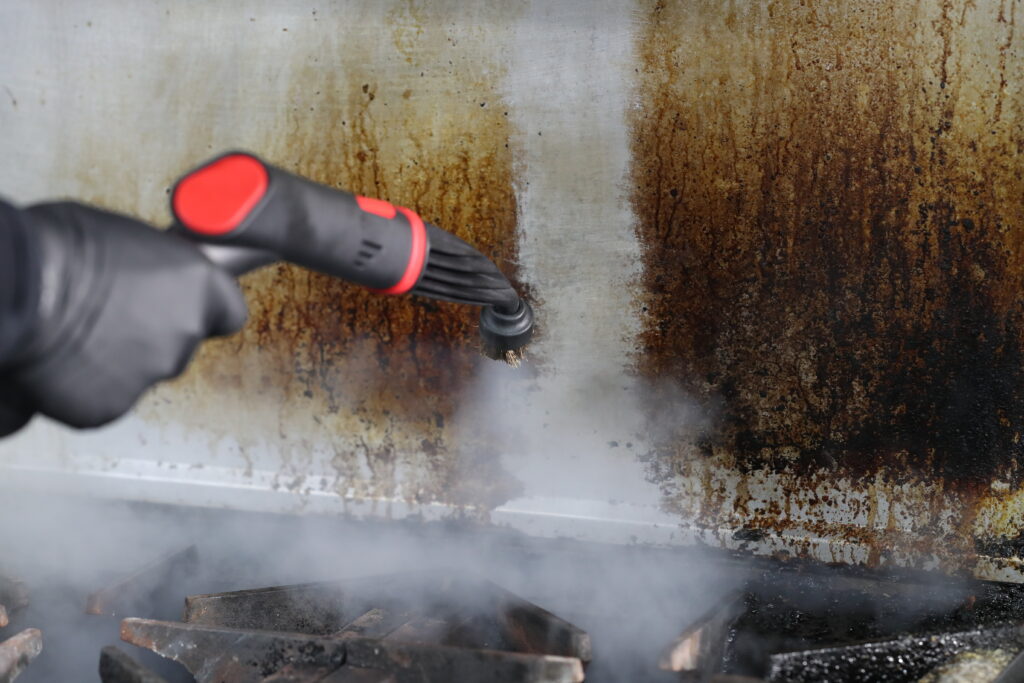
Frequently Asked Questions of how to steam clean a kitchen
Is steam cleaning safe for granite countertops?
Yes, if the granite is sealed and you use light, moving passes. Wipe dry right after to prevent mineral spots and check the seal yearly.
Does steam cleaning sanitize kitchen surfaces?
Steam can reduce common bacteria on hard, nonporous surfaces with enough heat and dwell time. For full disinfection needs, follow a registered disinfectant’s label after cleaning.
Can I steam clean kitchen cabinets without damage?
You can, using low steam, quick passes, and a cloth barrier. Avoid seams and test a small, hidden area first.
How often should I steam clean a kitchen?
Do a light steam clean weekly for touch points and floors. Schedule a deeper session monthly to tackle grout lines, filters, and appliance interiors.
Will steam remove sticky grease on the hood and filters?
Yes, especially if you pre-treat with a mild degreaser. Steam loosens the film, and a nylon brush plus a thorough wipe finishes the job.
Can I use tap water in my steam cleaner?
You can, but it may cause scale and streaks. Distilled water protects the machine and gives cleaner results.
Is steam safe for vinyl plank or engineered wood floors?
Use the lowest setting and fast passes with a clean pad. Always test a small area and follow the flooring manufacturer’s care guide.
Conclusion
Steam brings speed and simplicity to kitchen care. With the right tools, smart safety steps, and a clear workflow, you now know exactly how to steam clean a kitchen so it looks, smells, and feels fresh—with less scrubbing and fewer chemicals.