Keep tanks full, shield from wind, upsize or insulate, and use rated heat blankets.
If winter stalls your grill, heater, or generator, you are not alone. I’ve supported cabins, food trucks, and off-grid homes through polar blasts, and the same problem repeats: cold drops tank pressure and ice forms on valves and regulators. This guide shows how to keep a propane tank from freezing with safe, proven methods that match real-world loads and local codes. Stick with me, and you’ll learn how to keep a propane tank from freezing the right way, with simple steps you can do today.

How propane “freezes” and why it happens
Propane itself does not freeze in normal winter weather. It becomes a liquid at tank pressure and needs heat to boil into vapor. The boiling point is about -44°F, so the real issue is low pressure and ice on parts.
Here is what causes trouble:
- Low outdoor temperature reduces tank pressure and vapor output.
- High demand pulls heat from the liquid faster than the tank can absorb it.
- Moisture in the regulator or lines can turn to ice and block flow.
- Wind strips heat from the tank and speeds icing on the shell and valves.
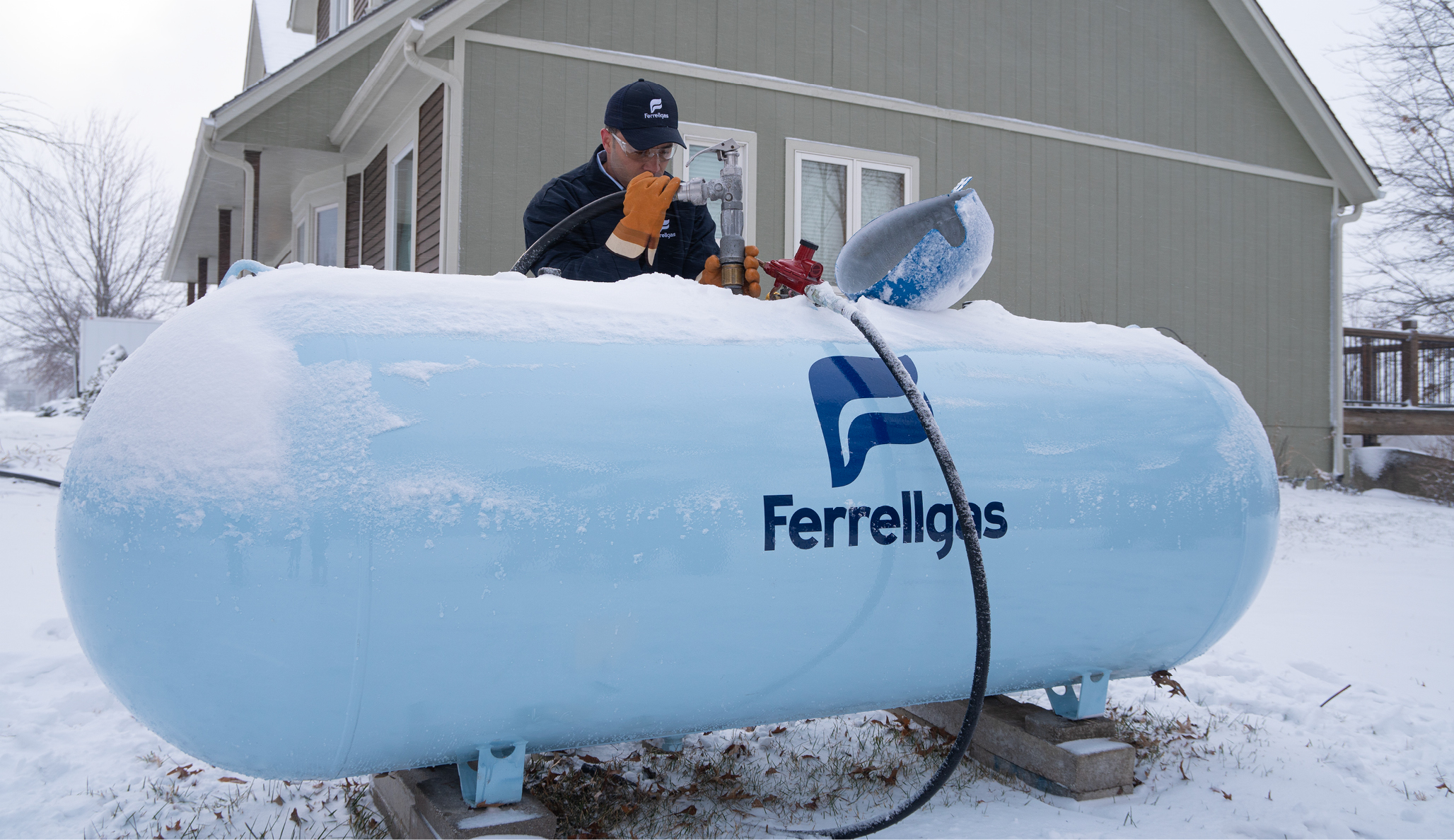
You may see a frost line on the tank. That line shows the liquid level and heavy vaporization below it. If the line creeps across the valve or regulator, expect weak flames, sputtering burners, or appliance lockouts.
Key safety point: ice is a symptom. The fix is better vaporization, correct sizing, and dry, code-compliant gear. I follow industry standards such as recognized fuel gas codes and NFPA 58 when advising clients on how to keep a propane tank from freezing.
Can You Use A 20 Lb Propane Tank Indoors: Avoid a Major Hazard
The short list: how to keep a propane tank from freezing today
Use these steps in order. They work at homes, cabins, job sites, and food trucks.
- Keep the tank between 30% and 80% full. More liquid surface area means more vapor.
- Up-size the tank or manifold two cylinders. Larger surface area gives higher vapor rate.
- Shield from wind with a vented, non-combustible screen. Wind increases heat loss.
- Raise the tank off frozen ground with a stable, non-absorbing base.
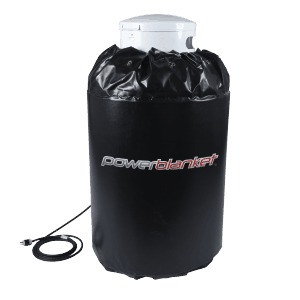
- Use a listed propane tank heater blanket rated for hazardous locations. Never use open flames or unlisted heat sources.
- Clear snow and ice gently with a soft brush. Keep regulator vents and relief valves open and dry.
- Reduce demand during cold snaps. Stagger appliances or use backup heat.
- Keep the regulator dry and upright with the vent facing down. Add a vent cover per the manufacturer.
- Ask your supplier about moisture control and methanol treatment at the bulk plant if wet gas is suspected.
- For food trucks and high-demand tools, consider switching to a larger stationary tank for winter.
These steps are the backbone of how to keep a propane tank from freezing. Small changes in setup often fix big performance drops.

Match demand to weather: sizing and flow that actually works
The colder it gets, the less vapor a tank can supply. Size the tank for your BTU needs at your lowest expected temperature.
What to do:
- Add up BTU input on all appliances that could run at once.
- Check a propane vaporization chart from your supplier for your tank size and temperature.
- If vapor capacity is short, increase tank size, manifold cylinders, or reduce concurrent loads.
Example from my files:
- A cabin heater and water heater together drew about 140,000 BTU/hr at 0°F.
- A single 100 lb cylinder could not keep up. Pressure sagged and frost grew fast.
- We moved to a 250-gallon tank and set a two-stage regulator system. No more lockouts.
Tips that help:
- Two-stage regulation (first-stage at the tank, second-stage at the building) keeps stable pressure.
- For very high draw, manifold two or more cylinders with an automatic changeover regulator.
- Never mix cylinder sizes on one manifold.
- Liquid withdrawal systems are for specific equipment with the right safety gear. Do not improvise.
This approach is the practical heart of how to keep a propane tank from freezing in deep cold.
Placement, shelter, and the right environment
Good placement helps the tank trade heat with the air. Think of the tank as a radiator in reverse.
Best practices:
- Place the tank on a firm, level base that drains, such as concrete pads or compacted gravel.
- Let sun reach the tank when possible. Gentle daytime warming helps.
- Use a ventilated, non-flammable wind screen. Never seal the tank in an airtight box.
- Keep clearances that meet local codes and NFPA 58. Follow distances from buildings, ignition sources, and openings.
- Avoid roof snow dumps that can strike the tank, regulators, or piping.
- Label and protect the regulator. Keep the vent pointing down and clear.
Done right, simple placement choices lower icing risk without extra hardware.
Safe ways to add heat without risk
Adding heat can work, but only if it is rated and installed right. Safety first.
Use only:
- Listed propane tank heater blankets designed for hazardous locations.
- Heat trace and insulation on exposed piping and regulators that carry the correct ratings.
- Thermostats and GFCI protection as required by the manufacturer.
Avoid at all costs:
- Open flames, torches, space heaters, or grills near a tank.
- Unlisted electric pads, automotive heaters, or DIY wraps.
- Covering the relief valve, gauge, or regulator vents with insulation.
If you rent or buy a tank blanket, check the label for class/division ratings. This single step is a make-or-break rule in how to keep a propane tank from freezing safely.
Keep moisture out: regulators, lines, and fuel quality
Ice in a regulator can stop gas like a cork. Keep it dry and healthy.
What I do for clients:
- Replace old regulators by age per manufacturer guidance, often around 15 years.
- Install regulator covers and orient vents down. Add insect screens when listed.
- Use dielectric grease on pigtail threads where specified to block water intrusion.
- Ask the supplier to test and treat wet gas at the plant if freeze-ups repeat.
- Leak-check with a bubble solution after any service. Do not use open flames.
Dry parts and quality fuel are core to how to keep a propane tank from freezing and your appliances running.

Troubleshooting and what to do in a freeze-up
Know the signs:
- Weak or yellow flames, burner cycling, or appliance fault codes.
- Frost spreading across the valve or regulator.
- Sudden pressure drop on the gauge.
Do this first:
- Turn off high-demand appliances to let the tank recover.
- Check that the regulator vent is clear and dry.
- Brush off snow and ice. Do not chip or bang on parts.
- If you have a listed tank blanket, turn it on as directed.
- Call your propane supplier if problems persist.
Never bring a cylinder or tank indoors to warm it. That is a fire and carbon monoxide risk. If you smell gas, shut the service valve, leave the area, and contact your supplier or emergency services.
Quick answers you might be asking:
- Does wind chill freeze tanks? Wind chill does not apply to metal, but wind strips heat faster and causes more icing.
- Can I pour warm water on a regulator? No. You can crack parts and trap moisture that will refreeze.
- Will a bigger tank really help? Yes. More surface area means more vapor at the same temperature.
These habits save appliances and prevent downtime, which is the real goal of how to keep a propane tank from freezing when it matters.

Field notes: what has worked for me in real winters
Cabin in Minnesota:
- At -15°F, a 100 lb cylinder iced every morning. We upsized to a 250-gallon tank, added a listed blanket, and set a wind screen with open sides. The system ran steady for the rest of winter.
Food truck on a cold snap:
- Dual 40 lb cylinders starved at lunch rush. We added an automatic changeover regulator, placed cylinders on a dry platform, and used a tented, ventilated shield. We also staged cooking gear to avoid peak draw. No more mid-service flameouts.
Ice storm generator:
- A client wrapped the regulator with a household heating pad. It tripped the GFCI and left moisture trapped. We removed it, dried the vent, installed heat trace rated for gas service, and added a regulator cover. The generator held rated output after that.
Mistakes to avoid:
- Wrapping the valve and regulator with an airtight tarp.
- Storing cylinders on frozen mud that holds water against the base.
- Ignoring old regulators with failing diaphragms.
These real cases shape how to keep a propane tank from freezing in ways that last beyond one storm.
Your cold-weather propane checklist
Before winter:
- Service regulators, pigtails, and fittings. Replace aging parts.
- Confirm tank size matches BTU demand at your coldest design day.
- Order fuel early and keep the tank between 30% and 80% full.
- Set a ventilated wind screen and clear drainage under the tank.
During cold snaps:
- Stagger appliance use when you can.
- Brush off snow and keep vents clear.
- Turn on listed tank blankets or heat trace when needed.
- Watch for frost lines and weak flames. Act early.
After storms:
- Inspect for ice damage and bent piping.
- Leak-check exposed joints.
- Debrief demand peaks and plan upgrades if you hit limits.
Make this routine part of how to keep a propane tank from freezing every season.
Frequently Asked Questions of how to keep a propane tank from freezing
What temperature does propane stop working?
Propane boils at about -44°F, but pressure gets low well above that point. Many systems struggle below 20°F if the tank is small or the demand is high.
Can I store a propane tank in a garage to keep it warm?
Do not store tanks in a closed garage or indoors. Keep them outdoors, upright, and in a ventilated area per code.
Will hot water help thaw a frozen regulator?
Do not pour hot water on a regulator or valve. It can refreeze, crack parts, and push water into the vent.
Are electric heating pads safe on a propane tank?
Only use heating products listed for hazardous locations and for propane tanks. Household pads and DIY wraps are unsafe and can cause fires.
Is a bigger tank always better for winter?
A larger tank gives more vapor at low temperatures, which helps a lot. Still match the size to your real BTU load and local climate.
Why does my tank frost more when I run two appliances?
Higher draw pulls more heat from the liquid, which cools the tank and makes frost. Stagger use or upsize the tank or manifold.
How often should I replace my regulator?
Follow the manufacturer’s service life, often about 15 years, or sooner if damaged. Regular inspections keep moisture and freeze-ups away.
Conclusion
Cold weather does not have to shut down your heat, grill, or generator. Keep the tank fuller, block the wind, use listed heat, size for your BTU load, and keep regulators dry. These simple steps are the core of how to keep a propane tank from freezing in the real world.
Take one action today. Check your tank size and regulator, and set a plan for the next cold snap. Want more tips like this? Subscribe, share your setup in the comments, and I’ll help you tailor a winter-ready plan.