The culinary world is a vast landscape, filled with an array of tools designed to transform raw ingredients into delicious meals. Among the most fundamental and versatile are pots and Dutch ovens. While both serve the primary purpose of cooking in liquid, their designs, materials, and optimal uses create distinct advantages and disadvantages.
These differences is crucial for any home cook or professional chef aiming to enhance their kitchen repertoire and achieve specific cooking outcomes. This comprehensive guide will explore the nuances of Dutch ovens versus pots, helping you discern which vessel is best suited for your culinary endeavors.
Key Takeaways
- Dutch Ovens are heavy, lidded pots, typically made of cast iron (enameled or raw), known for superior heat retention and even heating, making them ideal for slow cooking, braising, frying, baking, and stews.
- Pots are a broader category, generally lighter, and made from various materials like stainless steel, aluminum, or copper. They are best suited for boiling, simmering, steaming, and sauces where precise temperature control and quick heating are beneficial.
- Heat Retention & Distribution: Dutch ovens excel at retaining and distributing heat evenly, crucial for achieving tender braises and consistent baking. Pots generally heat up faster but lose heat more quickly.
- Versatility: Dutch ovens are incredibly versatile, capable of performing a wide range of cooking tasks, including baking bread. Standard pots are more specialized for liquid-based cooking.
- Material Matters: The material significantly impacts a pot or Dutch oven’s performance. Enameled cast iron offers a non-reactive surface and ease of cleaning, while raw cast iron requires seasoning. Stainless steel is durable and non-reactive, while aluminum offers excellent heat conductivity.
- Lid Design: Dutch oven lids are heavy and designed to trap moisture, facilitating slow cooking. Pot lids are often lighter and may not seal as tightly, allowing for more steam escape.
- Budget & Durability: Dutch ovens, especially high-quality enameled cast iron models, represent a significant investment but are extremely durable and can last a lifetime. Pots vary widely in price and durability depending on material and construction.
Understanding The Dutch Oven: A Culinary Workhorse
The Dutch oven is a distinctive piece of cookware, instantly recognizable by its heavy construction and tight-fitting lid. At its core, it is a thick-walled pot, most commonly crafted from cast iron. This material choice is fundamental to its performance, providing exceptional heat retention and distribution. Think of it as a thermal battery, absorbing heat slowly and then releasing it evenly over an extended period. This characteristic is precisely what makes it a champion for slow, moist-heat cooking methods like braising and stewing.
The Anatomy Of A Dutch Oven
A typical Dutch oven consists of two main parts: the pot itself and its lid. The pot usually features two robust handles, designed to bear the significant weight of the vessel, especially when filled with food and liquid. The lid is equally substantial, often designed with a lipped edge that fits snugly over the pot’s rim. This tight seal is critical for trapping steam and moisture inside, creating a self-basting environment that keeps food tender and flavorful during long cooking times. Some lids are also designed with condensation bumps on the underside, which help to evenly distribute the released moisture back onto the food.
Materials And Their Impact
Cast Iron is the quintessential material for Dutch ovens. It can be found in two main forms:
- Raw Cast Iron: This is the traditional form. It’s incredibly durable and develops a natural non-stick patina with proper seasoning and use. However, it requires regular maintenance, including seasoning after each use and careful drying to prevent rust. It can also react with acidic foods, potentially imparting a metallic taste.
- Enameled Cast Iron: This is the more common type found in modern kitchens. A layer of enamel coating is fused to the cast iron, creating a smooth, non-reactive surface. This makes it easier to clean, resistant to rust, and suitable for cooking acidic ingredients like tomatoes or wine. While it retains heat exceptionally well, the enamel can chip if subjected to extreme temperature shock or rough handling.
Other materials are sometimes used for oven-safe pots that mimic some Dutch oven functions, but true Dutch ovens are almost exclusively cast iron.
The Dutch Oven’s Culinary Strengths
The unique properties of the Dutch oven lend themselves to a specific set of culinary tasks:
- Braising: This is arguably the Dutch oven’s signature dish. By searing meats in the pot and then slow-cooking them in a flavorful liquid, the even, sustained heat tenderizes tough cuts of meat beautifully.
- Stewing: Similar to braising, stews benefit immensely from the Dutch oven’s ability to maintain a consistent, low temperature, allowing flavors to meld and ingredients to soften without drying out.
- Soups: For rich, hearty soups that require long simmering, the Dutch oven is unparalleled.
- Frying: Its heavy base and excellent heat retention make it a stable platform for deep-frying, providing a consistent oil temperature.
- Baking: Many bakers swear by the Dutch oven for creating artisan bread with a perfectly crisp crust, as the enclosed environment mimics a professional steam oven.
- Roasting: While not its primary function, larger Dutch ovens can be used for roasting smaller cuts of meat or poultry.
Exploring The World Of Pots: Versatility And Variety
The term “pot” is a broad category encompassing a wide variety of cookware designed for cooking, primarily in liquid. Unlike the specialized nature of a Dutch oven, pots come in numerous shapes, sizes, and materials, each suited for different cooking techniques. From a slender stockpot to a wide sauté pan, the diversity of pots reflects the diverse needs of the kitchen.
The Diverse Landscape Of Pot Materials
The material of a pot significantly influences its cooking performance, including how quickly it heats up, how evenly it distributes heat, and its durability.
- Stainless Steel: A popular choice due to its durability, non-reactivity, and ease of maintenance. However, stainless steel alone is not an excellent heat conductor. To compensate, many stainless steel pots feature a core or base made of aluminum or copper, which are superior heat conductors. This layered construction offers a good balance of performance and practicality.
- Aluminum: Known for its exceptional heat conductivity, aluminum heats up quickly and evenly. However, it is a reactive material, meaning it can interact with acidic foods and impart a metallic taste. Anodized aluminum pots undergo a process that hardens the surface and makes it non-reactive, offering the benefits of aluminum’s conductivity without the reactivity issue. Aluminum is also lighter than cast iron or stainless steel.
- Copper: Considered the gold standard for heat conductivity and responsiveness. Copper heats up almost instantaneously and distributes heat with unparalleled evenness. This makes it ideal for delicate tasks like making sauces or candy. However, copper is reactive and expensive. Most copper cookware has a stainless steel lining to make it non-reactive and easier to clean.
- Non-stick Coatings: Many pots, particularly those made of aluminum or stainless steel, feature non-stick coatings (like Teflon or ceramic). These are excellent for cooking delicate foods like eggs or fish, preventing sticking and making cleanup easier. However, the coatings can degrade over time, especially with high heat or abrasive cleaning, and are generally not recommended for high-heat searing or use with metal utensils.
Common Types Of Pots And Their Uses
The variety of pots means there’s a specific tool for almost any cooking task:
- Saucepans: Typically feature high, straight sides and a long handle. They are ideal for heating liquids, making sauces, simmering, and reheating. Sizes vary, from small (1-2 quart) for melting butter to larger (4-6 quart) for cooking grains or soups.
- Stockpots (or Stockausers): These are large, tall pots with straight sides and two loop handles. They are designed for making large batches of stock, boiling pasta, blanching vegetables, or cooking large quantities of soup. Their height minimizes evaporation.
- Sauté Pans: Characterized by straight, relatively high sides and a long handle, similar to a saucepan but often wider. They are designed for sautéing foods that may release liquid, allowing that liquid to evaporate more quickly than in a saucepan due to the wider surface area. They can also be used for pan-frying and making pan sauces.
- Frying Pans (Skillets): Feature sloped sides and a long handle. Their shape is ideal for frying, searing, and flipping foods, allowing ingredients to be easily tossed or turned.
- Dutch Ovens (as a subcategory of Pots): While we are contrasting Dutch ovens *with* pots, it’s important to note that a Dutch oven is technically a type of pot. However, its specific construction and material place it in a distinct category for most culinary discussions.
The Advantages Of Standard Pots
Standard pots offer several advantages over Dutch ovens, particularly when specific cooking methods are prioritized:
- Faster Heating: Materials like aluminum and copper heat up much faster than cast iron, allowing for quicker meal preparation when boiling water or starting a quick sauté.
- Greater Responsiveness: Pots made from conductive materials can change temperature more rapidly in response to heat adjustments, which is crucial for delicate cooking like making custards or reducing sauces.
- Lighter Weight: Most pots are significantly lighter than Dutch ovens, making them easier to handle, especially when full.
- Wider Variety of Sizes and Shapes: The market offers an extensive range of pots to suit every conceivable culinary need, from tiny saucepans to massive stockpots.
- Cost-Effectiveness: While high-end copper or multi-ply stainless steel pots can be expensive, many basic pots are considerably more affordable than a quality Dutch oven.
Dutch Oven Vs. Pot: A Direct Comparison
When deciding between a Dutch oven and a standard pot, the choice hinges on the primary cooking methods you intend to employ. Their fundamental differences lie in heat retention, distribution, material, and lid design, all of which dictate their optimal uses.
Heat Retention And Distribution
This is perhaps the most significant differentiator.
- Dutch Oven: Its heavy cast iron construction provides superior heat retention. Once hot, it stays hot, releasing heat slowly and evenly. This is critical for tenderizing meats through braising or ensuring a consistent temperature for baking. The even distribution prevents hot spots, leading to uniformly cooked food.
- Pot: Most pots, especially those made of stainless steel or aluminum, heat up much faster but also lose heat more quickly. While layered stainless steel or copper-lined pots offer better heat distribution than single-ply aluminum, they generally cannot match the thermal mass of a Dutch oven. This makes them ideal for tasks where rapid temperature changes are needed, like boiling water quickly or searing at high heat for a short duration.
Material And Reactivity
- Dutch Oven: Primarily cast iron, either raw or enameled. Raw cast iron requires seasoning and can react with acidic foods. Enameled cast iron is non-reactive and easier to clean, making it more versatile for a wider range of ingredients.
- Pot: Available in a wide array of materials, including stainless steel, aluminum, copper, and ceramic. Stainless steel and enameled cast iron are non-reactive. Aluminum and copper are reactive unless lined or anodized.
Lid Design And Moisture Control
- Dutch Oven: Features a heavy, tight-fitting lid designed to trap steam and moisture. This creates a self-basting environment, essential for slow, moist-heat cooking methods.
- Pot: Lids are typically lighter and may not seal as tightly. This allows steam to escape, which can be beneficial for reducing sauces or cooking foods that require less moisture.
Weight And Handling
- Dutch Oven: Considerably heavy, especially larger sizes. This weight contributes to its heat retention but can make it difficult to maneuver, particularly when full.
- Pot: Generally much lighter, making them easier to lift, shake, and move around the stovetop.
Versatility And Primary Uses
- Dutch Oven: A true multi-tasker for slow cooking, braising, stews, soups, frying, and even baking bread. Its strength lies in its ability to maintain consistent, low temperatures for extended periods.
- Pot: More specialized. Saucepans are for liquids and sauces, stockpots for large volumes, and frying pans for searing and frying. They excel at tasks requiring quick heating, precise temperature control, and efficient evaporation.
Durability And Longevity
- Dutch Oven: A high-quality Dutch oven, particularly enameled cast iron, is an heirloom piece that can last for generations with proper care. Raw cast iron is also incredibly durable but requires more maintenance to prevent rust.
- Pot: Durability varies greatly by material and construction. High-quality multi-ply stainless steel or thick-gauge anodized aluminum pots can be very durable, but non-stick coatings can degrade over time, and thinner aluminum pots can warp.
Cost
- Dutch Oven: Generally a significant investment, especially for reputable enameled cast iron brands. However, their longevity often justifies the cost.
- Pot: A wide price range. Basic aluminum or stainless steel pots can be very affordable, while high-end copper or multi-ply stainless steel options can be quite expensive, often comparable to a mid-range Dutch oven.
When To Choose A Dutch Oven
You should reach for your Dutch oven when your culinary ambitions involve:
- Tenderizing Tough Cuts of Meat: The slow, moist heat of a Dutch oven is perfect for turning inexpensive, tough cuts like chuck roast or lamb shanks into melt-in-your-mouth delicacies. Think classic beef bourguignon or a hearty Irish stew.
- Developing Deep Flavors: Long, slow cooking allows ingredients and spices to meld beautifully, creating complex and rich flavors that are difficult to achieve with faster cooking methods.
- Making Large Batches of Soups and Stews: Its generous capacity and excellent heat retention make it ideal for preparing comforting soups and stews that can feed a crowd or provide leftovers for days.
- Baking Artisan Bread: The Dutch oven creates a steamy environment essential for a fantastic crust on homemade bread, mimicking the conditions of a professional baker’s oven. This technique involves preheating the Dutch oven, carefully placing the dough inside, and baking with the lid on for the initial phase.
- Deep Frying: Its heavy base provides stability, and its cast iron construction helps maintain a consistent oil temperature, reducing the risk of greasy, overcooked food. Ensure you have adequate ventilation and take safety precautions.
- One-Pot Meals: Many recipes are designed specifically for the Dutch oven, allowing you to brown meats, sauté vegetables, and then simmer everything together in one vessel, simplifying cleanup.
Example: Consider making a classic Coq au Vin. You would first sear the chicken pieces in the Dutch oven, then sauté the aromatics (onions, carrots, garlic), deglaze with red wine, add stock and herbs, and finally nestle the chicken back in to braise for several hours. The Dutch oven ensures the chicken becomes incredibly tender and the sauce is rich and deeply flavored.
When To Choose A Standard Pot
A standard pot is your go-to cookware for tasks that benefit from:
- Boiling Water Quickly: Whether for pasta, tea, or blanching vegetables, lighter pots made of aluminum or thin stainless steel heat water much faster.
- Making Sauces and Reductions: The responsiveness of materials like copper or multi-ply stainless steel allows for precise temperature control when making delicate sauces or reducing liquids to concentrate flavor without scorching.
- Cooking Grains and Pasta: A tall stockpot is ideal for boiling large amounts of pasta, ensuring it doesn’t stick together. Standard saucepans are perfect for cooking rice, quinoa, or other grains.
- Steaming: Many pots come with inserts or are designed to work with steamers, making them suitable for healthy steaming of vegetables or fish.
- Quick Sautéing: A sauté pan with its wide base and straight sides is excellent for quickly cooking vegetables or small pieces of protein, allowing moisture to evaporate efficiently.
- Reheating Leftovers: A smaller saucepan is often more convenient and quicker for reheating sauces, soups, or single servings than a large, heavy Dutch oven.
- Budget-Conscious Cooking: Basic pots are significantly more affordable, making them accessible for beginners or those on a tighter budget.
Example: Imagine preparing a simple tomato sauce. You would heat olive oil in a medium saucepan, sauté garlic and onions, add crushed tomatoes, herbs, and simmer. The saucepan’s lighter weight and quicker heating allow you to start cooking almost immediately, and its straight sides help in managing the sauce consistency. If you wanted to reduce the sauce further for a richer flavor, the responsiveness of the pot would be advantageous.
Comparison Table: Dutch Oven Vs. Pot
To summarize the key differences, consider this comparative table:
| Feature | Dutch Oven | Standard Pot |
|---|---|---|
| Primary Material | Cast Iron (enameled or raw) | Stainless Steel, Aluminum, Copper, Non-stick coated |
| Heat Retention | Excellent (slow release) | Moderate to Good (faster release) |
| Heat Distribution | Excellent (even) | Varies by material; good to excellent (especially with layered construction) |
| Heating Speed | Slow | Fast to Moderate |
| Responsiveness to Heat Changes | Slow | Fast to Moderate |
| Weight | Heavy | Light to Moderate |
| Lid Design | Heavy, tight-fitting (traps moisture) | Lighter, may allow steam escape |
| Ideal Uses | Braising, stewing, slow cooking, baking bread, frying, soups | Boiling, simmering, sauces, steaming, sautéing, pasta, grains |
| Durability | Very High (generational) | Varies; can be high (multi-ply) or moderate (thin gauge) |
| Maintenance | Raw: Seasoning required; Enameled: Easy cleaning | Generally easy cleaning; non-stick requires care |
| Cost | High investment | Wide range; can be very affordable to expensive |
Specific Cooking Scenarios: Making The Right Choice
Let’s examine a few common cooking scenarios to illustrate which vessel is typically better suited.
Scenario 1: Preparing A Hearty Beef Stew
For a rich, tender beef stew that requires hours of slow simmering to break down tough cuts of meat and meld flavors, the Dutch oven is the undisputed champion. Its ability to retain and evenly distribute heat over a prolonged period ensures the meat becomes fall-apart tender, and the flavors deepen beautifully without drying out. The tight-fitting lid keeps moisture locked in, creating a perfect braising environment.
Scenario 2: Boiling Water For Spaghetti
When you need to boil a large pot of water quickly for pasta, a tall stockpot (a type of standard pot) made of aluminum or multi-ply stainless steel is the better choice. These materials heat up significantly faster than cast iron, saving you precious time. The height of a stockpot also prevents the water from boiling over easily.
Scenario 3: Making A Delicate Cream Sauce
Creating a smooth, delicate cream sauce requires precise temperature control. A saucepan made of copper or high-quality multi-ply stainless steel is ideal. These materials respond quickly to changes in heat, allowing you to gently warm the cream and thicken the sauce without scorching or curdling. The lighter weight also makes it easier to whisk continuously.
Scenario 4: Baking Sourdough Bread
The quest for a perfect, crusty sourdough loaf often leads bakers to the Dutch oven. Its ability to trap steam is crucial for the initial stage of baking, allowing the dough to rise fully (oven spring) before the crust sets. The intense, even heat it provides mimics a professional steam oven, resulting in that coveted crispy, golden-brown crust.
Scenario 5: Pan-searing Chicken Breasts
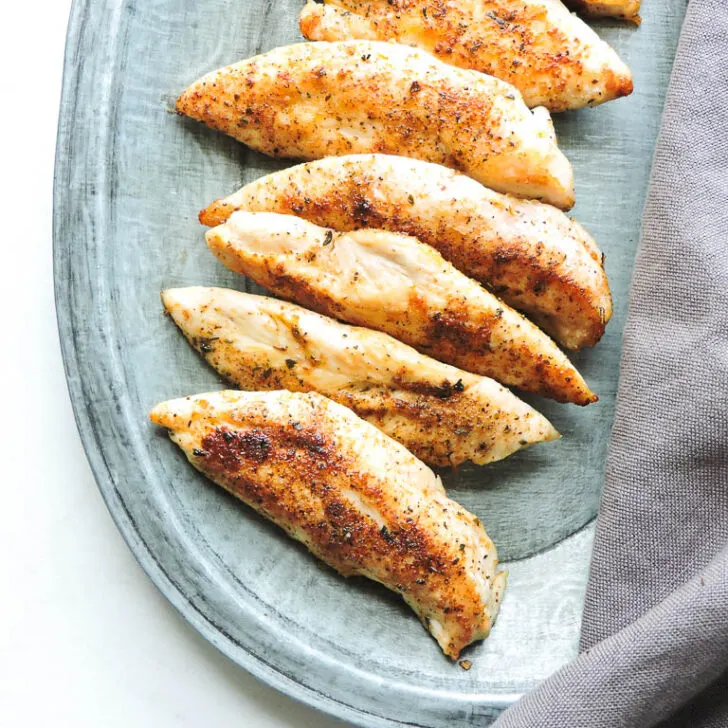
For a quick sear on chicken breasts to achieve a golden-brown crust before finishing them in the oven or sauce, a sauté pan or frying pan (skillet) is typically preferred. These pans, especially those made of stainless steel or cast iron (though a cast iron skillet is a type of pot), heat up quickly and provide a good surface area for searing. While a Dutch oven *can* sear, its slower heating and tendency to retain heat might lead to overcooking the exterior before the interior is done if not managed carefully.
Care And Maintenance: Ensuring Longevity
Proper care ensures your cookware serves you well for years to come.
Caring For Your Dutch Oven
- Enameled Cast Iron:
- Avoid extreme temperature changes (e.g., placing a hot pot in cold water) to prevent cracking.
- Use wooden or silicone utensils to protect the enamel from scratches. Metal utensils can scratch the surface.
- Clean with warm, soapy water and a non-abrasive sponge. For stubborn