The kitchen is a realm of transformation, where raw ingredients become culinary masterpieces. At the heart of many kitchens, particularly those that appreciate slow-cooked, flavorful dishes, lie two stalwart pieces of cookware: the Dutch oven and the cast iron pot. While both share the commonality of being forged from robust cast iron, their designs, intended uses, and ultimately, the results they produce, can differ significantly.
It is crucial for any home cook aiming to elevate their culinary repertoire, from achieving a perfect sear on a steak to slow-braising a tender pot roast or baking a crusty loaf of bread.
Many home cooks often find themselves at a crossroads when choosing between these two essential pieces. Is a Dutch oven simply a lidded cast iron pot, or is there more to it? The answer lies in the nuances of their construction and their specialized applications.
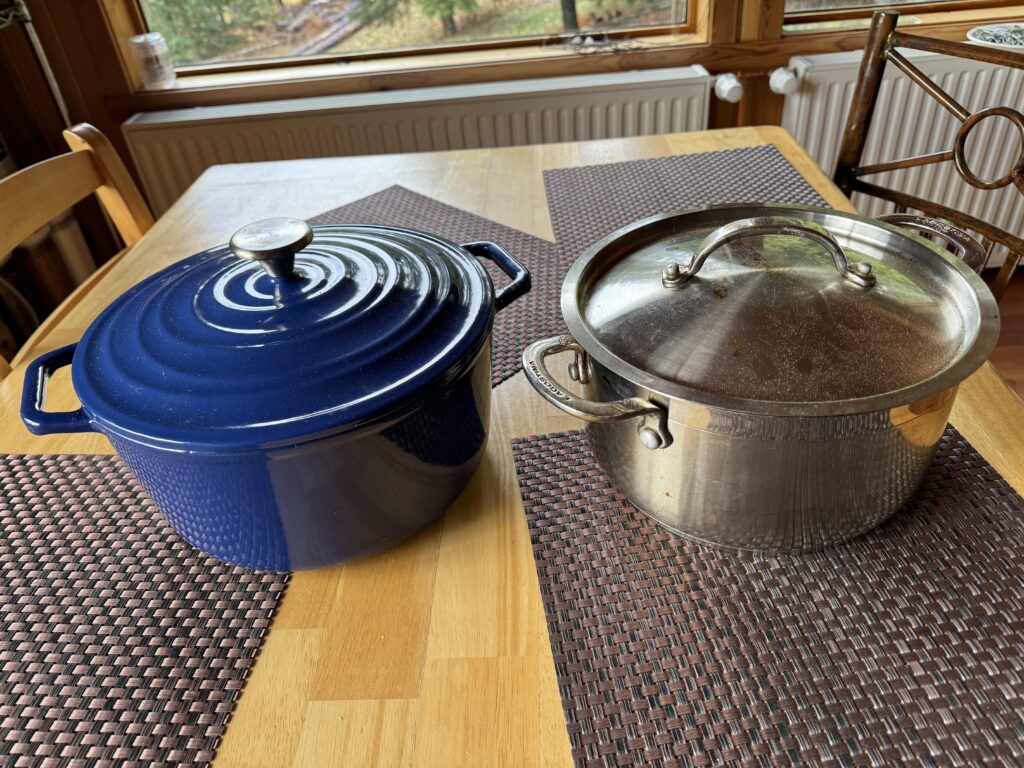
While both offer exceptional heat retention and distribution, the specific features of a Dutch oven, such as its tight-fitting lid and often enameled finish, lend themselves to different cooking techniques than a more traditional, often unenameled, open-top cast iron pot.
This article will explore the defining characteristics of each, their ideal uses, and provide guidance on how to select the right one for your kitchen needs, ensuring you make an informed decision that enhances your cooking experience.
Key Takeaways
- Dutch Oven: Characterized by a heavy, tight-fitting lid, often enameled, designed for versatile cooking including braising, stewing, baking, and frying. Its enclosed environment promotes even heat and moisture retention.
- Cast Iron Pot: Typically refers to a more open-style pot, often unenameled, with a lid that may not seal as tightly. It excels at searing, frying, and stovetop cooking where direct heat and evaporation are desired.
- Enameled vs. Unenameled: Enameled cast iron is non-reactive, easier to clean, and doesn’t require seasoning. Unenameled cast iron requires seasoning to prevent rust and develop a non-stick surface, but can achieve higher searing temperatures and a more pronounced crust.
- Heat Retention & Distribution: Both offer superior heat retention and even distribution, a hallmark of cast iron cookware.
- Versatility: Dutch ovens are generally more versatile due to their enclosed design, making them ideal for a wider range of slow-cooked and baked dishes.
- Maintenance: Enameled Dutch ovens are low maintenance. Unenameled cast iron (both pots and Dutch ovens) requires regular seasoning and careful cleaning.
- Cost: Enameled Dutch ovens tend to be more expensive than unenameled cast iron pots.
Understanding The Dutch Oven
The Dutch oven is a true workhorse in the kitchen, renowned for its exceptional versatility and ability to produce deeply flavorful and tender results. At its core, it is a heavy, thick-walled cooking pot with a tight-fitting lid. This design is not accidental; it’s engineered to create a self-basting environment where moisture released from the food is trapped inside and recirculates, keeping ingredients moist and tender during long cooking periods.
Construction And Design Features
The defining characteristic of a Dutch oven is its heavy, close-fitting lid. This lid often features a series of small “nubs” or “spikes” on the underside, strategically placed to catch condensation and drip it back onto the food evenly. This self-basting mechanism is crucial for dishes like pot roasts, stews, and braises, where maintaining moisture is paramount. The pot itself is typically round with straight or slightly sloped sides, offering ample surface area for searing and then containing liquids for simmering.
Most modern Dutch ovens are enameled, meaning they have a vitreous enamel coating applied to both the interior and exterior. This enamel coating offers several advantages:
- Non-Reactive: Unlike unenameled cast iron, enamel does not react with acidic ingredients like tomatoes or wine, preventing metallic tastes from leaching into the food.
- Easy to Clean: The smooth enamel surface is significantly easier to clean than seasoned cast iron. It resists sticking and is typically dishwasher-safe (though handwashing is often recommended to prolong its life).
- No Seasoning Required: Enameled Dutch ovens do not need to be seasoned, unlike their unenameled counterparts. This makes them more user-friendly for beginners.
- Aesthetic Appeal: The enamel comes in a wide variety of colors, making Dutch ovens attractive enough to be brought directly from the oven to the dining table.
However, some traditionalists prefer unenameled cast iron Dutch ovens. These require seasoning, much like a cast iron skillet, to build up a natural non-stick surface and prevent rust. While they demand more maintenance, they can achieve higher searing temperatures and are often favored by those who prioritize a rustic, traditional cooking experience.
Ideal Cooking Applications
The Dutch oven’s design makes it exceptionally well-suited for a variety of cooking methods:
- Braising and Stewing: This is perhaps the most celebrated use of a Dutch oven. Its ability to retain heat and moisture makes it perfect for slow-cooking tough cuts of meat until they are fork-tender. The enclosed environment allows flavors to meld beautifully. Think of classic dishes like beef bourguignon, coq au vin, or a hearty lentil stew.
- Roasting: While not its primary function, a Dutch oven can be used for roasting smaller cuts of meat or vegetables, especially when you want to keep them moist.
- Baking Bread: The Dutch oven has gained significant popularity among home bakers for its ability to create incredible artisan-style bread. When baking bread dough inside a preheated Dutch oven, the trapped steam creates a wonderfully crisp crust and a perfectly airy interior, mimicking the conditions of a professional baker’s oven.
- Deep Frying: The heavy cast iron construction provides excellent, stable heat for deep frying. The high sides help to contain splatters, making it a safer option than a shallow pan.
- Soups and Stocks: For long-simmering soups and stocks, the Dutch oven’s even heating and heat retention are invaluable.
Examples Of Use
Consider the process of making a classic pot roast. You might start by searing the beef directly in the Dutch oven on the stovetop to develop a rich crust. Then, you’ll add aromatic vegetables like onions, carrots, and celery, followed by liquids such as broth, wine, or tomato paste. With the tight-fitting lid secured, the Dutch oven goes into a low-temperature oven for several hours. The consistent heat and trapped steam ensure the beef becomes incredibly tender, and the vegetables soften and release their flavors into the braising liquid, creating a rich, savory sauce.
Another common application is baking no-knead bread. A dough is mixed, allowed to rise, and then placed into a preheated Dutch oven. The initial blast of heat and steam from the trapped moisture causes the dough to expand rapidly, creating the characteristic open crumb structure and a golden-brown, crispy crust that is difficult to achieve with other methods.
Formula 409 Cleaner Degreaser Disinfectant: Does It Actually Work?
Exploring The Cast Iron Pot
While the term “cast iron pot” can sometimes be used interchangeably with “Dutch oven,” it more commonly refers to a broader category of cast iron cookware that may differ in design and intended use. Typically, a cast iron pot is a deep, lidded vessel, but it may lack the specific self-basting features of a Dutch oven and is often unenameled.
This distinction leads to different strengths and applications in the kitchen.
Construction And Design Variations
A cast iron pot, in its more traditional sense, is a robust, heavy pot made entirely of cast iron. Unlike many modern Dutch ovens, these are frequently unenameled. This means the interior cooking surface is the raw cast iron itself, which requires seasoning to create a natural non-stick layer and protect it from rust. Seasoning involves applying a thin layer of cooking oil and heating the pot to polymerize the oil, creating a hard, smooth surface over time with repeated use.
The lid on a traditional cast iron pot might be made of cast iron or another material, like glass. Critically, the lid may not form as tight a seal as a Dutch oven’s lid. This allows for more evaporation during cooking, which can be advantageous for certain dishes.
Sizes and shapes can vary widely. You might find:
- Deep Stew Pots: Similar in depth to a Dutch oven, but often with a less specialized lid.
- Stock Pots: Larger, taller pots designed for making large batches of stock or soup.
- Casserole-Style Pots: Wider and shallower, sometimes with two loop handles rather than a single long handle.
The absence of enamel means that unenameled cast iron pots are reactive. This means they can interact with acidic foods, potentially imparting a metallic taste and causing the enamel to degrade if it were present. For this reason, they are generally not recommended for cooking highly acidic ingredients for extended periods.
Cooking Strengths And Applications
The design of a cast iron pot, particularly its unenameled nature and potentially looser lid, lends itself to specific cooking techniques:
- Searing and Browning: Unenameled cast iron can reach very high temperatures and holds heat exceptionally well, making it ideal for achieving a deep, flavorful sear on meats. The raw surface can develop a fantastic crust.
- Stovetop Cooking: These pots are excellent for dishes prepared entirely on the stovetop, such as hearty soups, chili, or sauces that benefit from direct heat and controlled simmering.
- Frying: Similar to a Dutch oven, a cast iron pot can be used for frying, offering stable heat. The slightly looser lid might allow for more steam escape, which can be desirable for achieving crispier fried foods.
- Boiling and Simmering: For recipes that require prolonged boiling or simmering, the even heat distribution of cast iron ensures consistent cooking without hot spots.
- One-Pot Meals: They are perfect for creating robust one-pot meals where ingredients are cooked sequentially in the same vessel.
Maintenance is a key consideration for unenameled cast iron pots. They require careful cleaning (never in the dishwasher, and usually without harsh soap) and periodic re-seasoning to maintain their non-stick properties and prevent rust. Rust spots can occur if the pot is left wet or not properly seasoned.
Examples Of Use
Imagine making a spicy chili. You’d start by browning ground meat and vegetables in the cast iron pot on the stovetop. The unenameled surface ensures a good sear. Then, you’d add beans, tomatoes, and spices. The pot’s excellent heat retention allows the chili to simmer gently for hours, developing deep flavors. Because chili often contains tomatoes (acidic), a seasoned unenameled pot is generally used for shorter cooking times or with less acidic components. If cooking a tomato-heavy chili for a long duration, an enameled Dutch oven would be a safer choice to avoid any metallic tang.
Another example is preparing a large batch of vegetable stock. You would add vegetable scraps, water, and aromatics to the cast iron pot and let it simmer on the stovetop for several hours. The even heating prevents scorching, and the pot’s capacity is ideal for maximizing yield. The resulting stock is clear and flavorful, without any interference from reactive materials.
Dutch Oven Vs. Cast Iron Pot: A Direct Comparison
While both are made of cast iron and offer superb heat retention, the subtle differences in their design and construction lead to distinct advantages and optimal uses. Understanding these nuances is key to choosing the right tool for your culinary ambitions.
Key Differentiating Factors
The primary distinctions lie in their lid design, the presence or absence of enamel coating, and consequently, their maintenance requirements and reactivity with food.
- Lid: A Dutch oven’s lid is designed for a tight seal, creating a self-basting environment ideal for moist cooking. A traditional cast iron pot’s lid may be looser, allowing for more evaporation, which is beneficial for browning and crisping.
- Enamel: Enameled Dutch ovens are non-reactive, easy to clean, and require no seasoning. Unenameled cast iron pots (and unenameled Dutch ovens) are reactive, require seasoning, and more careful cleaning to prevent rust and maintain their non-stick properties.
- Versatility: Dutch ovens are generally considered more versatile due to their ability to handle a wider range of cooking methods, from stovetop searing to oven braising and baking. Cast iron pots excel in specific areas like high-heat searing and simpler stovetop simmering.
Performance In Different Cooking Tasks
Let’s break down how each performs across common cooking tasks:
| Cooking Task | Dutch Oven (Enameled) | Cast Iron Pot (Unenameled) |
|---|---|---|
| **Braising/Stewing** | **Excellent.** Tight lid traps moisture for incredibly tender results. Non-reactive nature is ideal for tomato-based or wine-based braises. | **Good, with caveats.** Can braise and stew well, but may require more liquid due to potential for greater evaporation. Tomato-based dishes should be monitored for reactivity. |
| **Searing Meat** | **Very Good.** Achieves a good sear, though the enamel can sometimes prevent the deepest crust compared to unenameled. | **Excellent.** Reaches high temperatures and develops a superior crust. The raw surface is ideal for hard searing. |
| **Baking Bread** | **Exceptional.** The trapped steam from the tight lid creates a perfect crust and crumb, mimicking professional ovens. | **Good.** Can bake bread, but the potentially looser lid may allow too much steam to escape, resulting in a less dramatic crust. |
| **Deep Frying** | **Excellent.** Stable, even heat and high sides offer safety and consistent results. | **Excellent.** Similar benefits to the Dutch oven, offering stable heat and good containment. |
| **Soups/Stocks** | **Excellent.** Consistent heating and large capacity make it ideal for long simmering. Non-reactive is a plus for lengthy cooks. | **Excellent.** Superior heat distribution and retention are perfect for simmering. Size variations can be advantageous for large batches. |
| **Acidic Foods** | **Ideal.** The non-reactive enamel surface prevents any metallic taste or degradation, making it perfect for tomato sauces, wine reductions, or citrus-marinated dishes. | **Use with caution.** Not recommended for prolonged cooking of highly acidic foods (e.g., marinara sauce for hours) due to potential for metallic taste and damage to seasoning. Shorter cooking times are generally fine. |
| **Maintenance** | **Low.** Easy to clean, often dishwasher safe (handwashing recommended). No seasoning required. | **High.** Requires regular seasoning, careful handwashing, and thorough drying to prevent rust. |
| **Durability** | **Very Good.** Enamel can chip if dropped or subjected to extreme thermal shock. Interior can stain over time but performance is unaffected. | **Extremely Durable.** Can last generations if properly cared for. Can withstand higher heat and more aggressive cleaning (though still needs care). |
| **Cost** | **Higher.** Enameled cast iron is generally more expensive due to the manufacturing process. | **Lower to Moderate.** Unenameled cast iron is typically more affordable. |
Choosing Between Them
The decision hinges on your primary cooking needs and your willingness to commit to maintenance.
- Choose a Dutch Oven if:
- You want a single pot for a wide variety of tasks, especially braising, stewing, and baking bread.
- You prefer low-maintenance cookware that is easy to clean.
- You frequently cook with acidic ingredients like tomatoes or wine.
- You appreciate cookware that can go from oven to table.
- You are new to cast iron and want a user-friendly option.
- Choose a Cast Iron Pot (unenameled) if:
- Your primary focus is high-heat searing and stovetop cooking.
- You are comfortable with the seasoning and maintenance requirements of cast iron.
- You prioritize developing the deepest crust on meats.
- You often cook large batches of soups or stocks.
- Budget is a significant consideration.
The Nuances Of Enamel: Benefits And Drawbacks
The enamel coating is a defining feature of most modern Dutch ovens and significantly impacts their performance, usability, and care. Understanding its properties is crucial for appreciating why enameled cast iron has become so popular.
Advantages Of Enameled Cast Iron
The widespread adoption of enameled cast iron is due to a compelling set of benefits:
- Non-Reactivity: This is perhaps the most significant advantage over unenameled cast iron. The glassy enamel surface is inert and will not react with acidic foods. This means you can confidently simmer tomato sauces, deglaze with wine, or cook citrus-infused dishes for extended periods without worrying about a metallic aftertaste or damaging the cookware. This vastly expands the range of recipes suitable for cast iron.
- Ease of Cleaning: Enameled cast iron is significantly easier to clean than its unenameled counterpart. The smooth, non-porous surface resists sticking and staining. Most food residue can be wiped away with a soft sponge and mild soap. While handwashing is generally recommended to preserve the longevity of the enamel, many manufacturers state their products are dishwasher safe.
- No Seasoning Required: Unlike unenameled cast iron, enameled pieces do not require seasoning. You can use them straight out of the box, making them incredibly user-friendly, especially for those new to cast iron cookware. This also means less worry about maintaining the non-stick surface or preventing rust.
- Aesthetic Variety: Enamel coatings come in a vast array of colors, from classic creams and blacks to vibrant reds and blues. This allows Dutch ovens to be both functional cooking vessels and attractive serving dishes, easily complementing any kitchen decor or dining table setting.
- Stain Resistance (Relative): While not entirely immune to staining (especially lighter colors), the enamel is generally more resistant to staining than seasoned cast iron, particularly from acidic or pigmented foods.
Potential Drawbacks Of Enameled Cast Iron
Despite its numerous advantages, enameled cast iron does have some limitations:
- Susceptibility to Chipping and Cracking: The enamel coating, while durable, can chip or crack if the cookware is dropped, subjected to significant impact, or exposed to extreme, sudden temperature changes (thermal shock). A chipped enamel pot is still usable for cooking (provided the chips are small and not exposing large areas of bare iron), but it’s important to be cautious.
- Lower Searing Temperatures: While enameled cast iron can get very hot, some argue that unenameled cast iron can achieve slightly higher, more intense searing temperatures. The enamel layer can act as a slight insulator, and aggressive scraping with metal utensils (which can damage the enamel) is discouraged. For the absolute best crust on a steak, unenameled might have a slight edge.
- Potential for Staining: While relatively stain-resistant, stubborn stains can occur over time, particularly on lighter-colored interiors, from highly pigmented foods or prolonged contact with certain ingredients. However, these are typically cosmetic and do not affect the pot’s cooking performance.
- Cost: Enameled cast iron cookware is generally more expensive than unenameled cast iron due to the complex manufacturing process involving multiple coats of enamel and firing in kilns.
Maintaining Enameled Cookware
Proper care ensures the longevity and performance of your enameled Dutch oven:
- Avoid Thermal Shock: Never plunge a hot enameled pot into cold water. Allow it to cool gradually.
- Use Appropriate Utensils: Wooden, silicone, or plastic utensils are recommended to protect the enamel surface. While occasional use of metal might be acceptable on some surfaces, it carries a risk of scratching.
- Gentle Cleaning: Use a soft sponge or cloth with mild dish soap. For stubborn residue, a nylon scrubbing brush or a specialized cleaner for enameled cast iron can be used. Avoid abrasive scouring pads or steel wool, which can scratch the enamel.
- Drying: Although often dishwasher safe, handwashing and thorough drying is the best practice to prevent potential long-term issues like corrosion around the rim (if unenameled) or dulling of the finish.
- Storage: Store with a protective liner (like a felt pot protector or a folded kitchen towel) between the pot and the lid if stacking, to prevent chipping.
The Art Of Seasoning: Unenameled Cast Iron Care
For those who opt for unenameled cast iron pots (or unenameled Dutch ovens), the practice of seasoning is not just a maintenance task; it’s an integral part of using and preserving the cookware. Seasoning is the process of baking oil into the surface of the cast iron, creating a natural, non-stick layer that also protects the metal from rust.
Why Seasoning Matters
- Non-Stick Properties: A well-seasoned cast iron surface becomes naturally non-stick, allowing food to release easily without sticking and burning. This improves cooking performance and makes cleanup easier.
- Rust Prevention: Cast iron is susceptible to rust when exposed to moisture. The polymerized oil layer created during seasoning acts as a barrier, protecting the iron from the elements.
- Flavor Enhancement: Over time, the seasoning can subtly enhance the flavors of the food being cooked, contributing to the characteristic “cast iron taste”