No, standard all-purpose cleaners do not disinfect. While all-purpose cleaners are formulated with surfactants and detergents to effectively cut through grease, lift dirt, and remove visible grime, they generally lack antimicrobial agents (such as bleach, quaternary ammonium compounds, hydrogen peroxide, or high-concentration acids) required to kill bacteria and viruses.
However, the distinction between cleaning and disinfecting is crucial, and many everyday cleaning products fall short of truly eliminating harmful germs. Understanding this difference is key to maintaining a truly healthy environment.
This article will explore the nuances between cleaning and disinfecting, examine the ingredients and claims of typical all-purpose cleaners, and clarify what you need to look for if your goal is to kill germs effectively. We’ll break down the science, offer practical advice, and help you make informed choices about the products you use to keep your spaces safe.
Key Takeaways
- Cleaning removes dirt and grime but doesn’t necessarily kill germs.
- Disinfecting kills or inactivates a high percentage of specific harmful microorganisms on surfaces.
- Most all-purpose cleaners are primarily designed for cleaning, not disinfecting.
- To disinfect, a product must be EPA-registered as a disinfectant and carry specific label claims.
- Look for active ingredients like quaternary ammonium compounds, hydrogen peroxide, or sodium hypochlorite (bleach) for disinfecting power.
- Proper contact time is essential for disinfectants to work effectively.
- Disinfecting cleaners are a separate category of products designed specifically to kill germs.
Best Floor Cleaner And Disinfectant: Top 5 Picks for Germ-Free Homes
The Crucial Difference: Cleaning Vs. Disinfecting
At its core, the distinction between cleaning and disinfecting lies in their primary functions and the outcomes they achieve. While both are vital for maintaining a hygienic environment, they address different aspects of cleanliness. Understanding this fundamental difference is the first step in answering whether your go-to all-purpose cleaner is truly doing the job you expect.
What Cleaning Accomplishes
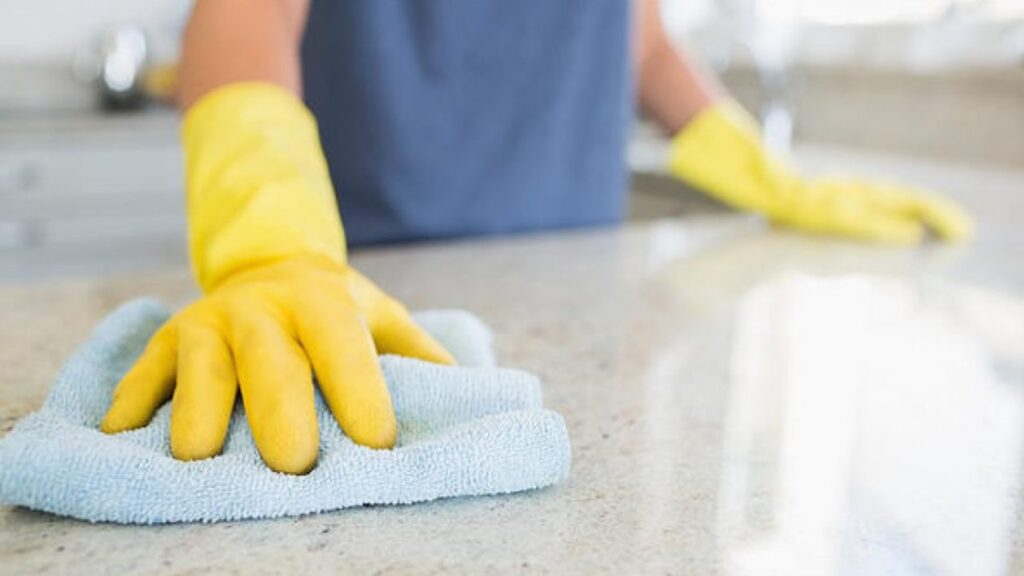
Cleaning is the process of removing soil, dirt, dust, and organic matter from surfaces. This is typically done using soaps, detergents, and water. The goal of cleaning is primarily aesthetic and functional: to make surfaces look and feel clean, and to remove the physical debris that can harbor germs. When you wipe down a counter to remove crumbs or a greasy film, you are cleaning. This process can reduce the number of germs present by physically removing them along with the dirt, but it does not guarantee their destruction. Think of it as tidying up, you’re making the space presentable and removing the visible mess.
What Disinfecting Accomplishes
Disinfecting, on the other hand, is a more rigorous process aimed at killing or inactivating specific microorganisms, such as bacteria, viruses, and fungi, on surfaces. Disinfectants are chemical agents that are formulated to kill a significant percentage of these pathogens. The U.S. Environmental Protection Agency (EPA) defines disinfection as a process that reduces the number of viable microorganisms on inanimate objects to levels that are not a threat to public health. This means that while a surface might look clean after using an all-purpose cleaner, it might still harbor harmful germs that a disinfectant is specifically designed to eliminate.
Why The Distinction Matters For Health
The importance of this distinction becomes clear when considering public health. In environments like hospitals, schools, or homes where illness can spread, effective disinfection is critical. Simply cleaning a surface might remove visible dirt, but if pathogens remain, they can still be transmitted through touch, leading to illness.
For instance, if someone in your household has a cold or flu, cleaning their doorknobs or tables will remove mucus and germs they’ve touched, but only a disinfectant can actively kill the viruses or bacteria present, significantly reducing the risk of spreading the illness to others.
This is why health organizations and regulatory bodies emphasize using products specifically labeled as disinfectants when germ control is the priority.

How All-purpose Cleaners Work
All-purpose cleaners are designed for versatility, aiming to tackle a broad range of common household messes. Their formulations typically include surfactants, solvents, and sometimes mild acids or bases to break down and lift away dirt, grease, and grime. However, their primary function is cleaning, not germicidal action.
The Role Of Surfactants
The workhorses of most cleaning products, including all-purpose cleaners, are surfactants (surface-active agents). These compounds work by reducing the surface tension of water, allowing it to spread more easily and penetrate dirt and grease. Surfactants have a dual nature: one end is attracted to water (hydrophilic), and the other is attracted to oil and grease (hydrophobic). This allows them to lift grease and grime from surfaces and suspend it in the water, so it can be wiped away. Common surfactants found in all-purpose cleaners include sodium lauryl sulfate and alcohol ethoxylates. While effective at removing visible dirt, they do not inherently possess strong antimicrobial properties.
Other Common Ingredients And Their Functions
Beyond surfactants, all-purpose cleaners often contain a variety of other ingredients to enhance their cleaning power and user experience:
- Solvents: These help to dissolve oily or greasy soils. Examples include glycol ethers or alcohols.
- Builders: These enhance the cleaning action of surfactants, often by softening water. Examples include sodium citrate or sodium carbonate.
- PH Adjusters: Acids (like citric acid) or bases (like sodium hydroxide) can be used to optimize the cleaner’s effectiveness for specific types of soil.
- Fragrances and Dyes: These are added for aesthetic appeal and to mask chemical odors.
- Preservatives: To prevent microbial growth within the product itself.
Crucially, most standard all-purpose cleaners do not contain sufficient concentrations of active antimicrobial ingredients to meet the EPA’s definition of a disinfectant. Their formulations prioritize breaking down and removing physical soil.
When All-purpose Cleaners Might Have Some Antimicrobial Action
It’s important to note that some all-purpose cleaners *do* contain ingredients that offer a degree of antimicrobial action, but this doesn’t automatically qualify them as disinfectants. For example, cleaners containing alcohols (like isopropyl alcohol or ethanol) or hydrogen peroxide in certain concentrations can indeed kill some germs. However, for a product to be legally considered a disinfectant, it must meet specific efficacy standards set by regulatory bodies like the EPA. This involves rigorous testing against a panel of specific pathogens and obtaining registration.
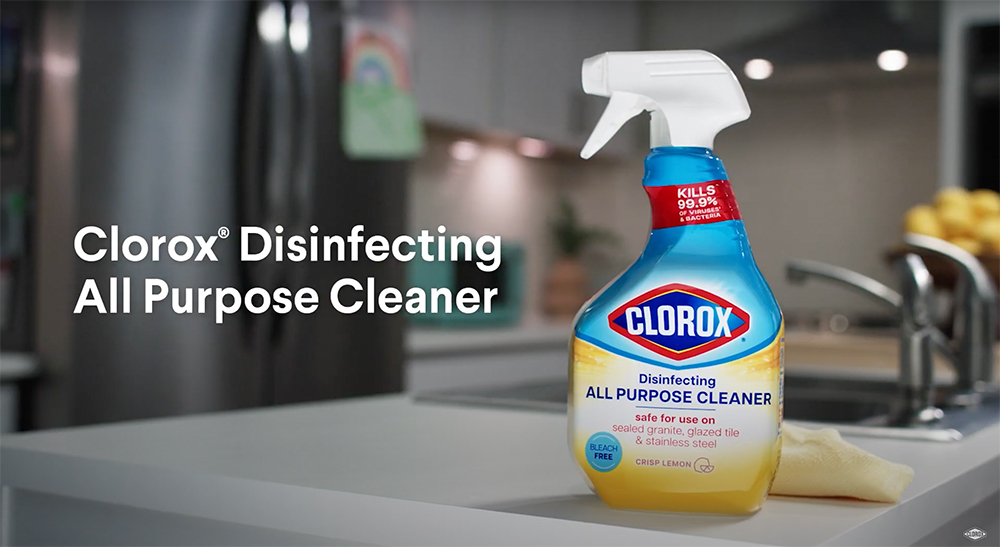
A product might claim to “help reduce bacteria” or “kill 99.9% of common household bacteria,” but this language is often used to describe a secondary benefit of cleaning rather than a primary, registered disinfecting claim. Unless the product explicitly states it is a disinfectant and lists specific pathogens it kills on its label, and bears an EPA registration number, it should not be relied upon for disinfecting purposes.
Identifying True Disinfectants
Distinguishing between a cleaner that simply removes dirt and a product that actively kills germs requires understanding product labeling and regulatory standards. True disinfectants are formulated with specific active ingredients at precise concentrations and have undergone rigorous testing to prove their efficacy against harmful pathogens.
The Epa Registration: Your Most Important Clue
In the United States, the Environmental Protection Agency (EPA) regulates antimicrobial pesticides, which include disinfectants. For a product to be legally sold and marketed as a disinfectant, it must be registered with the EPA. This registration process involves submitting extensive data demonstrating that the product is effective in killing specific microorganisms and that it can be used safely according to label directions.
How to find the EPA registration number: Look for a number on the product label, usually preceded by “EPA Reg. No.” or similar wording. This number typically consists of two sets of numbers (e.g., 12345-67). The presence of this number is a strong indicator that the product has been evaluated by the EPA for its disinfecting claims. Products without an EPA registration number that claim to disinfect are likely violating federal law.
Common Active Ingredients In Disinfectants
Disinfectants work because they contain specific active ingredients that are lethal to microorganisms. These ingredients are present at concentrations high enough to achieve disinfection when used according to label instructions. Some of the most common active ingredients found in EPA-registered disinfectants include:
- Quaternary Ammonium Compounds (Quats): These are a broad class of chemicals widely used in household and industrial disinfectants. They disrupt cell membranes and are effective against many bacteria and some viruses. Examples include benzalkonium chloride.
- Sodium Hypochlorite: This is the active ingredient in household bleach. It’s a powerful oxidizing agent that denatures proteins and nucleic acids in microorganisms. It’s effective against a wide range of bacteria, viruses, and fungi.
- Hydrogen Peroxide: In higher concentrations (typically 3% or more for disinfecting applications), hydrogen peroxide acts as an oxidizing agent, breaking down cell components and killing microbes. It breaks down into water and oxygen, making it relatively environmentally friendly.
- Alcohols (Ethanol and Isopropyl Alcohol): At concentrations of 60-90%, alcohols are effective disinfectants. They work by denaturing proteins essential for microbial life. They are often used in hand sanitizers and surface wipes.
- Phenolic Compounds: These are less common in household products now due to potential toxicity and odor but are found in some heavy-duty disinfectants. They disrupt cell walls and precipitate proteins.
5 Best Disinfectant Cleaner For Granite: Safely Kill Germs Without Damage
Understanding Label Claims: What To Look For
Beyond the EPA registration number, the product label itself provides crucial information. Look for explicit claims such as:
- “Disinfects [list of specific pathogens, e.g., Staphylococcus aureus, Salmonella enterica, Influenza A virus]”
- “Kills 99.9% of bacteria and viruses” (when accompanied by an EPA registration number and specific pathogen claims)
- “Sanitizes” (Sanitizing is a related but distinct claim, reducing bacteria to safe levels, often with less stringent requirements than disinfection).
If a product only states it “cleans,” “deodorizes,” “shines,” or “removes grime,” it is not a disinfectant. The absence of explicit disinfecting claims and an EPA registration number means you should not rely on it for killing germs.
The Importance Of Contact Time And Proper Usage
Even the most potent disinfectant is ineffective if not used correctly. Two critical factors for successful disinfection are contact time and proper application. Overlooking these can render a product useless, leaving surfaces contaminated.
What Is Contact Time?
Contact time refers to the amount of time a disinfectant must remain wet on a surface to effectively kill the target microorganisms. This is a scientifically determined duration that varies depending on the specific disinfectant and the pathogens it is intended to kill. Disinfectant labels will clearly state the required contact time for specific claims. For example, a label might say, “To disinfect, leave wet for 10 minutes.”
- Why it matters: Disinfectants need time to penetrate the cell walls of microbes and disrupt their essential functions. Wiping away the disinfectant too soon, or allowing the surface to dry out before the specified contact time is met, means the germs have not been adequately killed.
- Data insight: Studies have shown significant reductions in disinfection efficacy when contact times are not met. For instance, a disinfectant requiring a 5-minute contact time might only achieve a 90% kill rate in 1 minute, leaving 10% of pathogens alive, whereas it might achieve a 99.999% kill rate in the full 5 minutes.
How To Ensure Proper Application
Proper application goes beyond just wetting the surface. It involves preparing the surface and using the disinfectant correctly:
- Pre-cleaning: Most disinfectants require the surface to be cleaned first to remove visible soil, dirt, and organic matter. As discussed, these substances can inactivate disinfectants or shield microbes. Use an all-purpose cleaner for this step if necessary.
- Apply Thoroughly: Ensure the entire surface is thoroughly wetted with the disinfectant. This may involve spraying, wiping, or allowing the product to sit. For hard-to-reach areas, a spray bottle is often best.
- Maintain Wetness: For the duration of the required contact time, the surface must remain visibly wet. If it dries out too quickly, reapply the disinfectant.
- Allow to Air Dry (Usually): For most disinfectants, the label will instruct you to allow the surface to air dry after the contact time has elapsed. Rinsing or wiping immediately after the contact time may remove the disinfectant before it has completed its work. However, for surfaces that come into contact with food, rinsing may be required after disinfection (check the label carefully).
- Ventilation: Ensure adequate ventilation, especially when using products with strong fumes like bleach.
Real-world Example: Kitchen Countertops
Consider disinfecting your kitchen countertops after preparing raw meat.
- Step 1 (Clean): First, use an all-purpose cleaner to wipe away any visible food debris, grease, and juices. Rinse and dry.
- Step 2 (Disinfect): Apply an EPA-registered disinfectant. Read the label to determine the correct product and its required contact time (e.g., 5 minutes). Ensure the entire counter surface remains wet with the disinfectant for the full 5 minutes.
- Step 3 (Final Steps): Allow the counter to air dry, or follow label instructions for rinsing if it’s a food-contact surface.
Failing to pre-clean or not allowing the disinfectant to remain wet for the full contact time means that bacteria like *Salmonella* or *E. coli* might survive, posing a risk.
When To Choose A Disinfecting Cleaner Over An All-purpose Cleaner
The decision to use a disinfecting cleaner hinges on your specific goals for cleanliness and hygiene. While all-purpose cleaners are excellent for routine tidying, disinfecting cleaners are essential when the primary objective is to eliminate harmful pathogens.
Situations Demanding Disinfection
Certain scenarios and environments necessitate the use of disinfectants to ensure safety and prevent the spread of illness:
- During Illness: When someone in the household is sick with a contagious illness (e.g., flu, COVID-19, stomach bug), disinfecting high-touch surfaces like doorknobs, light switches, remote controls, faucets, and countertops is crucial.
- Food Preparation Areas: Especially after handling raw meat, poultry, or seafood, disinfecting cutting boards, countertops, and utensils can prevent foodborne illnesses.
- High-Traffic Areas: In shared spaces like bathrooms, kitchens, and common areas, regular disinfection helps control the spread of germs.
- Nurseries and Areas with Vulnerable Individuals: For homes with infants, the elderly, or immunocompromised individuals, maintaining a germ-free environment through disinfection can be particularly important.
- Post-Contamination Events: If there’s been a known contamination event (e.g., a spill of bodily fluids), disinfection is required.
Features Of Disinfecting Cleaners
Disinfecting cleaners, often called disinfectant sprays, disinfectant wipes, or disinfectant solutions, are specifically formulated and labeled for germ-killing. Key features include:
- EPA Registration: As mentioned, they will have an EPA registration number.
- Explicit Disinfecting Claims: The label will clearly state that the product disinfects and list the specific pathogens it kills.
- Active Antimicrobial Ingredients: They contain proven germ-killing agents like those discussed earlier (Quats, bleach, hydrogen peroxide, alcohols).
- Specific Usage Instructions: Labels will detail pre-cleaning requirements, application methods, and mandatory contact times.
Comparison: All-purpose Cleaner Vs. Disinfecting Cleaner
To clarify the functional differences, consider this comparison:
| Feature | Typical All-Purpose Cleaner | EPA-Registered Disinfecting Cleaner |
|---|---|---|
| **Primary Goal** | Remove dirt, grime, grease, and soil. | Kill or inactivate specific harmful microorganisms. |
| **Mechanism** | Surfactants, solvents lift and remove debris. | Chemical agents (e.g., Quats, bleach) kill microbes. |
| **Germ Killing** | May reduce germ count by removing them physically. | Actively kills a specified percentage of pathogens. |
| **Labeling** | “Cleans,” “Shines,” “Removes Grease.” | “Disinfects,” EPA Reg. No., specific pathogen claims. |
| **Active Ingredients** | Primarily surfactants, solvents. | Quaternary ammonium compounds, bleach, alcohols, etc. |
| **Contact Time** | Not typically specified for germ killing. | Crucial; specified on label (e.g., 5-10 minutes). |
| **Best For** | Routine cleaning, general tidying. | Areas needing germ control, illness, food prep. |
*Pro Tip:* Always read the product label carefully. If you are unsure whether a product disinfects, assume it does not unless it clearly states otherwise and displays an EPA registration number.
How To Choose The Right Product For Your Needs
Navigating the cleaning aisle can be overwhelming. With so many options, understanding how to select the right product ensures you’re effectively cleaning and, when necessary, disinfecting. The key lies in identifying your goal: are you just tidying up, or are you aiming to eliminate germs?
Step 1: Define Your Goal
- For General Cleaning: If you’re wiping down a dusty shelf, cleaning up a minor spill of juice, or removing fingerprints from a glass table, a good all-purpose cleaner is sufficient. These products are formulated to break down and lift common household soils without the need for antimicrobial claims. They are often gentler and may have more pleasant scents.
- For Disinfecting: If you need to kill germs, especially in the context of illness, food preparation, or high-traffic areas, you absolutely need an EPA-registered disinfectant. This is non-negotiable for achieving a germ-free surface.
Step 2: Read The Label Meticulously
Once you know your goal, scrutinize the product label:
- All-Purpose Cleaners: Look for terms like “cleans,” “cuts grease,” “removes dirt,” “multi-surface cleaner.” You will likely *not* see an EPA registration number or specific pathogen kill claims.
- Disinfecting Cleaners: These labels will prominently feature:
- An EPA Registration Number (e.g., EPA Reg. No. 12345-67).
- Explicit claims like “Disinfects,” “Kills 99.9% of Bacteria and Viruses,” or specific pathogen names (e.g., “Kills Influenza A,” “Effective against SARS-CoV-2”).
- Mandatory contact times (e.g., “Kills germs in 5 minutes”).
- Instructions for pre-cleaning surfaces.
Step 3: Consider The Surface And Your Environment
- Surface Compatibility: Ensure the product is safe for the surfaces you intend to use it on. Some disinfectants can damage certain materials like porous stone or certain plastics. All-purpose cleaners are generally formulated for a wider range of surfaces.
- Safety: Pay attention to safety precautions. Disinfectants, especially those containing bleach or strong chemicals, may require gloves, good ventilation, and avoiding mixing with other chemicals. If you have children or pets, look for products with safety features or consider alternatives like hydrogen peroxide-based cleaners or vinegar (for cleaning, not disinfecting).
- Specific Needs: For food-contact surfaces, ensure the disinfectant label specifies it’s safe for such use and includes instructions for rinsing after the contact time.
Example Product Scenarios
- Scenario 1: Wiping down kitchen counters after making breakfast (no raw meat). An all-purpose cleaner is likely sufficient to remove crumbs and any light splatters.
- Scenario 2: Cleaning up after a child has vomited. You need an EPA-registered disinfectant that is effective against viruses and bacteria. Follow the label instructions precisely, including pre-cleaning and contact time.
- Scenario 3: General bathroom cleaning (tub, sink, toilet). For routine cleaning of soap scum and grime, an all-purpose cleaner works. However, for disinfecting high-touch areas like faucets, toilet handles, and doorknobs, a disinfecting cleaner is recommended. Many products are available that offer both cleaning and disinfecting properties, but always verify the label.
Data Table: Common Cleaning Vs. Disinfecting Products
| Product Type | Primary Function | EPA Registration? | Key Ingredients (Examples) | Use Case Example |
|---|---|---|---|---|
| **All-Purpose Spray** | Cleaning | No | Surfactants, solvents, water | Wiping counters, tables, general spills |
| **Glass Cleaner** | Cleaning | No | Ammonia, alcohol, water | Cleaning windows, mirrors |
| **Bathroom Cleaner** | Cleaning | No (typically) | Acids, surfactants | Removing soap scum, hard water stains |
| **Disinfectant Wipes** | Disinfecting | Yes | Quaternary Ammonium Compounds, water | Wiping down high-touch surfaces, after illness |
| **Bleach-Based Cleaner** | Disinfecting | Yes | Sodium Hypochlorite | Disinfecting toilets, floors, laundry (diluted) |
| **Hydrogen Peroxide Spray** | Disinfecting | Yes | Hydrogen Peroxide (3%+) | General surface disinfection, often food-safe after rinse |
Final Verdict
To actually disinfect a surface, a cleaner must be EPA-registered (or locally equivalent) as a disinfectant and explicitly state on the label that it kills specific pathogens—which usually also requires a mandatory dwell time (keeping the surface visibly wet for 5 to 10 minutes).
If a product’s label only says “all-purpose cleaner” or “multi-surface cleaner” without antibacterial or disinfecting claims, it cleans the surface but leaves germs behind. Always check the back label for specific sanitization or disinfection instructions.