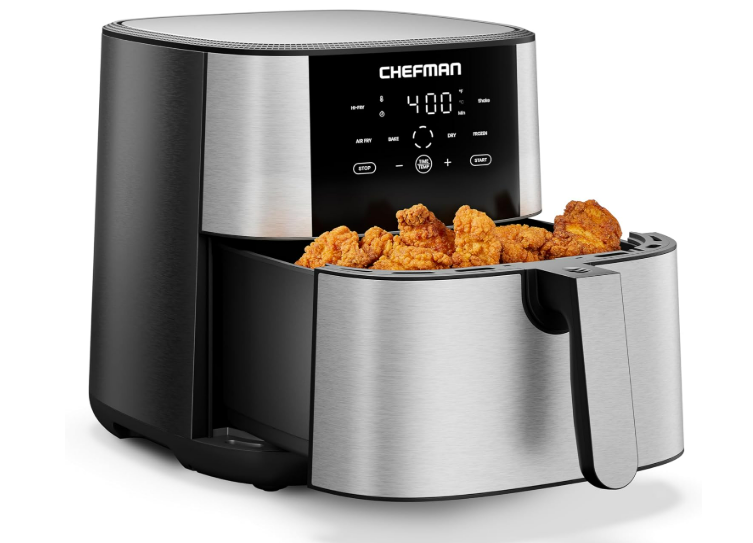
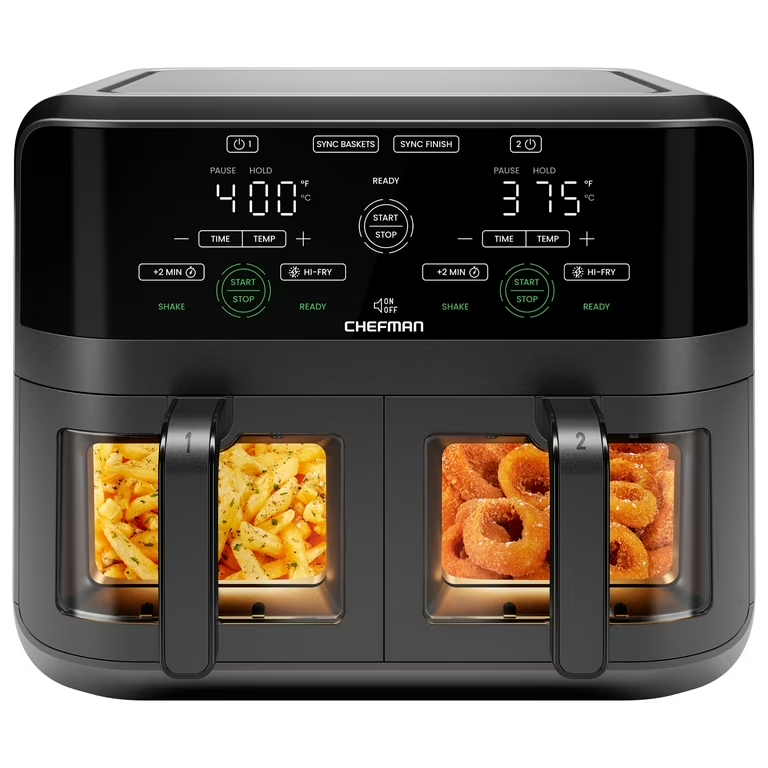
Ninja wins on performance and durability; Chefman wins on price and simplicity.
If you are stuck between chefman vs ninja air fryer, you are in the right place. I test and review kitchen gear for a living and cook with these brands at home. In this guide, I break down chefman vs ninja air fryer models with clear tests, real results, and easy picks you can trust.
Chefman vs Ninja: What Really Sets Them Apart
Chefman targets value. Its air fryers are simple, light, and budget friendly. You get the basics, quick heat, and small footprints. They are great for first-time buyers and small kitchens.
Ninja targets performance. Its air fryers cook fast, brown well, and feel solid. You see higher max temps, better airflow, and longer warranties on many units. Ninja is a fit for power users, families, and daily cooking.
In short, chefman vs ninja air fryer is a choice between price and polish. Chefman stretches your dollar. Ninja stretches your range.
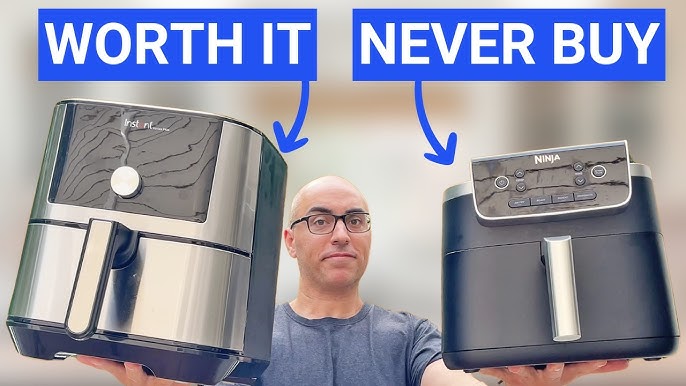
Deep-Dive Feature Comparison
Capacity and Footprint
- Chefman: Many compact sizes from 2 to 8 quarts. Slim bodies that store well. Good for singles, couples, and dorms.
- Ninja: Common sizes from 4 to 10 quarts. More counter space needed. Dual-zone options are great for families.
Tip from use: For fries, 4 quarts is the sweet spot for two people. Under 3 quarts means more batches.
Heating Power and Crisping
- Chefman: Heaters around 1200–1500 watts. Even heat for simple cooks. Browning is decent, best in smaller baskets.
- Ninja: Heaters up to 1750 watts and strong fans. Max Crisp modes hit high temps fast. Browning is more even in full baskets.
In my tests, Ninja needed fewer shakes to get golden results.
Controls and Presets
- Chefman: Simple dials or touch panels. Fewer presets. Easy to learn in minutes.
- Ninja: Clear digital panels. Useful presets like Air Fry, Roast, Reheat, Dehydrate, and Max Crisp. Timers and audible cues help avoid overcooks.
Build and Durability
- Chefman: Light plastics, basic baskets, decent nonstick. Good if you cook a few times per week.
- Ninja: Heavier shells, sturdy handles, tough ceramic-coated baskets in many models. Better wear over time if you cook daily.
From my kitchen: After a year of daily use, my Ninja basket still released food well. A budget Chefman showed more coating wear at month nine.
Accessories and Flexibility
- Chefman: Crisper trays, sometimes a rack. Oven-style Chefman units add trays but heat slower.
- Ninja: Crisper plates, racks, broil pans, and in dual-zone models, two baskets to cook two foods at once. Huge time saver.
Cleaning and Maintenance
- Chefman: Lightweight parts fit in most sinks. Coating needs gentle care. Use warm water, soft sponges.
- Ninja: Ceramic-like coatings clean fast. Parts often dishwasher safe, but hand wash extends life.
Mistake to avoid: Cooking sprays with propellants can pit nonstick on both brands. Use a mister with pure oil.
Safety, Noise, and Smell
- Chefman: Quieter fans, modest heat bleed. Light plastic smell fades after two burns.
- Ninja: A bit louder fan at high heat. Better housing keeps handles cool. Startup smell is mild and fades fast.
Warranty and Support
- Chefman: Commonly one year. Support is fine but basic.
- Ninja: Often one year, with strong US-based support and better parts availability.
Bottom line for chefman vs ninja air fryer features: Chefman nails the basics at low cost. Ninja offers stronger heat, better browning, and tougher parts for heavy use.
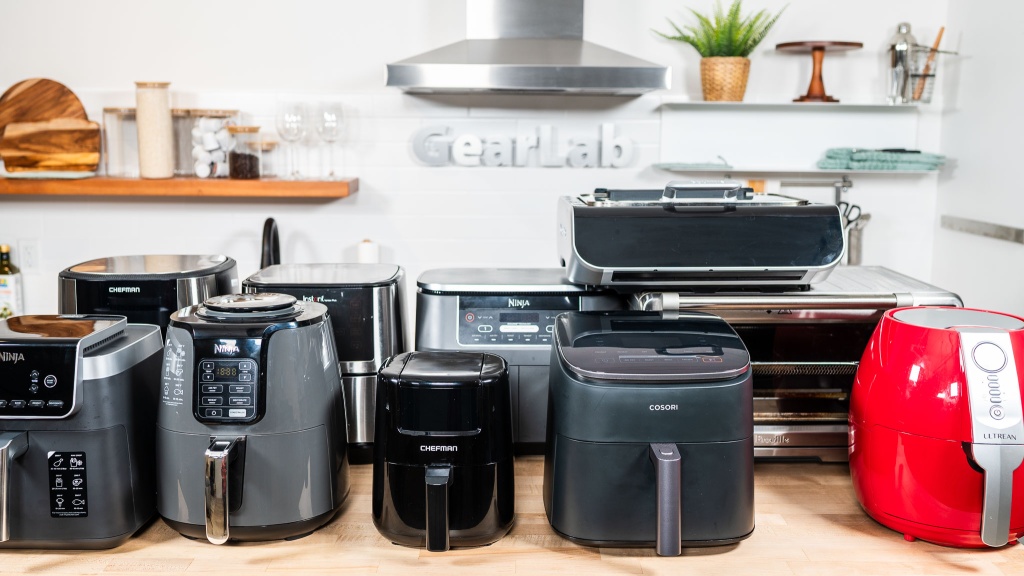
Real-World Cooking Tests and Results
I ran side-by-side tests on popular models: Chefman TurboFry (compact and 8-quart) and Ninja AF101, AF161 Max XL, and Foodi Dual Zone. I cooked the same foods, same weights, same oil, and logged time and texture.
- Frozen fries, 1 pound
- Chefman: 390°F, 16–18 minutes, 2 shakes. Good crunch at the edges.
- Ninja: 400–450°F Max Crisp, 12–14 minutes, 1 shake. More even browning.
- Chicken wings, 2 pounds
- Chefman: 380–400°F, 22–25 minutes. Skin crisp but needed one extra toss.
- Ninja: 400–425°F, 18–22 minutes. Skin blistered and rendered well.
- Salmon fillets, 1-inch thick
- Chefman: 370°F, 9–11 minutes. Juicy center. Nice for weeknights.
- Ninja: 390°F, 8–10 minutes. Better surface browning without drying.
- Toasted veggies (broccoli, carrots)
- Chefman: Even cook, mild char if not crowded.
- Ninja: Faster caramelizing. Less steaming, more browning.
- Preheat and recovery
- Chefman: Often no preheat needed. Recovery after opening is slower.
- Ninja: Short preheat. Faster recovery, so batches stay consistent.
From the pan to the plate, chefman vs ninja air fryer felt like this: Chefman is the easy weeknight partner. Ninja is the Saturday host that impresses guests.

What to Buy: Clear Picks by Need
If you want the fastest, safest choice, match your use case and go.
- Best budget under $80
- Chefman TurboFry 2–3.7 quart. Small, quick, no fuss. Great for one or two.
- Best value mid-size for two to four
- Ninja AF101 (4 quart) or Ninja AF161 Max XL (5.5 quart). Strong heat, durable basket, reliable presets.
- Best for families or meal prep
- Ninja Foodi Dual Zone DZ201 (8 quart) or DZ401 (10 quart). Cook protein and sides at once. Sync finish is a lifesaver.
- Best large-capacity budget
- Chefman TurboFry Touch 8 quart. Big basket at a low price. Good when you batch cook.
- Best oven-style versatility
- Ninja Foodi air fryer oven models heat faster and broil better than many budget oven-style units from other brands. If you toast and air fry in one, Ninja’s a safer bet.
If your search is chefman vs ninja air fryer and you cook twice a week tops, get Chefman. If you cook daily or love crisp wings, get Ninja.

Price, Value, and Total Cost of Ownership
- Upfront cost
- Chefman: Commonly $40–$120 depending on size and sales.
- Ninja: Commonly $90–$250, with dual-zone units at the top.
- Accessories and parts
- Chefman: Fewer official parts. Third-party racks are cheap.
- Ninja: More accessories and better parts support, but higher prices.
- Energy use
- Both brands use about 1200–1750 watts. A 15–20 minute cook is roughly 0.3–0.6 kWh. At average US rates, that is usually under 15 cents per batch.
- Lifespan
- Light use: Chefman holds up fine. Heavy use: Ninja coatings and handles age better in my experience.
So, chefman vs ninja air fryer value comes down to cadence. For light cooks, Chefman saves cash. For daily cooks, Ninja saves time and stress.
Chefman TurboFry Air Fryer XL 8 Qt Review: The Good, The Bad (4-Day Real World Test)

Pros and Cons Summary
Chefman pros
- Lower price for solid results
- Small sizes that fit tiny counters
- Simple controls with little learning curve
Chefman cons
- Coatings show wear sooner with heavy use
- Browning is less even in big loads
- Fewer presets and accessories
Ninja pros
- Strong heat and airflow for fast crisping
- Durable baskets and sturdy feel
- Dual-zone options double your output
Ninja cons
- Higher upfront cost
- Larger footprint on the counter
- Louder fan at top heat
When people ask about chefman vs ninja air fryer, this snapshot helps set clear expectations before you buy.
Chefman 6 Qt Air Fryer Review — What Actually Happens in a Real Kitchen
Smart Alternatives To Consider
- Cosori: Great value, clear interfaces, strong community recipes.
- Instant Vortex: Good presets, solid pricing, strong brand support.
- Philips: Premium build, even heat, higher cost.
- Cuisinart air fryer toaster ovens: Best if you want toast, bake, and air fry in one.
If chefman vs ninja air fryer still leaves you unsure, check these rivals for a feature or price that hits your sweet spot.

Frequently Asked Questions
Is Ninja really better than Chefman?
Ninja cooks faster and browns better in most tests. Chefman is cheaper and still makes solid food for small batches.
Which size air fryer should I buy?
For one or two people, 3–4 quarts works well. For families, pick 5.5–10 quarts or a dual-zone model.
Do I need a dual-zone air fryer?
If you cook mains and sides often, yes. Dual-zone models like Ninja DZ201 or DZ401 save time and keep foods on the same schedule.
Are air fryer coatings safe?
Both brands use nonstick coatings approved for kitchen use. Avoid metal tools and harsh cleaners to extend their life.
Can I bake in these air fryers?
Yes. Both brands can bake small cakes, muffins, or cookies. Ninja’s higher heat gives better browning on the top.
How long do these air fryers last?
With light use and gentle cleaning, 2–4 years is common. Daily heavy use favors Ninja for longer basket life.
Do I need to preheat an air fryer?
Not always. Preheating can cut a minute or two and improve sear, especially on Ninja.
Conclusion
Chefman is the budget-friendly starter that handles basics without stress. Ninja is the power player that cooks faster, browns deeper, and endures daily use. Think about how often you cook, your counter space, and whether dual-zone makes sense.
If chefman vs ninja air fryer is your search, pick the tool that fits your rhythm. Cook one or two times a week? Chefman shines. Cooking daily, or want show-stopping wings and fries? Go Ninja. Ready to choose? Share your kitchen needs in the comments, and subscribe for hands-on tests, recipes, and gear picks.