No. A 20 lb propane tank should not be used indoors—ever.
If you’ve wondered can you use a 20 lb propane tank indoors, you’re not alone. I’ve spent years working around home energy systems and safety codes, and I’ve seen the risks up close. This guide explains what the codes say, why the hazards are real, what safe options exist, and how to make smart choices. If you want a clear, trusted answer to can you use a 20 lb propane tank indoors, keep reading.
What the codes actually say about indoor propane tanks
Let’s start with the rules. National fire and building codes treat propane as a serious hazard in homes. The Liquefied Petroleum Gas Code (NFPA 58) and the International Fire Code both restrict portable cylinders in living spaces.
Here’s the plain-language summary most cities adopt:
- You cannot store or use a 20 lb propane tank inside a dwelling. That includes kitchens, basements, bedrooms, garages attached to the house, and apartments.
- Portable propane cylinders belong outdoors, upright, and in a well-ventilated spot. Never in a closet or under stairs.
- Commercial and industrial sites have special rules. Forklifts and hot work can use cylinders indoors, but only with strict ventilation, training, and permits.
- RVs and campers use propane safely by housing cylinders in sealed, vented compartments that open only to the outside. That is not the same as placing a 20 lb tank loose inside.
So, can you use a 20 lb propane tank indoors under any normal home condition? No. The codes say do not do it, and insurers back that up.
Are Propane Tanks Supposed to Hiss?6 Causes & Safety Tips Explained
Why a 20 lb propane tank indoors is dangerous
Even if you think you’ll “just be careful,” the risks stack up fast.
- Leak risk. Propane is heavier than air. If it leaks, it sinks and pools on the floor, into basements, and under appliances. One spark can cause an explosion.
- No safe ventilation path. Inside air traps gas. Doors and windows do not guarantee fresh air flow at floor level where propane collects.
- Regulator and hose failures. Portable setups have more joints and cheap hoses. A small crack can leak a lot of fuel fast.
- Fire and carbon monoxide. Unvented burners produce deadly CO. Even “clean” burns add moisture and lower oxygen.
- Odor fade. The rotten-egg smell (ethanethiol) can fade over time or be hard to detect in cold rooms. You may not smell a leak.
- Code and insurance issues. A fire investigator will flag an indoor tank. Claims can be denied. Liability can land on you.
From a safety and legal view, can you use a 20 lb propane tank indoors? No, because a single failure can be fatal.
Safe, legal alternatives for indoor heat and cooking
You have better, safer options. Here is what I recommend to clients when they ask can you use a 20 lb propane tank indoors.
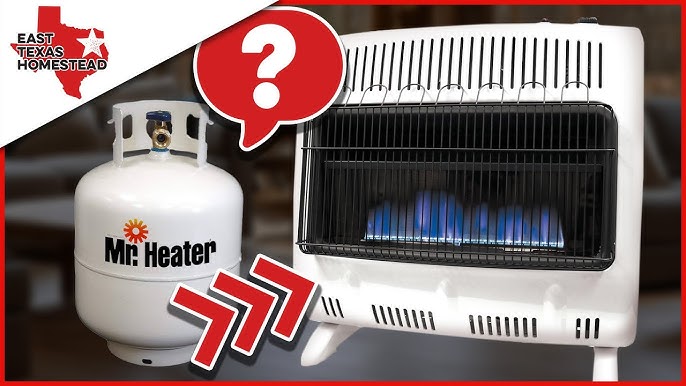
- Use an outdoor propane tank with a permanent line. A licensed pro can install a regulator, shutoff, and rigid piping through a wall to an indoor-rated appliance. The tank stays outside. The appliance is listed for indoor use and vented as required.
- Choose electric appliances. Portable induction cooktops, space heaters with tip-over protection, and heat pumps are safe indoors if used as directed.
- Use natural gas or propane only with proper venting. Fireplaces, wall heaters, boiler systems, and ranges must be listed for indoor use and installed to code.
- RV or tiny home setups. Use sealed, exterior-access propane compartments and listed appliances. Follow the RV code, not DIY shortcuts.
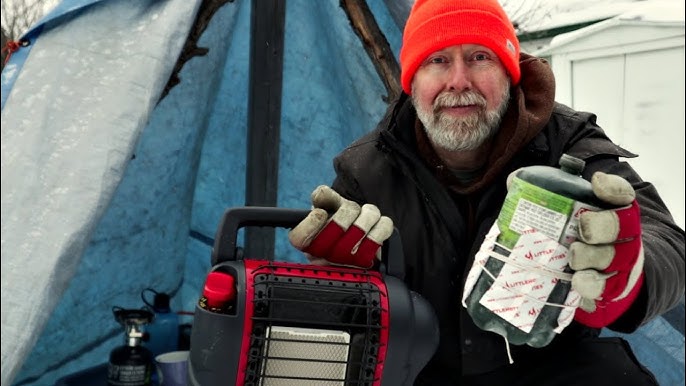
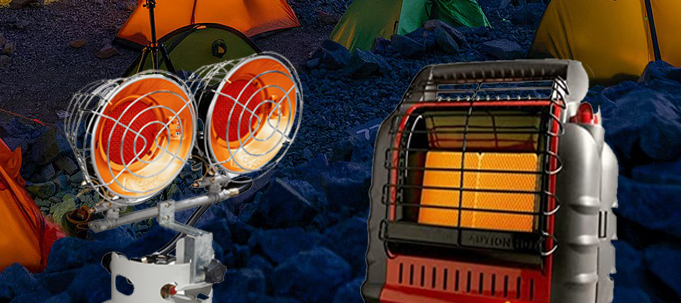
- Emergency use only, with caution. Some portable heaters are listed for indoor use with 1 lb cylinders and have oxygen-depletion sensors. Even then, follow directions to the letter. Crack a window, add a CO detector, and never sleep with it on. Local rules may still prohibit use.
Notice what is not on this list: putting a 20 lb cylinder next to your stove or heater indoors. So, can you use a 20 lb propane tank indoors if you add a fan or crack a window? Still no.

If you handle a 20 lb cylinder at home, do it right
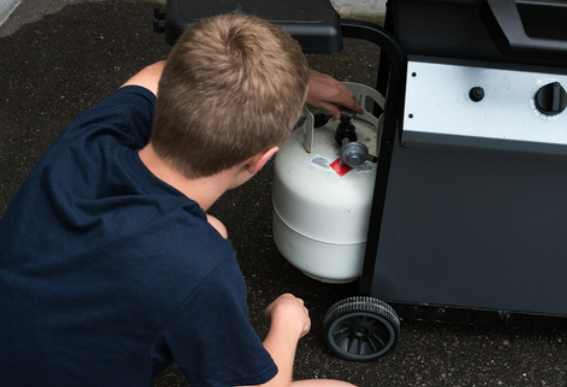
You will likely use a 20 lb propane tank outside for grills or fire pits. Here is safe practice I teach homeowners.
- Storage. Keep tanks outside, upright, on a stable base, and out of direct heat. Never store a tank indoors, in a shed with poor airflow, or in a car trunk.
- Distance. Place the tank at least a few feet from doors, windows, dryer vents, and ignition sources. Keep clear of crawlspace vents.
- Transport. Secure the tank upright in your vehicle. Do not leave it in a hot car. Close the service valve and use the cap.
- Leak checks. Use soapy water on all connections. Bubbles mean a leak. Replace faulty hoses and regulators at once.
- Detectors. Install a UL-listed carbon monoxide alarm and combustible gas detector in your home. They are cheap insurance.
You might ask again: can you use a 20 lb propane tank indoors if it’s “just for a minute”? The safe answer is still no.
Real-world lessons from the field
I once inspected a basement where a 20 lb cylinder fed a portable heater. The owner thought it was fine because the garage door was cracked. A pinhole leak at the hose crimp had filled the low spots with gas. When the furnace kicked on, the spark could have lit the room. We removed the tank, aired out the space, and moved him to an electric heater that day.
In another case, a tenant used a grill with a 20 lb tank on a balcony near a sliding door. Wind pushed gas inside through the track. A small pilot light downstairs set off a flash fire. No one was hurt, but it was a close call.
Those jobs shaped my stance. When people ask can you use a 20 lb propane tank indoors, I tell them what I saw: it only takes one tiny leak and one bad second.
Myths, quick facts, and what actually works
There are many half-truths around this topic. Let’s clear them up.
- “I can put the tank by an open window.” Airflow at window height won’t remove gas that pools near the floor.
- “A CO detector will protect me.” CO alarms do not detect propane leaks. You need a combustible gas detector, and even that is not a license to break code.
- “Commercial sites do it.” They use trained staff, strong ventilation, listed gear, and permits. Homes do not meet those safeguards.
So, can you use a 20 lb propane tank indoors with special sensors or fans? No. The safe path is to keep the tank outside and use listed equipment inside.
Frequently Asked Questions of can you use a 20 lb propane tank indoors
Is it ever legal to use a 20 lb propane tank indoors in a house?
No. Residential codes prohibit portable cylinders like 20 lb tanks inside dwellings. Some industrial sites have exceptions under strict controls.
Can I connect an indoor stove to a 20 lb tank through a window?
No. Running a hose through a window is not a code-compliant installation. Use a licensed pro to install an outdoor tank with proper piping and shutoffs.
Are 1 lb propane cylinders safe to use indoors?
Only with appliances listed for indoor use, and only with ventilation and CO protection. Even then, local rules may still prohibit it.
Will cracking a window make it safe to use a 20 lb tank inside?
No. Propane is heavier than air and can pool near the floor. A window does not fix that risk.
Can I store a 20 lb propane tank in my garage or basement?
No. Do not store any propane cylinder in a garage attached to the home or in a basement. Store it outside, upright, and away from heat and openings.
What if the power is out and I need heat now?
Use indoor-rated heaters as directed or go to a safe location. Never bring a 20 lb propane tank indoors as a workaround.
Do insurance companies cover fires caused by indoor propane tanks?
Claims can be denied when code violations are involved. Investigators look for improper fuel sources and setups.
Conclusion
The short, safe, and legal answer to can you use a 20 lb propane tank indoors is no. Codes forbid it, and the risks of leaks, fire, and carbon monoxide are real. Keep cylinders outside, use listed indoor appliances, and get professional installations when you need gas inside.
Take action today. Check where your tanks sit, add CO and gas detectors, and plan safe heat and cooking backups. If you found this helpful, subscribe for more home safety guides or drop your questions in the comments.