Yes, you can put foil in a Chefman air fryer, but only if you keep it flat and away from the fan. The metal sheet must never cover the entire basket bottom or touch the heating element at the top. Leave at least one inch of open space around the edges for airflow.
Yes, You Can Use Foil Safely With These Rules
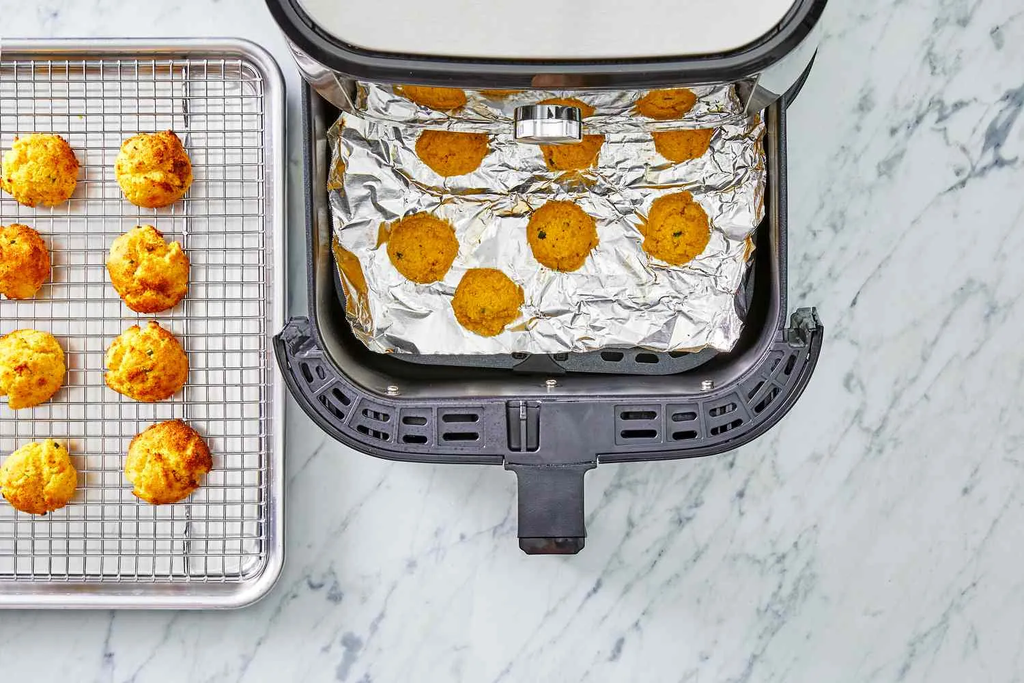
The short answer is yes, aluminum foil works fine in a Chefman air fryer when you follow specific placement rules. The danger comes from how people use foil inside the small cooking chamber. Air fryers rely on a powerful fan to push hot air around food. Lining the whole basket or crumpling foil stops air circulation. Loose foil can get sucked into the heating element, causing sparks or smoke.
You must treat the foil as a tool for catching drips, not as a liner for the whole pan. Place small sheets under messy items like marinated chicken wings or cheesy nachos. Ensure food weight holds the foil down firmly before starting. Never let metal hang over the basket edge where the fan pulls air. If foil lifts during cooking, it creates an unignorable fire hazard.
Tip: Always weigh the foil down with food before turning on the machine. Loose pieces can fly into the heating coil and spark instantly.
How to Place Foil in a Chefman Air Fryer
Using foil correctly requires a specific method to ensure safety and good cooking results. The steps below show exactly how to prepare and place the metal so it helps rather than hurts your cooking process.
- Cut the foil to size. Tear off a piece that’s smaller than the food you plan to cook. It should never be larger than the base of the basket.
- Smooth out all wrinkles. Press the sheet flat with your hands so no raised edges stick up. Bumpy foil blocks air and creates hot spots.
- Place it in the center. Set the smooth sheet right in the middle of the perforated basket tray. Don’t let it touch the sides.
- Add food immediately. Put your ingredients directly on top of the foil right away. The weight of the food locks the metal in place.
- Check the gap around edges. Look closely to ensure at least one inch of basket holes remains visible all around the foil.
- Avoid covering vents. Make sure no part of the foil covers the holes in the bottom or sides of the basket.
- Inspect before starting. Give the basket a gentle shake to confirm the foil doesn’t move or lift up easily.
This method ensures the hot air still hits the food from all angles. The foil catches the mess below while the air cooks the top and sides. Many users make the mistake of trying to line the whole drawer to avoid cleaning.
Best Cleaner for Chefman Air Fryer: Top 5 Products to Melt Away Grease
What Happens If You Block the Air Vents
Blocking airflow changes cooking and can damage the unit over time. Covering bottom holes with foil leaves hot air nowhere to go. You might notice the top burns while the center stays cold.
Restricted airflow makes the motor work harder. Fan resistance strains internal components. This stress can shorten the appliance’s life. You might hear louder fan noises during operation. This signals a blocked air path. The heating element may cycle more frequently due to abnormal temperatures.
Food quality suffers immediately when vents are covered. Crispy skins require direct hot air contact. If air can’t reach the bottom, moisture gets trapped. The result is a soggy, un-browned bottom layer. Flipping food halfway often fails to fix this. Trapped steam keeps the texture soft.
| Problem Cause | Visible Symptom | Immediate Result |
|---|---|---|
| Foil covers bottom holes | Top burns, bottom stays raw | Uneven cooking throughout |
| Foil touches heating element | Sparks or flashing light | Fire hazard and smoke |
| Foil lifts into fan path | Loud rattling noise | Damage to fan blades |
| Full basket lining | Food stays soft and pale | Steamed texture instead of crisp |
These outcomes show why partial coverage is safest. Most problems stem from covering too much area. Small, flat foil prevents these issues. Remember the basket holes are there for a reason. They’re essential for air frying physics.
Can Foil Cause Sparks or Damage the Machine?
Many people worry that metal and electricity always equal danger, but context matters here. Aluminum foil doesn’t cause sparks simply by sitting in the basket. The problem occurs only when the foil interacts with the heating element or the fan. If a loose corner flies up and touches the glowing coil, it creates an electrical arc. This looks like a mini lightning bolt and produces smoke quickly.
This sparking event can scorch the interior coating of your air fryer. Repeated incidents might degrade the non-stick surface over time. In severe cases, the spark could ignite oil droplets nearby, leading to a small fire. While modern units have safety shutoffs, you don’t want to test them.
Another risk involves the fan blades. If a piece of foil gets sucked into the spinning fan, it makes a terrible grinding noise. This can bend the blades or break the motor shaft. Once the fan is damaged, the unit can’t circulate air effectively anymore. Repairing this often requires professional service or replacing the whole machine. Since foil is cheap and fans are expensive, prevention is clearly the better choice.
You should also consider the type of food you’re cooking. Acidic foods like tomatoes or lemon marinades can react with aluminum. This reaction might give your food a metallic taste after prolonged contact. While not dangerous to your health, it ruins the flavor profile of the dish. For acidic items, consider using parchment paper designed for air fryers instead. That material handles acid better and still provides a non-stick surface.
Warning: Never use foil with lightweight foods like leafy greens or loose herbs. The fan will blow them right off the foil and into the heater.
When Should You Avoid Using Foil Entirely?
There are specific situations where using foil is a bad idea regardless of how careful you are. Lightweight foods are the biggest category to avoid. Items like spinach, kale, or small herb leaves have very little weight. The strong fan inside the Chefman unit can easily lift them even if they sit on foil. Once airborne, they stick to the heating element and burn instantly.
Cooking recipes that require flipping also pose a challenge with foil. If you need to turn your food halfway through, lifting the item might pull the foil up with it. As you flip a burger or chicken breast, the suction or friction can dislodge the metal sheet. Then it floats free inside the chamber while the machine runs. This distraction increases the chance of accidental contact with the hot coil.
Certain baked goods need direct contact with the basket holes to rise properly. Things like soufflés or some types of bread rely on bottom heat penetration. A layer of foil insulates the bottom too much, preventing the proper lift. Your pastry might end up dense and gummy instead of fluffy. In these cases, the slight extra cleanup is worth the better texture outcome.
Also, avoid foil if you’re cooking frozen items that release a lot of water initially. As ice melts, water pools on the foil since it can’t drain through the holes. This creates a boiling puddle under your food rather than a crispy base. The food essentially steams in its own meltwater. Letting the water drip through the basket normally allows it to evaporate or collect in the drawer below. This keeps the cooking environment dry and hot.
Is Parchment Paper a Better Alternative?
Parchment paper offers a safer and often more effective solution for many air fryer tasks. Unlike foil, it doesn’t conduct heat or reflect it away from the food. This means your food browns more evenly on all sides. The paper is porous enough to let some air pass through while still catching grease. Many brands sell pre-cut rounds specifically sized for popular air fryer models including Chefman.
The main advantage of parchment is that it stays put better than foil. It doesn’t have the same rigid memory that makes foil want to spring back. Once you place food on parchment, it tends to remain flat against the basket. There’s less risk of it flying up into the fan. Also, parchment handles acidic foods without altering the taste of your meal.
However, parchment has its own limitations you must respect. It can burn if it touches the heating element directly. Unlike foil which might just spark, paper will catch fire and smoke heavily. You must still weigh it down with food before starting. Never run the air fryer with empty parchment inside for even a minute. The high heat will ignite it rapidly without any food to hold it down.
| Feature | Aluminum Foil | Parchment Paper |
|---|---|---|
| Heat Reflection | High (can block bottom heat) | Low (allows even browning) |
| Air Permeability | Zero (blocks all airflow) | Partial (lets some air through) |
| Risk if Loose | Sparks at heating coil | Catches fire and burns |
| Best For | Catching heavy grease/drips | Baking cookies or delicate items |
| Acid Reaction | Yes (alters flavor) | No (flavor stays neutral) |
Choosing between them depends on what you’re cooking that day. Use foil for heavy, greasy meats where you want to reflect heat and catch drips. Choose parchment for baked goods, vegetables, or acidic dishes. Both require the same rule: never cover the entire basket floor. Leave the edges open for air circulation.
Frequently Asked Questions
Will foil ruin the non-stick coating of my basket?
No, foil won’t ruin the coating if you place it gently. Scratching happens only if you scrub hard or slide sharp edges across the surface. Always press the foil down softly with your fingers instead of dragging it. If you remove the foil carefully after cooking, the basket remains intact. Rough handling is the real enemy, not the metal itself.
Can I reuse the same piece of foil multiple times?
You shouldn’t reuse foil in an air fryer for safety reasons. Used foil collects grease and food particles that can burn during the next cycle. These burnt bits create smoke and bad odors in your kitchen. Fresh foil is inexpensive and ensures a clean cooking environment every time. Discard it after each use to avoid contamination risks.
Does using foil change the cooking time significantly?
Using foil correctly doesn’t change the cooking time much at all. Since you leave the edges open, the air circulation remains mostly normal. However, if you accidentally cover too much area, you may need to add a few minutes. Check your food a couple of minutes earlier than usual just to be safe. Adjust based on how crispy the results look.
Is it safe to use foil with frozen foods?
It’s safe only if the frozen items are heavy enough to hold the foil down. Light frozen veggies or small nuggets might shift and expose the foil. Heavy items like frozen steaks or large patties work well. Ensure the foil is flat and weighted immediately. Watch the first few minutes closely to ensure nothing lifts up.
What do I do if the foil starts smoking during cooking?
Turn off the machine immediately and unplug it from the wall. Don’t open the basket right away because fresh oxygen can feed a fire. Wait for the fan to stop and the unit to cool slightly. Once safe, remove the basket and take out the foil carefully. Clean any residue before trying to cook again.
Can I wrap food completely in foil like an oven?
No, you can’t wrap food completely in foil inside an air fryer because it blocks airflow and prevents crisping. Use foil only as a base layer, not as a full wrapper.
Conclusion
Keep your meals crispy and your kitchen safe by respecting the airflow rules. Treat foil as a helper for messes, not a replacement for the basket design. With careful placement, you can enjoy easy cleanup without sacrificing performance. Next time you cook, try a small test batch to see how your favorite recipe responds.