Steaming your floors can sanitize hard, sealed surfaces, but mopping is safer and more flexible for most cleaning jobs. Is steaming your floors better than mopping? The answer depends on your floor type, the dirt you need to remove, and how much moisture the surface can handle. Steam cleaners use high heat and little or no chemical solution, while mops lift away dirt with water, cleaner, and a pad.
After testing many floor-cleaning methods in real homes, one lesson stands out: no single tool wins every time. Steam can be excellent for sealed tile, vinyl, and some sealed hardwood, but the wrong heat or moisture can damage delicate floors. This guide explains when to steam, when to mop, and how to clean each surface without costly mistakes.
What Is the Difference Between Steaming and Mopping?
Mopping uses a wet or damp pad to loosen and pick up dust, grime, food spills, and tracked-in soil. Most traditional mops work with water and a floor-safe cleaning solution. Spray mops and microfiber mops use less water than old-style string mops, which makes them safer for many floors.
Steam cleaning uses heated water to create vapor. The vapor loosens dirt and may reduce many common germs on a suitable surface when the steam reaches the correct temperature for enough time. A steam mop usually has a washable pad that absorbs the loosened soil.
The main difference is how each method handles dirt:
• Mopping removes soil by lifting it into a pad or bucket.
• Steam loosens soil with heat, then the pad must pick it up.
• Mopping can add cleaning agents designed to cut grease.
• Steam uses little or no chemical cleaner.
• Steam leaves less liquid behind when used correctly.
This means steaming your floors better than mopping is not a universal rule. Steam is a tool for specific surfaces and tasks, not a replacement for every kind of floor care.
Is Steaming Your Floors Better Than Mopping for Germs?
Steam can reduce many bacteria and other microorganisms on hard, sealed surfaces. However, the result depends on the machine, the surface, the steam temperature, the contact time, and the amount of dirt present. A quick pass over a dirty floor does not guarantee complete disinfection.
Cleaning and disinfecting are also different tasks. Cleaning removes dirt and germs from a surface. Disinfecting uses a product or process intended to destroy many disease-causing germs after the surface has been cleaned.
For everyday household cleaning, removing soil is often the first priority. Dirt can shield germs from heat and disinfectants. If someone in your home is sick, follow public health guidance and use a registered disinfectant according to its label when disinfection is needed.
Steam may help in areas such as:
• Sealed bathroom tile
• Kitchen floors with dried food spots
• Entryways with tracked-in grime
• Areas where you want to reduce the use of cleaning chemicals
Still, steam is not a magic shield. It does not replace handwashing, surface cleaning, or proper sanitation in high-risk settings. This is one reason steaming your floors better than mopping depends on your cleaning goal.
We Tested 9 Best Steam Cleaners That Melts Away Years of Grime
benefits of Steam Mopping
Steam mops can make routine cleaning faster and simpler. They heat water inside the machine and produce steam through a mop head. Many models need only a small amount of water and have washable microfiber pads.
Less Chemical Residue
Steam cleaning can reduce the need for scented floor products. This may appeal to people who dislike strong odors or want fewer cleaning chemicals in the home. Even so, “chemical-free” does not mean risk-free. Heat and moisture can still harm the wrong floor.
Fast Drying
A steam mop usually leaves less water than a soaked traditional mop. A thin layer of moisture can dry in minutes on a sealed surface. Faster drying may reduce slippery floors and limit the time moisture sits in grout or seams.
Useful for Sticky Soil
Heat can soften dried spills, grease, and tracked-in residue. The mop pad can then collect the loosened material. You may still need to pause and rinse or replace the pad, especially in a busy kitchen.
Reusable Pads
Washable microfiber pads create less waste than disposable wipes. Wash them after each use and avoid fabric softener, which can reduce microfiber’s ability to absorb soil.
Convenient for Small Messes
A steam mop can be handy when you need to clean a small area after cooking or a pet accident. It is ready to use without filling a bucket or measuring cleaner.
These advantages explain why some people feel steaming your floors better than mopping is true. The benefits are real, but they apply mainly to compatible, sealed floors.
:max_bytes(150000):strip_icc()/steam-cleaning-hardwood-floors-1314829_0119-5795837f88da4c8d8fe03db5e45ec461.jpg)
Limitations and Risks of Steam Cleaning Floors
Steam cleaning has important limits. The biggest mistake is assuming that every hard floor can tolerate heat and moisture.
Steam can force moisture into seams, cracks, joints, and worn finish. Repeated exposure may cause swelling, discoloration, peeling, or gaps. High heat can also soften adhesives or affect protective coatings.
Avoid steam cleaning unless the flooring maker approves it for:
• Unsealed hardwood
• Waxed wood
• Unsealed natural stone
• Cork
• Bamboo with uncertain construction
• Laminate with open edges or damaged seams
• Floors with loose tiles or failing grout
• Surfaces with peeling finish
Some flooring brands allow steam mops on specific products. Others warn against them. Always check the care guide for your exact floor, not just the general material name. “Water-resistant” also does not always mean “steam-safe.”
Steam may also spread dirty water if the mop pad becomes saturated. A dirty pad can leave a gray film across the floor. Change or rinse the pad as soon as it looks soiled.
Another concern is heat injury. Steam can burn skin quickly. Keep children and pets away while the machine is hot, and never point steam at your hand to test it.
Is Steaming Your Floors Better Than Mopping for Different Floor Types?
The safest cleaning method depends on the material, finish, and condition of the floor. Here is a practical guide.
Tile and Grout
Sealed ceramic and porcelain tile usually handle steam well. Steam can loosen grime on the tile face and soften dirt near grout lines.
Use caution with porous or unsealed grout. Steam may push moisture into the grout, and repeated wet cleaning can contribute to staining or deterioration. A soft brush and a suitable tile cleaner may work better for deep grout cleaning.
Sealed Hardwood
Some sealed hardwood floors may allow steam, but many manufacturers advise against it. Heat and moisture can enter tiny gaps or damage the finish over time.
A lightly damp microfiber mop is usually the safer choice. Dry spills quickly, avoid standing water, and never flood a wood floor.
Laminate
Laminate floors often have a fiberboard core that can swell when moisture enters the seams. Some newer products are more water-resistant, but the manufacturer’s instructions still matter.
Use a dry dust mop or a lightly damp microfiber mop unless the care guide specifically approves steam.
Luxury Vinyl Plank
Some luxury vinyl plank floors are approved for steam, while others are not. Excess heat may affect the wear layer, adhesive, or plank shape.
Use a spray mop with a floor-safe cleaner when the manufacturer does not clearly approve steam. Do not let water sit around plank edges.
Natural Stone
Marble, limestone, travertine, and other natural stones may be porous. Steam can move moisture into the stone and may worsen problems in cracked or poorly sealed surfaces.
Use a pH-neutral stone cleaner and a soft microfiber mop. Avoid vinegar, harsh acids, and unapproved abrasive products.
Concrete
Sealed concrete may tolerate steam, but unsealed concrete can absorb moisture and stain. Dust and grit can also scratch polished concrete.
Sweep or vacuum first, then use a damp mop with a cleaner approved for the finish.
For all floor types, the answer to is steaming your floors better than mopping should begin with the manufacturer’s care instructions.
When Is Mopping the Better Choice?
Mopping is often the better option when the floor has visible soil, grease, or a delicate finish. It gives you more control over the cleaning solution and the amount of water used.
A microfiber mop can remove dust, hair, tracked-in dirt, and small spills without creating much moisture. For greasy kitchen residue, a properly diluted floor cleaner may cut through oil more effectively than steam alone.
Choose mopping when:
• The floor maker does not approve steam.
• The surface is unsealed or porous.
• You need to remove a greasy film.
• The floor has damaged seams or a worn finish.
• You are cleaning a large area with heavy soil.
• You need a product labeled for a specific germ-control task.
Mopping also makes it easier to see how much dirt you remove. With a two-bucket method, one bucket holds cleaning solution and the other holds rinse water. This helps keep the mop from spreading dirty water across the room.
A damp microfiber mop is not the same as a soaking-wet mop. Wring the pad well, work in small sections, and replace dirty water often. These simple steps can make mopping more effective and safer.
How to Steam Your Floors Safely
If your floor is approved for steam, use the machine with care. Good technique matters as much as the equipment.
- Read the floor and steam mop instructions. Look for warnings about heat, moisture, finishes, and cleaning products.
- Sweep or vacuum first. Grit can act like sandpaper under the mop head.
- Test a hidden spot. Let the area dry fully and check for dullness, color change, swelling, or tackiness.
- Use clean water. Unless the machine allows it, avoid adding detergent, vinegar, essential oils, or disinfectant to the tank.
- Attach a clean pad. A dirty pad can smear soil and leave streaks.
- Keep the mop moving. Do not park a hot steam mop in one spot.
- Use short passes. Excessive steam creates more moisture than the floor needs.
- Change the pad when it becomes dirty. Several clean pads work better than one saturated pad.
- Let the floor dry. Keep pets and children away until the surface is no longer hot or damp.
- Empty and dry the machine. This helps reduce odors, mineral buildup, and mold growth inside the unit.
One common mistake is using maximum steam on every floor. Start with the lowest useful setting and increase it only when the care guide allows it.
How to Mop Floors Correctly
Good mopping starts before the mop touches the floor. Dust, hair, and grit should be removed first. Otherwise, water can turn loose dirt into a thin muddy film.
Use this simple process:
- Vacuum or sweep the floor.
- Choose a cleaner made for the floor material.
- Follow the dilution instructions on the label.
- Dip or spray the mop lightly.
- Clean in small sections.
- Rinse or change the pad often.
- Keep wood, laminate, and other moisture-sensitive floors only slightly damp.
- Allow the floor to dry before walking across it.
Do not mix bleach with ammonia, vinegar, or other cleaners. Dangerous fumes can form. Also avoid using more cleaner than directed, because extra product can leave residue and make floors look dull or sticky.
For a deeper clean, wash microfiber pads separately from lint-producing fabrics. Skip fabric softener and high heat when the care label warns against them.
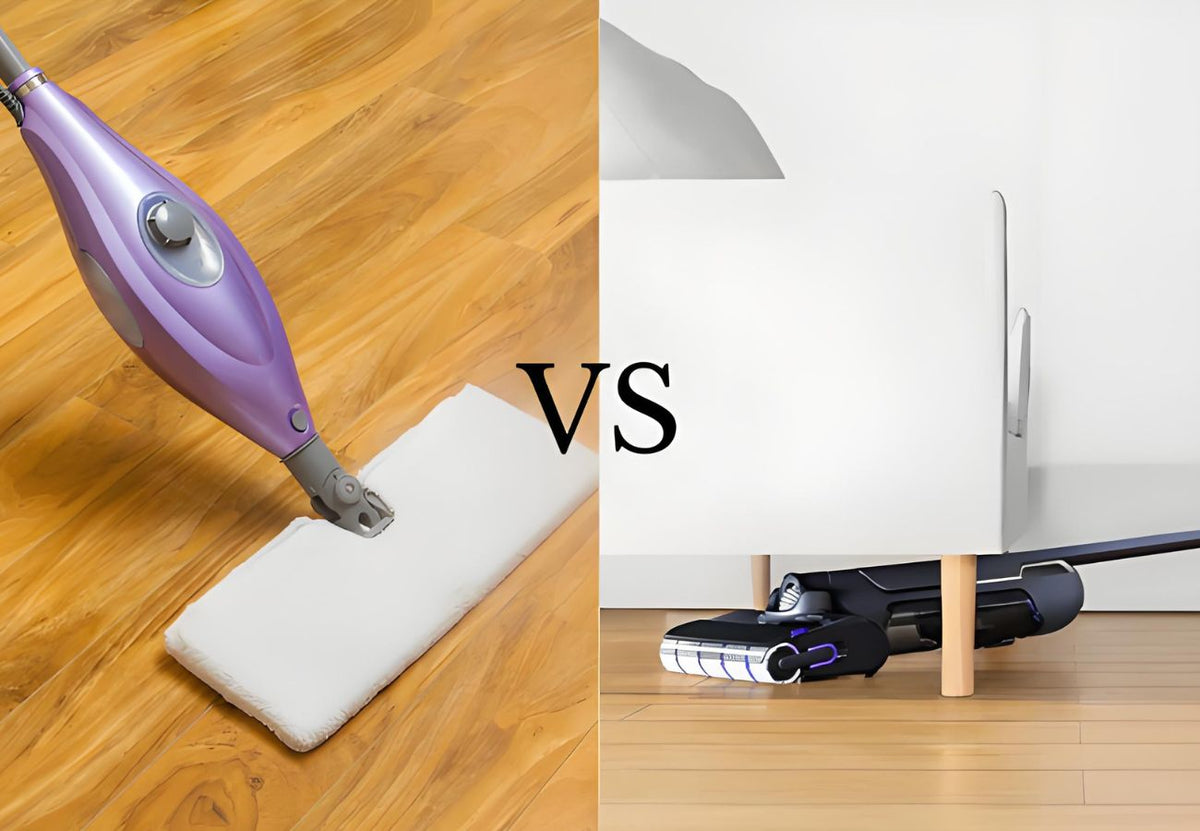
Steam Mop vs. Traditional Mop: A Simple Comparison
The best tool depends on the job. This comparison can help you choose.
| Feature | Steam mop | Traditional or microfiber mop |
|---|---|---|
| Uses chemicals | Often no | Usually may use cleaner |
| Water left behind | Low when used correctly | Varies by mop and technique |
| Grease removal | Moderate | Stronger with the right cleaner |
| Germ reduction | Possible on approved sealed surfaces | Depends on cleaner and method |
| Floor compatibility | Limited | Broad, if the cleaner is suitable |
| Risk to delicate floors | Higher | Lower with a damp pad |
| Large, dirty areas | May need many pads | Often more practical |
| Setup | Quick after heating | Quick, especially with spray mops |
The table shows why there is no single winner. Steam offers heat and convenience. Mopping offers broader compatibility and stronger control over soil and cleaning chemicals.
So, is steaming your floors better than mopping? For sealed tile with light to moderate soil, it may be. For wood, laminate, grease, or unknown flooring, damp mopping is often the safer choice.
Common Mistakes to Avoid
Many floor problems come from small habits rather than the cleaning tool itself.
Skipping the Manufacturer’s Guide
A generic internet tip cannot replace the flooring warranty or care sheet. If the guide says “no steam,” follow it.
Using Steam on a Dirty Pad
Steam does not make a dirty pad clean. Once the pad is gray or wet, it may spread soil rather than remove it.
Leaving the Mop in One Place
Stationary heat can damage finishes, soften adhesives, or create a visible dull spot. Keep the mop moving.
Adding Unapproved Products
Vinegar, oils, soap, and disinfectants can damage the machine or leave residue. Use only what the machine and floor instructions allow.
Cleaning Without Vacuuming
Grit can scratch floors during either steaming or mopping. A quick vacuum often improves the result more than extra passes with a wet mop.
Assuming “Natural” Means Safe
Vinegar and essential oils are popular, but they are not safe for every floor. Acids can etch natural stone, and oils may leave a slippery coating.
Expecting One Pass to Deep-Clean Everything
Heavy buildup may need pre-treatment, gentle scrubbing, or more than one cleaning step. Rushing can damage the surface.
A Practical Cleaning Routine for Most Homes
For many households, a mixed routine works best. It uses the least aggressive method that can do the job.
Daily or As Needed
• Wipe spills right away.
• Use a dry microfiber mop or vacuum for dust and crumbs.
• Place mats near exterior doors.
• Keep pet claws trimmed to reduce scratches.
Weekly
• Vacuum or sweep every room.
• Damp mop floors according to their care instructions.
• Wash microfiber pads after use.
• Inspect seams, grout, and finish for damage.
When Needed
• Use steam only on floors approved for steam.
• Treat greasy spots with a compatible cleaner.
• Clean grout with a soft brush when regular mopping is not enough.
• Disinfect high-touch areas when illness or household conditions call for it.
This routine prevents soil from building into a hard film. It also reduces the need for intense heat, harsh chemicals, or repeated scrubbing.
In hands-on cleaning, the biggest improvement often comes from using less water and changing pads more often. A clean, damp microfiber pad can outperform a powerful machine used on a gritty floor.
Frequently Asked Questions About Is Steaming Your Floors Better Than Mopping?
Can steam mops damage hardwood floors?
Yes, steam can damage some hardwood floors by pushing heat and moisture into seams or weakening the finish. Use steam only when the flooring manufacturer clearly approves it; otherwise, choose a lightly damp microfiber mop.
Is a steam mop more hygienic than a regular mop?
A steam mop may reduce more microorganisms on a compatible, sealed surface when used correctly. It is not automatically more hygienic because the pad can still spread dirt, and steam does not replace proper cleaning or disinfection.
Can I use a steam mop on laminate flooring?
Only use one if the laminate manufacturer specifically allows it. Many laminate floors have moisture-sensitive cores that can swell at the seams, so a lightly damp mop is often safer.
Does steam cleaning remove grease from floors?
Steam can soften some grease, but it may not remove a heavy oily film by itself. A floor-safe cleaner and clean microfiber pad may work better for greasy kitchen floors.
How often should I steam clean my floors?
Steam only as often as the floor care instructions permit and as needed for the level of soil. For many homes, regular vacuuming and damp mopping are enough, with occasional steam cleaning on approved surfaces.
Can I add cleaner to a steam mop?
Usually, no. Adding cleaner, vinegar, oils, or disinfectant can damage the machine, create residue, or produce unsafe vapors unless the manufacturer expressly permits it.
Is steam cleaning safe for pets and children?
It can be safe when used correctly, but the mop head and vapor can cause burns. Keep children and pets away while the machine is hot, and wait until the floor is cool and dry.
Conclusion
Is steaming your floors better than mopping? Sometimes, but not across the board. Steam works well for many sealed tile and other approved hard surfaces, especially when you want low-chemical cleaning and quick drying. Mopping remains the safer, more flexible choice for delicate floors, greasy soil, unknown materials, and regular maintenance.
Check the floor manufacturer’s instructions first. Vacuum or sweep before wet cleaning, use clean pads, avoid excess moisture, and never assume a powerful tool is automatically the best tool. Choose the gentlest method that removes the soil, then share your floor-care experience or explore more practical home-cleaning guides.