You should avoid using heat and moisture on delicate surfaces, as many items are unsuitable for steam cleaning. These machines force hot vapor into materials, which often leads to warping, peeling, or water damage. This guide covers which materials can’t handle the pressure of steam, the risks involved with misuse, and how to identify safe surfaces in your home.
Surfaces sensitive to heat and moisture
Steam cleaners work by heating water to a high temperature to create vapor, which is then pushed through a nozzle at high pressure. This combination of intense heat and moisture is excellent for sanitizing hard, non-porous surfaces, but it’s destructive to anything that absorbs water or reacts poorly to high temperatures.
The most common mistake people make is assuming that because a machine is designed for cleaning, it’s safe for all household items. Using steam on the wrong material can cause instant, irreversible damage. For instance, high-heat vapor can melt synthetic fibers or cause natural wood to swell and warp. If you’re unsure about a surface, always test a small, hidden area first. If the material changes color, texture, or shape, stop immediately. This isn’t a tool for every job; it’s a specialized device meant for sealed surfaces like tile, grout, and stainless steel.
Guidelines for safe steam usage
To keep your home in good condition, follow these steps to manage your cleaning process safely.
- Check the manufacturer’s manual for your specific steam cleaner to confirm the maximum temperature and pressure settings for your model.
- Identify the surface material you intend to clean; if it’s unsealed wood, delicate fabric, or porous stone, don’t use steam.
- Fill the reservoir with the recommended amount of water, typically 1 to 2 liters depending on the tank size, and wait for the indicator light to show the unit is ready.
- Maintain a distance of at least 2 to 4 inches from the surface when working on delicate but heat-resistant areas to prevent heat buildup.
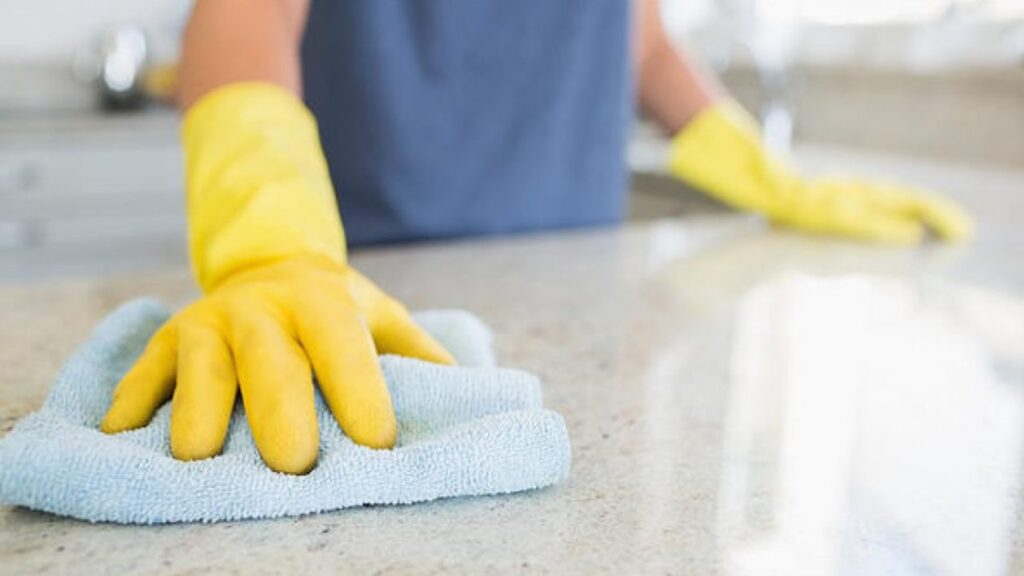
- Wipe away loosened debris immediately with a clean, dry microfiber cloth to prevent moisture from sitting on the surface.
- If you’re cleaning near electrical outlets or appliances, ensure the power is off and avoid directing steam into any gaps or openings.
The critical judgment call is the dwell time. If you leave the steam nozzle in one spot for too long, you risk damaging even “safe” surfaces by forcing moisture into the sub-layers.
Quick reference for surface safety
| Situation | What to use | How long | What to watch for |
|---|---|---|---|
| Sealed tile floors | Steam mop | 2-3 seconds per area | Water pooling |
| Stainless steel | Handheld steamer | 1-2 seconds | Streaking or spots |
| Grout lines | Concentrated nozzle | 3-5 seconds | Color fading |
| Sealed hardwood | Damp cloth only | N/A | Wood swelling |
| Delicate fabrics | Low-heat setting | Quick passes | Shrinking |
If you see standing water on tile, stop immediately. Excess moisture seeps into the subfloor, which triggers mold growth within 48 hours.
For stainless steel, always move with the grain. If you go against the grain, you trap steam in the microscopic grooves, causing permanent water spots.
When cleaning grout, perform a patch test in a hidden corner. If the grout darkens or crumbles, your seal is compromised and heat will cause structural damage.
Avoid steam on hardwood entirely. Even sealed wood has tiny gaps between planks. Steam forces moisture into these seams, causing the wood to buckle or warp.
Finally, check the garment tag for a triangle symbol. If it has an X through it, don’t use steam. The heat breaks down synthetic fibers, permanently ruining the drape of the fabric.
Achieving professional cleaning results
Experienced cleaners know that the secret to a great result is the balance between heat and mechanical action. They prepare by clearing the area of loose dust first, as steam can turn dry dust into a wet, sticky mess that’s harder to remove. They also work in sections, cleaning and drying as they go to ensure no excess moisture remains on the surface.
One mistake beginners make is using the highest pressure setting for every task. High pressure is rarely necessary for routine cleaning and often forces moisture into places it shouldn’t go, such as behind baseboards or into the seams of furniture. If you’re cleaning a vertical surface, always work from the top down. This allows gravity to pull the dirty water downward, keeping the cleaned areas clear of runoff.
Common problems and quick fixes
| What you notice | What it usually means | What to do first |
|---|---|---|
| Surface feels tacky | Too much moisture | Wipe with a dry cloth |
| Streaks left behind | Residue from old cleaners | Rinse with plain water |
| Wood looks dull | Heat damage to finish | Stop using steam immediately |
| No steam output | Clogged nozzle | Let cool, then descale |
Tacky surfaces often signal that you’re holding the steamer in one spot for more than three seconds. If the wood remains damp after wiping, you have oversaturated the grain, which risks permanent swelling.
Streaks are rarely a defect of the machine. They occur when the steam reactivates leftover wax or soap film from previous floor products. If a water rinse fails, use a diluted vinegar solution to strip the chemical buildup.
Dullness is a warning sign that the protective polyurethane layer is softening. If the finish feels soft to the touch, you have already caused heat damage. You must switch to a dry microfiber mop to prevent peeling.
If your nozzle stops outputting steam, check the tank for mineral deposits. This happens if you use hard tap water instead of distilled. If the unit still fails after descaling, the internal heating element has likely failed.
Regulatory standards for appliance safety
When operating any household appliance, safety depends on following the guidelines set by the Consumer Product Safety Commission. They emphasize that electrical devices must be used in accordance with the manufacturer’s instructions to prevent fire or electrical shock.
Never attempt to modify the pressure valve or the heating element of your steam cleaner. These are critical safety features designed to prevent the unit from bursting under pressure. A common mistake is ignoring minor leaks, which often signal internal seal degradation.
If your machine shows signs of leaking or if the cord is frayed, stop using it immediately. Consult a professional technician to avoid injury. That indicates a short circuit that could cause a house fire.
6 Best Commercial Steam Cleaner For Tile And Grout (We Tested the Best)
Long-term care and maintenance
After you finish cleaning, empty the water reservoir completely to prevent mineral buildup and mold growth inside the tank. If you live in an area with hard water, use distilled water to extend the lifespan of your machine’s heating element. Once the unit is cool, wipe the exterior with a soft cloth and store it in a dry place. You should descale the internal components based on your frequency of use, following the guidelines provided in your owner’s manual, or whenever you notice a decrease in steam volume. If the machine stops heating properly even after descaling, it may be time to contact the manufacturer’s support line for a repair assessment.
When to avoid steam cleaning
This approach is the wrong choice for any surface that’s porous or sensitive to heat. You should avoid steam cleaning antique furniture, as the heat can ruin aged finishes and loosen glues.
For delicate fabrics like silk or thin synthetics, use a traditional garment steamer or professional dry cleaning instead. Steam can cause permanent shrinkage or fiber distortion in these materials within seconds.
Never use steam on musical instruments or electronics, as internal components are highly susceptible to moisture damage. If you see a “don’t steam” icon on a label, believe it. Ignoring this symbol often leads to irreversible warping or electrical shorts that void manufacturer warranties.
If you’re dealing with deep stains on delicate upholstery, a professional cleaning service is safer than risking a permanent mark with high-pressure vapor. When in doubt, test a hidden corner with a damp cloth first; if the color bleeds, steam will destroy it.
Frequently asked questions
Can I use a steam cleaner on hardwood floors?
No, you should avoid using a steam cleaner on most hardwood floors. The heat and moisture can cause the wood to warp, buckle, or lose its protective finish. Only use steam if your specific flooring manufacturer explicitly states that their product is rated for steam cleaning, and even then, use the lowest setting.
How long does it take for a surface to dry after steaming?
Most surfaces dry within 5 to 10 minutes if you have used the steam correctly. If the surface remains wet after 15 minutes, you have used too much steam. Always follow your cleaning pass with a dry microfiber cloth to absorb excess moisture and prevent water damage.
Is it safe to clean electronic screens with steam?
No, it’s never safe to use steam on electronic screens, including televisions and monitors. The internal components of electronics aren’t sealed against moisture, and the heat can damage the delicate coatings on the screen. Use only a dry, anti-static cloth or a screen-specific cleaner.
Why is my steam cleaner leaving water spots?
Water spots usually occur because the machine isn’t reaching the proper temperature to fully vaporize the water. This can happen if you move the nozzle too quickly or if the unit is struggling to maintain pressure. Let the machine heat up fully before starting and move at a slower, steadier pace.
How often should I descale my steam cleaner?
If you notice white flakes coming out of the nozzle or a drop in steam pressure, that’s your signal to perform a descaling cycle.
Can I clean leather with a steam cleaner?
No, you should never use a steam cleaner on leather. The intense heat will strip the natural oils from the leather, causing it to become brittle, crack, and lose its color. Use only products specifically formulated for leather care to maintain the material’s integrity and softness.
Conclusion
If you’re unsure about a surface, it’s always better to skip the steam and use a mild, surface-safe cleaner instead. Taking the time to check the material’s tolerance will save you from the cost of replacing damaged furniture or flooring.