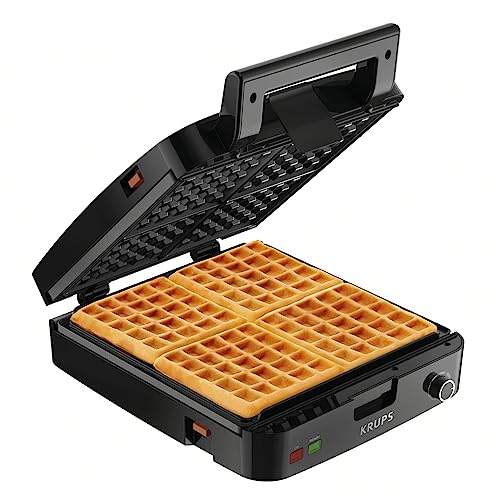
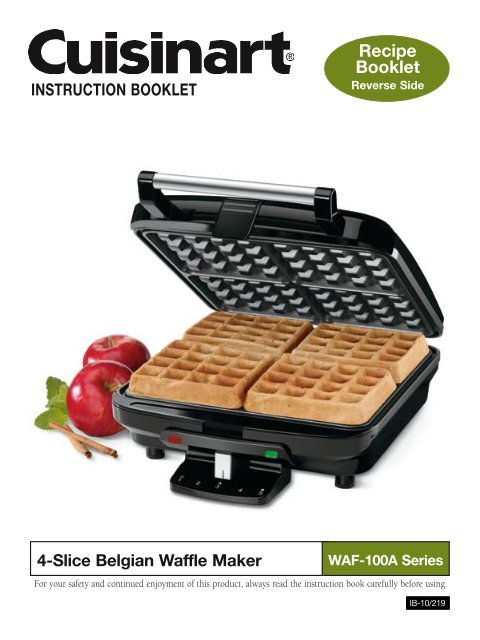
If you’ve ever been let down by a waffle that’s more limp than crisp, or felt tricked by a kitchen gadget promising café results and delivering only soggy disappointment, you’re in the right place. The Cuisinart Waffle Maker is a solid tool—if you know how to use it right. But the secret to restaurant-quality waffles is not just the recipe. It’s understanding how heat, metal, and batter work together. In this guide, you’ll learn a complete, reliable waffle recipe for your Cuisinart, but also the science that makes it work. You’ll see how metallurgy, thermodynamics, and batter chemistry come together for waffles that are crisp, golden, and never boring.
Why Waffles Go Wrong
Waffles can fail for many reasons. Often, it’s not your fault or your ingredients, but the interaction between your batter and your appliance. To make perfect waffles, you need to master these three areas:
- Metallurgy (how the waffle iron’s plates behave)
- Thermodynamics (how heat flows through the batter)
- Batter Chemistry (how ingredients produce crispness and rise)
Missing even one can lead to floppy, pale, or unevenly cooked waffles. Let’s break down how each works, and how your Cuisinart Waffle Maker is designed to help.
Metallurgy: What Makes The Cuisinart Waffle Maker Special
Your waffle maker’s cooking plates are the first critical factor. Most Cuisinart models use die-cast aluminum plates with a nonstick coating. Here’s why that matters:
- Aluminum is lightweight but conducts heat very efficiently. This means the plates heat up quickly and distribute heat evenly across the surface.
- The nonstick layer keeps waffles from sticking, but more importantly, allows for easy release, preserving the delicate crisp exterior.
If your waffle maker used cheaper steel or iron, you’d see hot spots and uneven browning. With Cuisinart’s aluminum, you get a reliable, consistent sear.
Pro tip: The thinness of the plates also matters. Cuisinart’s plates are thick enough for even heat, but thin enough to cool quickly, so your next batch doesn’t overcook.
Comparing Plate Materials
Here’s a side-by-side look at common waffle iron plate materials:
| Material | Heat Conductivity | Heat Retention | Result in Waffles |
|---|---|---|---|
| Aluminum (Cuisinart) | Excellent | Medium | Even browning, quick recovery |
| Cast Iron | Good | High | Great sear, slow to heat up |
| Stainless Steel | Poor | Low | Uneven, slow cooking |
Thermodynamics: The Art Of Heat Flow
A waffle’s texture comes from how heat moves through the batter. Your Cuisinart Waffle Maker is designed for:
- Fast, direct contact: The batter touches both hot plates at once, sealing the outside before moisture escapes.
- Consistent temperature: Built-in thermostats keep the plates at the right temperature batch after batch.
Why Preheating Matters
If you start with cold plates, the batter will spread and steam before it browns. This leads to pale, floppy waffles. Proper preheating lets the outer layer crisp instantly, trapping steam for a fluffy interior.
Insider tip: Let the maker preheat until the indicator says ready, then wait one extra minute. This ensures the entire plate—not just the thermostat spot—is evenly hot.
How Temperature Affects Texture
- Too low: Waffles stick, pale, and go soggy.
- Too high: Waffles burn outside, stay raw inside.
Most Cuisinart models run between 375°F and 410°F (190°C–210°C). This range is ideal for Maillard reaction—the browning that makes waffles taste toasty.
5 Best Cast Iron Waffle Maker: : The Cast Iron Tools That Fix Everything
Batter Chemistry: Building The Perfect Waffle
Now, let’s talk about the recipe itself. The secret to crisp, golden waffles is a careful balance of proteins, starches, and fats. Here’s what each does:
- Flour: Provides structure, but too much makes waffles chewy.
- Eggs: Bind and leaven; egg whites add crispness.
- Fat (butter/oil): Makes the exterior tender and helps browning.
- Sugar: Aids browning and adds flavor.
- Leavening (baking powder/soda): Creates bubbles for fluffiness.
Simple, Reliable Cuisinart Waffle Maker Recipe
This recipe makes four 7-inch waffles (serves 4) and takes about 20 minutes.
Ingredients
- 2 cups (250g) all-purpose flour
- 2 tablespoons sugar
- 2 teaspoons baking powder
- 1/2 teaspoon baking soda
- 1/2 teaspoon salt
- 2 large eggs, separated
- 1 3/4 cups (420ml) buttermilk (or milk + 1 tbsp vinegar)
- 1/2 cup (115g) melted unsalted butter, cooled
- 1 teaspoon vanilla extract
Optional Additions
- 1/2 cup mini chocolate chips or berries (for mix-ins)
- 1 teaspoon cinnamon (for warmth)
Step-by-step Cooking Instructions
- Preheat your Cuisinart Waffle Maker on the medium-high setting. Wait for the ready light, then give it one extra minute.
- In a large bowl, whisk together the flour, sugar, baking powder, baking soda, and salt.
- In a second bowl, mix the egg yolks, buttermilk, melted butter, and vanilla.
- In a third bowl, beat the egg whites with a hand mixer (or whisk hard) until soft peaks form. This helps make waffles extra crisp and light.
- Pour the wet ingredients into the dry. Stir just until combined—lumps are okay.
- Gently fold in the egg whites. Do not overmix; streaks are fine.
- If using, fold in chocolate chips or berries.
- Lightly grease the waffle plates with oil spray or a pastry brush—especially the first time.
- Pour enough batter to cover the center of the bottom plate (about 1/2–3/4 cup). Do not overfill.
- Close the lid and cook until the indicator light signals done, or until steam almost stops—usually 4–5 minutes.
- Lift out the waffle with a silicone spatula or tongs. Serve immediately for maximum crispness.
Practical Tips For Success
- Do not stack hot waffles—they steam and go limp. Place directly on a rack in a warm oven if making batches.
- Use room temperature eggs and milk for best rise; cold ingredients slow the Maillard reaction.
- Don’t open the lid early. This drops the plate temperature, leading to soggy spots.
- If your waffles are sticking, check the nonstick coating and re-season with a little oil.
Advanced Science: Beyond The Recipe
Let’s go deeper. Why do these steps matter? Here’s what’s really happening:
The Role Of Metallurgy
Aluminum’s high conductivity means heat flows quickly into the batter. The nonstick layer allows the cooked surface to pull away cleanly, preserving the crispness. If your plates lose their coating or warp, heat transfer becomes uneven, causing part of the waffle to burn and part to undercook.
Thermodynamics In Action
When batter hits the hot plates, moisture flashes to steam, pushing the batter outward and upward. The plates’ even heat ensures this happens all over at once, giving a uniform, airy crumb inside and a firm shell outside.
If you use cold or overfilled plates, the heat can’t keep up, and you get dense, soggy waffles. This is why small batches and patience pay off.
Batter Chemistry Deep Dive
Waffles need structure and air. Flour and eggs set into a network, while melted butter coats the flour, making it tender. Beating egg whites adds bubbles that expand with heat, giving lift and crunch. Sugar helps the batter caramelize, enhancing both taste and color.
Buttermilk is acidic, helping baking soda react and create extra rise. It also tenderizes the gluten, so your waffles don’t turn tough.
Common Mistakes And How To Avoid Them
Even with a good recipe and appliance, a few errors can ruin your waffles. Here’s what to watch for:
- Using cold plates: Always wait for full preheat. Rushing this step creates limp waffles.
- Overmixing the batter: Stops air bubbles from forming. Mix just until combined.
- Forgetting to grease: Even nonstick plates need a little oil, especially after washing.
- Stacking hot waffles: This traps steam. Cool on a rack or eat right away.
- Pouring in too much batter: Overflow makes a mess and steams the waffles instead of crisping them.
- Not cleaning the plates: Old oil and crumbs create sticking. Wipe plates after each use.

Customizing Your Waffles: Flavor And Texture
The beauty of this recipe is its flexibility. You can tweak ingredients for different results:
- For extra crispness, swap 1/4 cup of flour for cornstarch. This weakens gluten, making the crust even crunchier.
- For richer waffles, use more butter or add a spoonful of sour cream.
- For lighter waffles, use sparkling water instead of some of the buttermilk.
- For vegan waffles, replace eggs with aquafaba (chickpea water) and butter with neutral oil.
Batter Variations
| Ingredient Adjustment | Effect on Waffle |
|---|---|
| +1 tbsp sugar | Sweeter, more browned |
| Substitute part flour with cornstarch | More crisp, lighter |
| Use oil instead of butter | Less flavor, slightly crisper |
| Add beaten egg white | Lighter, airier |
Understanding The Cuisinart’s Features
Cuisinart makes several models—round, square, Belgian, classic. All share key features:
- Indicator lights for ready and done
- Adjustable browning control
- Die-cast plates with nonstick coating
- Steam vents to release excess moisture
Browning Control: How It Works
The browning dial adjusts the plate’s temperature. Lower settings (1–2) make softer, lighter waffles. Higher settings (4–5) give a deeper brown and more crisp.
Insider insight: Most people set the dial too low, fearing burning. For classic Belgian waffles, a setting of 4 (or just below max) gives the best results.
Steam Vents And Moisture Management
Waffles release a lot of steam as they cook. Cuisinart’s steam vents let water vapor escape, preventing sogginess. Never block these vents, or you’ll trap moisture and undo all your work.
Cleaning And Maintaining Your Waffle Maker
A well-cared-for waffle iron gives better results. Here’s how to keep it in top shape:
- Unplug and cool before cleaning.
- Wipe plates with a soft, damp cloth. Avoid abrasive pads—they scratch the nonstick coating.
- For stubborn bits, pour a little water on the warm (not hot) plate, close the lid for 30 seconds, then wipe clean.
- Never immerse the appliance in water.
- Re-season plates with a thin layer of oil if waffles start sticking.
Advanced tip: If you spot flaking or discoloration, the nonstick coating may be failing. Replace the plates if possible; otherwise, use more oil and reduce sugar to prevent sticking.
Waffle Troubleshooting: When Things Go Wrong
Sometimes, despite your best efforts, something goes wrong. Here’s how to fix common issues:
- Soggy waffles: Plates not hot enough or too much batter. Preheat longer and use less batter.
- Waffles stick to plates: Not enough oil, or the nonstick coating is worn. Apply a little more oil, and don’t use metal utensils.
- Uneven color: Batter not mixed evenly, or the plates are dirty. Clean plates thoroughly and whisk batter just until combined.
- Dense, heavy waffles: Overmixed batter or not enough leavening. Fold ingredients gently and measure baking powder accurately.
The Science Of Crispness: Going Deeper
Let’s go one level deeper. The perfect waffle is crisp outside, tender inside. Here’s why that happens:
- Surface starches gelatinize at 212°F (100°C), forming a thin shell.
- Proteins from flour and eggs set, locking in air bubbles.
- Maillard reaction kicks in around 300°F (150°C), creating flavor and color.
All of this depends on fast, even heat and the right batter balance. If you use milk that’s too cold, or your plates are not fully preheated, the crust never forms.
Non-obvious insight: Humidity in your kitchen changes how long you need to cook your waffles. On rainy days, you may need an extra minute for full crispness.
Serving And Storing Waffles
Waffles are best eaten immediately, but sometimes you want to make batches ahead.
- To keep waffles crisp: Place them in a single layer on a wire rack in a 200°F (93°C) oven.
- To freeze: Cool completely, then wrap in foil and freeze. Reheat in a toaster or 350°F (175°C) oven for 5 minutes—never a microwave, which makes them soggy.
- To revive softness: A quick toast brings back crunch.
Topping Ideas
While syrup is classic, try these:
- Fresh fruit and whipped cream
- Nut butters and honey
- Savory: Fried chicken, bacon, or smoked salmon
- Ice cream and chocolate sauce
Pro tip: Add toppings just before eating to keep the waffle crisp.

Comparing Cuisinart To Other Waffle Makers
How does the Cuisinart stack up against competitors? Here’s a quick comparison:
| Brand | Plate Material | Heat Control | Ease of Cleaning | Waffle Texture |
|---|---|---|---|---|
| Cuisinart | Aluminum, Nonstick | Adjustable | Easy | Crisp, even |
| Hamilton Beach | Aluminum, Nonstick | Basic | Moderate | Good, sometimes uneven |
| Breville | Cast Aluminum | Advanced | Easy | Excellent, but pricier |
| Old Cast Iron | Cast Iron | Manual | Hard | Superb (with skill) |
Cuisinart balances performance, price, and ease of use, making it a favorite for home cooks who want consistent results.
The Final Word: Mastering Your Cuisinart
Great waffles are not about luck. They’re about understanding your appliance, your ingredients, and the science behind them. With the right approach, your Cuisinart Waffle Maker can deliver crisp, golden waffles every time—no gimmicks, no sogginess, just satisfaction.
Remember:
- Preheat fully for the best crust.
- Use balanced batter and don’t overmix.
- Clean and maintain your plates for long-lasting performance.
- Trust the science—and your own taste buds.
For those wanting to dive deeper into the physics and chemistry of cooking, check out this excellent primer on the Maillard reaction.
Frequently Asked Questions
Why Do My Waffles Turn Out Soggy In The Cuisinart?
Soggy waffles usually mean the plates were not hot enough, or you used too much batter. Make sure to preheat the plates fully and avoid overfilling. Cooling waffles on a rack, not a plate, helps steam escape and keeps them crisp.
Can I Make Gluten-free Waffles With This Recipe?
Yes! Use a 1:1 gluten-free flour blend. Add a tablespoon of cornstarch for extra crunch. Gluten-free batters are more delicate, so handle gently and don’t overmix.
What’s The Best Way To Clean The Cuisinart Waffle Maker?
Unplug and let cool, then wipe the plates with a damp cloth. Never use steel wool, which damages nonstick. For stuck bits, a little warm water and a soft brush work well. Avoid soap unless the manual says it’s safe.
How Do I Prevent Waffles From Sticking?
Always grease the plates lightly before the first batch and after washing. If sticking persists, check for scratches or wear on the nonstick surface. Don’t use metal utensils, which can damage the coating.
Is It Safe To Use Cooking Sprays On The Plates?
Most nonstick plates can handle oil-based sprays (not aerosolized “baking” sprays, which build up). For best results, use a paper towel dipped in oil or a silicone brush to coat the plates evenly.
If you follow these steps and understand the science, you’ll never settle for floppy, disappointing waffles again. Your Cuisinart Waffle Maker can finally live up to its promise: crispy, golden, and endlessly delicious waffles, every single time.