If you’re asking what replaces lemon juice in recipes, there are several easy substitutes. Lime juice is the closest in flavor, while vinegar (white, apple cider, or rice) adds acidity in baking or dressings. For a milder option, use orange juice, citric acid, or even cream of tartar, depending on the recipe. Choose based on whether you want a tart, citrusy, or acidic effect.
Kitchen Essentials for Citrus
If you find yourself frequently running out of fresh lemons, having a good juicer on hand makes processing bulk lemons faster so you can store the juice for later.
Automatic Citrus Juicer (Vinci): If you juice lemons often for cooking or drinks, a hands-free model can save you significant time and wrist strain.
Manual Citrus Press (Zulay Kitchen): These are highly effective at getting every drop of juice out of lemons and limes with minimal effort.
Top swaps: lime juice, vinegars, citric acid, yogurt, tamarind, and zest.
If you have ever asked what replaces lemon juice in recipes, you are not alone. I develop recipes for home cooks and busy pros, and I test swaps in real kitchens. This guide covers smart substitutes, exact ratios, flavor tips, and pitfalls. You will learn when to use lime, vinegar, citric acid, dairy, or global pantry stars for the same bright pop.
Understanding acidity and flavor balance
Lemon juice adds tang, aroma, and lift. It sharpens salt. It cuts fat. It balances sweet and bitter. It also keeps fruit from browning and helps gel pectin.
Its acidity is strong and clean. That is why so many cooks ask what replaces lemon juice in recipes without dulling flavor. You want sour plus a little citrus note, or at least clean acid that plays well with food.
In baking, acid can activate baking soda. In dressings, it sets the tone. In marinades, it adds brightness more than tenderizing. For canning, it sets safe pH. Swaps must respect the job lemon is doing.

Quick swaps that match lemon’s acidity (1:1)
Start with items that act close to lemon in sour strength. These work in many sauces, salads, and marinades.
- Lime juice: Use 1:1. It is the closest in taste and strength.
- White wine vinegar: Start with 3/4 the amount. Add drops until bright.
- Rice vinegar, unseasoned: Use 1:1 for light dishes and grains.
- Apple cider vinegar: Start with 2/3 the amount. Add a pinch of sugar if needed.
- Champagne vinegar: Use 1:1 in dressings and seafood.
- Citric acid solution: Mix 1/4 teaspoon citric acid with 1 tablespoon water. Use as 1 tablespoon lemon juice. It brings sour, not citrus aroma.
- Verjus (sour grape juice): Use 1:1. It is gentle and fruity.
When people ask what replaces lemon juice in recipes fast, these are the go-to picks. Always taste and adjust salt and sweetness at the end.
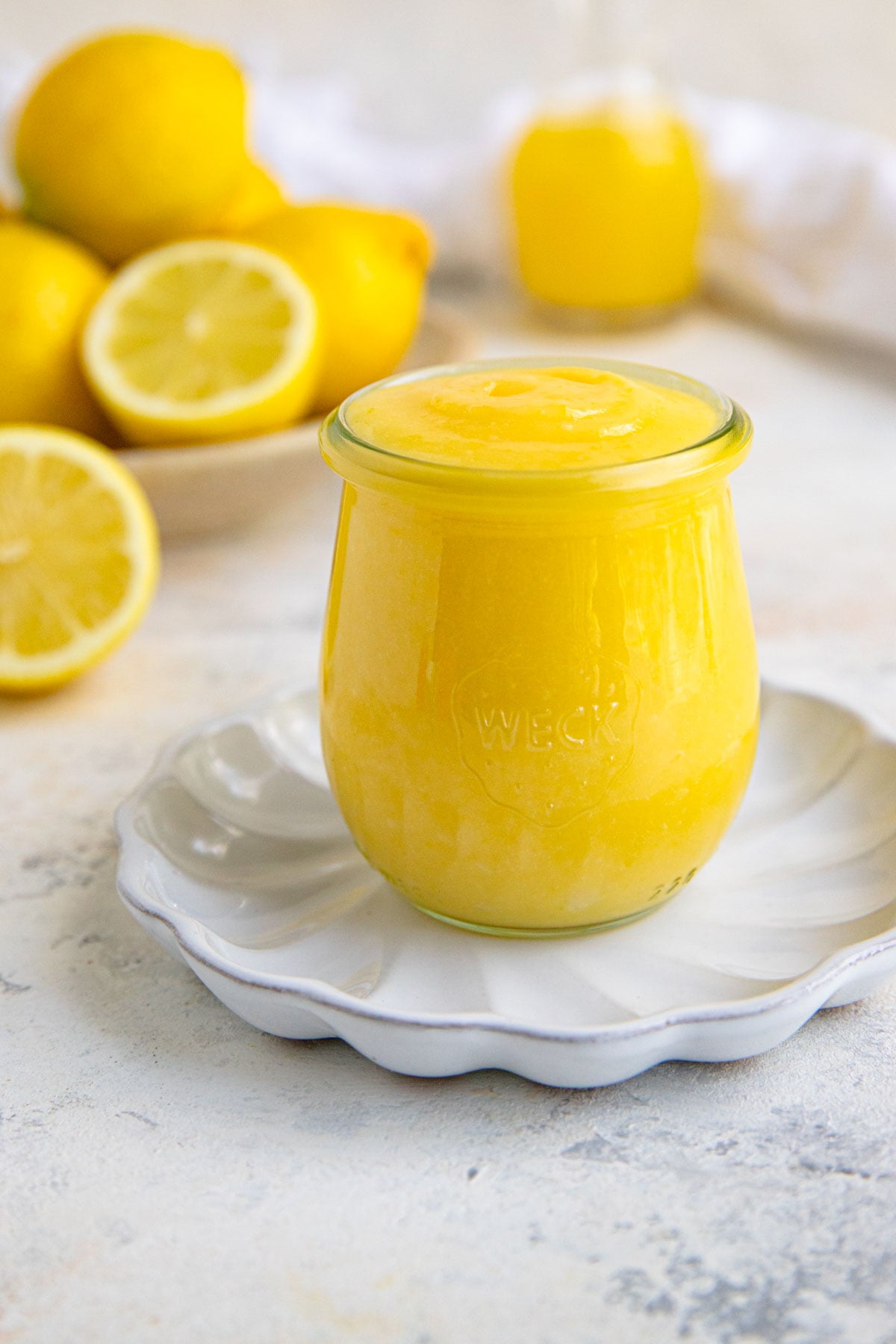
Baking substitutes that work
In baking, acid is chemistry. It can control rise, crumb, and color. Use swaps that keep the moisture and acid right.
- Buttermilk: For each tablespoon lemon juice in a batter, use 1 tablespoon buttermilk and reduce other liquid by 1 tablespoon.
- Plain yogurt: For marinades or batters, use 1 tablespoon yogurt thinned with 1 teaspoon water per tablespoon lemon juice.
- Sour cream: Adds richness. Thin with a little water for the same volume.
- Vinegar for cakes: Use 3/4 tablespoon white vinegar for 1 tablespoon lemon. Good in chocolate and red velvet.
- Cream of tartar: To activate baking soda, use 1/2 teaspoon cream of tartar per 1 teaspoon baking soda in dry mix.
- Citric acid: A pinch goes far. Dissolve 1/8 teaspoon in 1 tablespoon water for small bakes or glazes.
If you want what replaces lemon juice in recipes where rise matters, test the first batch. In my test kitchen, vinegar gave the best lift in snack cakes. Yogurt gave the best crumb in muffins.

How To Substitute Butter In Box Cake Mix?– Best Replacements for Moist Cakes
Global pantry substitutes with bold flavor
Many world kitchens lean on tart fruits and spices. These add depth that basic acid cannot.
- Tamarind paste: Use 1/2 to 1 teaspoon paste per 1 tablespoon lemon. Dilute with warm water. Great in chutneys, curries, and BBQ sauce.
- Sumac (ground): Use 1 teaspoon for each tablespoon lemon in rubs and dressings. Bloom in oil for best flavor.
- Amchur (dried green mango powder): Use 1/2 to 1 teaspoon per tablespoon lemon. Lovely in slaws, dals, and spice blends.
- Pomegranate molasses: Use 1 to 2 teaspoons per tablespoon lemon, then reduce any sugar. Great with roasted veg and lamb.
- Kokum (sour garcinia): Soak a piece in hot water. Use the soak like lemon in stews and lentils.
- Sour cherries or verjuice: Blend or splash in pan sauces for meat or fish.
If you wonder what replaces lemon juice in recipes for savory depth, these are stars. They add sour plus aroma and color.
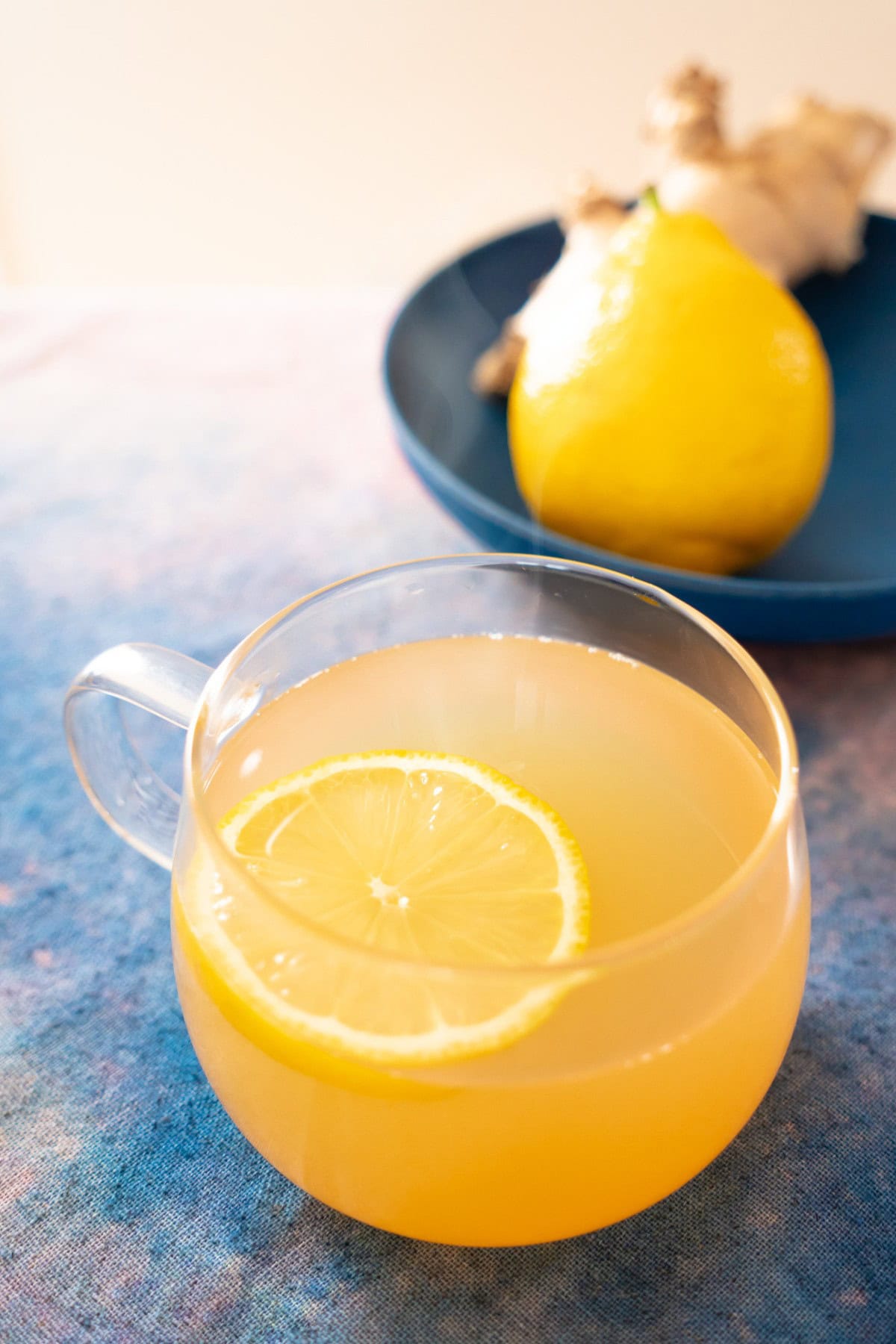
Zest and aroma alternatives
Sometimes you need the lemon note, not just acid. You can layer aroma and acid from different sources.
- Lemon zest: Use 1 teaspoon zest for each tablespoon lemon juice to add citrus aroma. Still add another acid for sour.
- Preserved lemon: Use 1 teaspoon finely minced peel in salads, couscous, and fish. Rinse to control salt.
- Lemon oil or extract: Use 1 to 2 drops per tablespoon of a neutral acid like rice vinegar.
- Other citrus zest: Lime, orange, or grapefruit zest can fill the aroma gap.
In blind tests, zest plus rice vinegar fooled many tasters. If you ask what replaces lemon juice in recipes for fragrance, this combo is key.

How to choose the right swap by recipe
Match the job, then the taste. Here is a quick guide I use on set.
- Salad dressings: Lime juice 1:1. Or white wine vinegar with a little zest.
- Marinades for chicken or fish: Yogurt or buttermilk for body. Add lime or rice vinegar for pop.
- Pan sauces: White wine with a splash of vinegar. Or verjus.
- Soups and stews: Apple cider vinegar at the end, 1 teaspoon at a time. Or tamarind for depth.
- Guacamole and salsas: Lime 1:1. Or rice vinegar plus a pinch of sugar.
- Baked goods: Vinegar for lift. Yogurt for tender crumb. Add zest for citrus note.
- Cocktails and mocktails: Lime 1:1. Or citric acid solution with a drop of lemon oil.
- Fruit and veg browning control: Dilute vinegar bath. Or citric acid solution.
If you still ask what replaces lemon juice in recipes across the board, lime is first. Vinegars and citric acid are next. Aroma from zest seals the deal.
Conversion guide and ratios
Use this cheat sheet when you are short on time.
- 1 tablespoon lemon juice = 1 tablespoon lime juice.
- 1 tablespoon lemon juice = 3/4 to 1 tablespoon white wine or rice vinegar.
- 1 tablespoon lemon juice = 1 tablespoon verjus.
- 1 tablespoon lemon juice = 1 tablespoon water mixed with 1/4 teaspoon citric acid.
- 1 tablespoon lemon juice in dressing = 1 teaspoon pomegranate molasses plus 1 teaspoon water.
- 1 tablespoon lemon juice in curry = 1 teaspoon tamarind paste diluted to taste.
- For baking soda activation: 1/2 teaspoon cream of tartar per 1 teaspoon baking soda.
I keep this on my fridge. It nails what replaces lemon juice in recipes when I am mid-cook and out of citrus.
Safety, storage, and shelf life
For canning and long-term preserves, do not swap lemon juice unless the recipe was tested with that acid. Safe pH matters. Use bottled lemon juice for those jobs.
To prevent browning on apples or avocados, use a mild acid dip. Mix 2 cups cold water with 1 teaspoon citric acid or 2 tablespoons vinegar. Soak briefly, then drain.
Store fresh citrus juice in the fridge for 3 to 4 days. Freeze in ice cube trays for months. Store citric acid dry in a sealed jar. These habits answer what replaces lemon juice in recipes even on busy weeks.
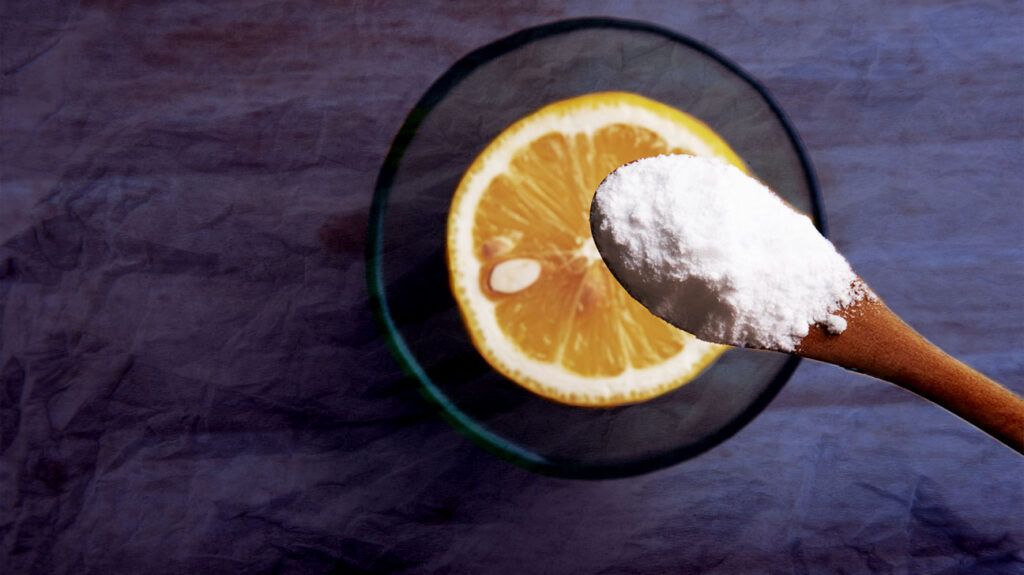
Common mistakes and pro tips
These swaps are simple, but small errors dull flavor.
- Using too much vinegar: Start low. Add drops.
- Forgetting sweetness: Acid may need a pinch of sugar or honey.
- Skipping salt: Acid shines when salt is right.
- Ignoring aroma: Add zest, preserved lemon, or extracts when you miss citrus.
- Color shifts: Tamarind and sumac add tint. Plan the plate.
Pro tips I use:
- Layer acid. Use a soft acid in cooking and a fresh splash to finish.
- Taste triangle. Check salt, sour, and sweet. Adjust in that order.
- Write ratios on your spice jars. It saves time when you need what replaces lemon juice in recipes fast.
Frequently Asked Questions of What replaces lemon juice in recipes?
What can I use instead of lemon juice for salad dressing?
Use lime juice at a 1:1 ratio. Or use white wine vinegar and add 1 teaspoon lemon zest for aroma.
What replaces lemon juice in recipes for baking cakes?
Use 3/4 tablespoon white vinegar or 1 tablespoon yogurt for each tablespoon lemon. Add zest if you want citrus notes.
Can I swap lemon juice with citric acid?
Yes. Mix 1/4 teaspoon citric acid with 1 tablespoon water to replace 1 tablespoon lemon. It gives sour but no citrus smell.
What replaces lemon juice in recipes for guacamole?
Lime juice works best at 1:1. In a pinch, use rice vinegar and a small pinch of sugar.
Is vinegar stronger than lemon juice?
Vinegar has sharp acetic acid, while lemon has citric acid. Start with less vinegar, then taste and adjust.
Can I use orange juice instead of lemon?
Yes, but it is sweeter and less tart. Use more orange juice and reduce added sugar.
What replaces lemon juice in recipes for canning?
Do not swap in canning unless a tested recipe says so. Use bottled lemon juice for safe and stable acidity.
Conclusion
You have many smart answers to what replaces lemon juice in recipes. Lime stands in cleanly. Vinegars, citric acid, and global pantry stars cover the rest. Zest or preserved lemon add that sunny aroma when you need it.
Try one dish this week with a new swap. Note the ratio and your tweaks. Keep a small jar of citric acid, a bottle of rice vinegar, and a stash of zest in the freezer. Want more tested swaps and ratios? Subscribe, share your go-to fixes, or ask a question in the comments.