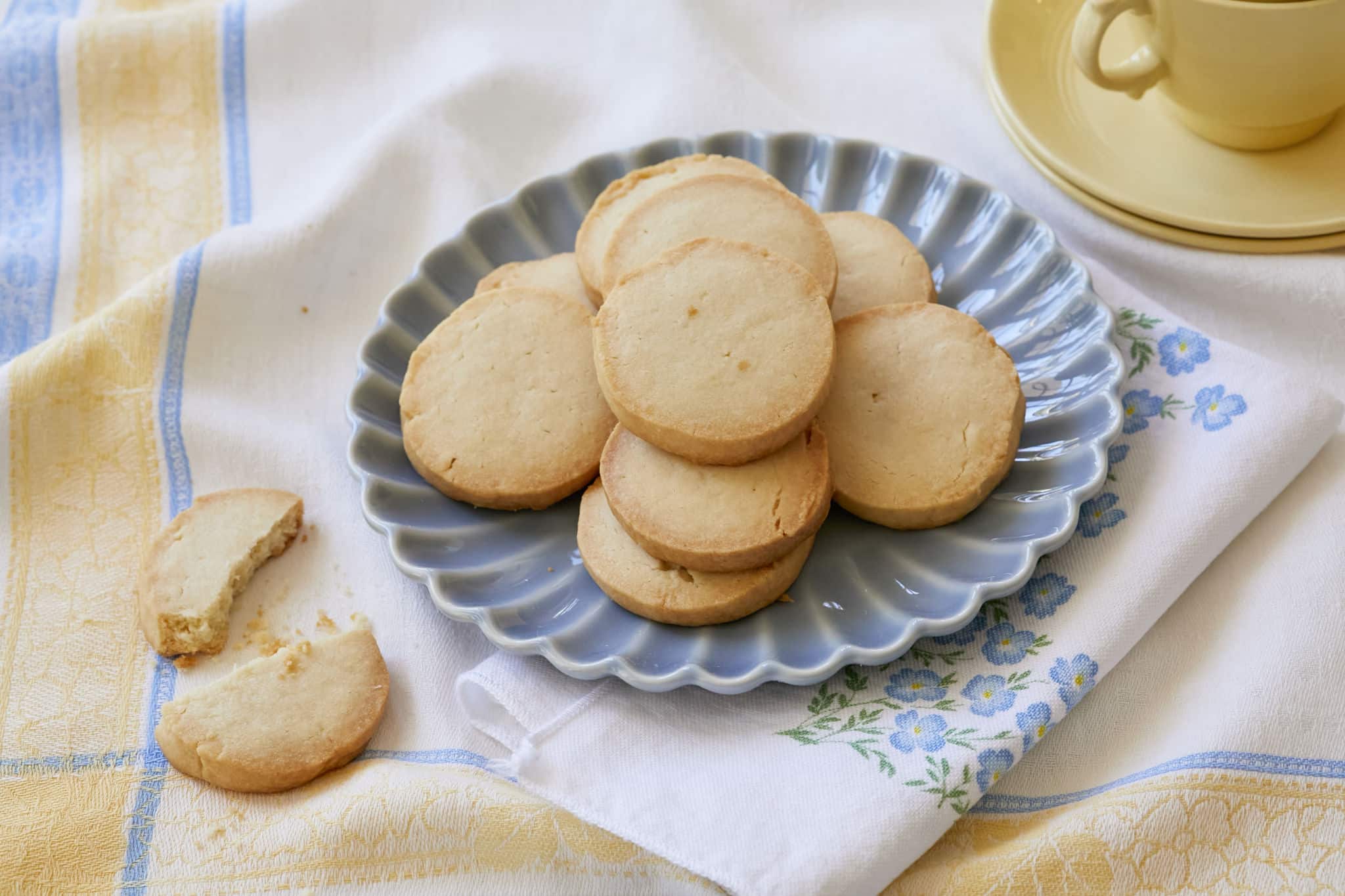
How to Replace Butter in Shortbread Cookies – Best Substitutes That Work
If you’re wondering how to replace butter in shortbread cookies, you can use alternatives like margarine, coconut oil, or vegan butter. These substitutes provide a similar fat content that helps maintain the cookie’s crumbly texture. Use the replacement in a 1:1 ratio for best results, though coconut oil may add a slight flavor to the cookies.
Shortbread is unique because it relies almost entirely on the fat (butter) for its characteristic melt-in-the-mouth texture and rich, toasted flavor. Replacing butter is tricky because it provides the structure, the flavor, and the moisture.
If you are planning to experiment with shortbread textures, these tools help ensure consistent, professional results:
Product
Why It’s Useful
Nordic Ware Shortbread Pan
Perfect for achieving those intricate, traditional patterns without the dough losing shape during the bake.
Digital Kitchen Scale
Essential for baking. Fat swaps change the weight of your ingredients; weighing by grams ensures your ratio stays perfect.
Silpat Non-Stick Baking Mat
Helps keep your cookies uniform and prevents the high-fat dough from browning too quickly on the bottom.
Replace butter with vegan butter, coconut oil, ghee, or shortening; adjust ratios.
You want that same tender snap and lush crumb, without dairy butter. I’ve tested swaps across many bakes, from bakery trials to home ovens. In this guide, I’ll show you How to replace butter in shortbread cookies? with simple ratios, clear steps, and flavor tips that work.
Source: sallysbakingaddiction.com
Understand what butter does in shortbread
Shortbread is simple: fat, flour, and sugar. That is why fat choice matters so much. Butter brings fat, a touch of water, milk solids, and flavor. Each part affects texture and spread.
Here is what butter does:
Tenderizes. Fat coats flour proteins, so gluten stays low and the crumb stays short.
Binds. A little water in butter helps pull the dough together.
Flavors. Milk solids caramelize and add a rich, nutty note.
Controls spread. Solid fat at room temp limits spread, so edges stay neat.
If you ask, How to replace butter in shortbread cookies?, start by matching these same roles. Choose a fat with similar firmness, then balance fat and water in the dough.
The best butter substitutes and how they behave
Different fats act in different ways. Pick based on flavor, structure, and your diet goals.
Plant-based butter sticks Most are 75–80% fat, like dairy butter. Use a 1:1 swap by weight. Choose stick formats, not tubs, for better structure. Salt levels vary, so taste and add a pinch of salt if needed.
Coconut oil It is 100% fat and firm when cool. Use 85–90% of the butter weight, and add 1–2 teaspoons water per 113 g butter replaced. Refined coconut oil has neutral flavor; virgin tastes like coconut.
Vegetable shortening It is 100% fat and very stable. Use 85–90% of the butter weight, plus 1–2 teaspoons water per stick you replace. Texture is very tender; flavor is milder than butter.
Ghee or clarified butter It is also 100% fat with deep dairy notes. Use 85–90% of the butter weight. Add a pinch of milk powder if you want more buttery dairy flavor.
Lard It is 100% fat and very tender. Use 85–90% of the butter weight. It has a clean, savory taste, great in plain or spiced shortbread.
Olive oil or other liquid oils These are liquid at room temp. Use 80–85% of the butter weight and add 1 egg yolk or 1 tablespoon milk for binding. Dough needs a chill for clean slices.
Nut and seed butters They have fat plus solids and protein. Replace 50–70% of the butter with nut butter, and 30–50% with coconut oil or plant butter. Expect a sandy, sturdy crumb and big nut flavor.
Cream cheese or mascarpone These add water and tang. For classic snap, use no more than 50% of the butter amount and keep the rest as butter or plant butter.
I keep the question front and center: How to replace butter in shortbread cookies? Match fat percentage, firmness, and flavor. This makes the swap feel easy, not risky.
Source: bakeschool.com
How to replace butter in shortbread cookies? Step-by-step
Use this roadmap to keep texture and flavor in line.
Start with a solid base Classic shortbread ratio is 1 part sugar, 2 parts butter, 3 parts flour by weight. One stick of butter is 113 g.
Choose your substitute and set the ratio
Plant butter: 1:1 by weight.
Coconut oil, shortening, ghee, lard: use 85–90% of the butter weight. Add 1–2 teaspoons water per 113 g butter to mimic butter’s water.
Oil: use 80–85%, add 1 egg yolk or 1 tablespoon milk.
Pick the right sugar Powdered sugar makes a fine, tender crumb. Granulated sugar gives a crisper bite. Both work with swaps.
Control temperature Keep fats cool but pliable. With oil, chill the dough well. With coconut oil, avoid warm rooms.
Mix with care Blend fat and sugar just to combine. Do not whip a lot of air. Add flour and mix until it comes together. Stop as soon as it holds.
Add tenderizers if needed For very firm fats like shortening, add 5–10% cornstarch or rice flour based on flour weight. It boosts melt-in-the-mouth texture.
Chill, shape, and bake Chill for 30–60 minutes. Roll or press, dock if needed, and cut. Bake at 300–325°F until edges set and centers look dry, 18–28 minutes depending on size.
Rest and cool Shortbread firms as it cools. Wait 10 minutes before moving. Full flavor blooms after a few hours.
This process answers How to replace butter in shortbread cookies? with a repeatable plan you can trust.
Source: fifteenspatulas.com
Quick PAA-style answers
Can I swap butter 1:1 with coconut oil?
Use 85–90% of the butter weight, since coconut oil is 100% fat. Add 1–2 teaspoons water per stick to help binding.
Will shortening make shortbread bland?
It can taste mild. Add vanilla, a pinch more salt, or a touch of brown butter powder for depth.
Can I use only olive oil?
Yes, but chill the dough well. Use 80–85% by weight and add an egg yolk or a spoon of milk for structure.
These fast tips still point to the core question: How to replace butter in shortbread cookies? Use ratios and chill time to guide you.
Flavor and texture tuning after a swap
You can fine-tune texture even with new fats. Small tweaks go far.
Add 5–10% cornstarch or rice flour based on flour weight. Texture becomes more delicate.
Use powdered sugar for a softer bite; use granulated for snap.
Add 0.7–1% salt based on total flour weight. Good salt unlocks butter-free flavor.
Boost flavor with vanilla, almond extract, citrus zest, or tea leaves.
Dip or drizzle with dark chocolate to add aroma and contrast.
Bake a touch longer at a lower temp if using oil. It sets shape before spread.
These tricks help whenever you ask, How to replace butter in shortbread cookies?, and want the same melt-in-mouth feel.
The “Stick” Rule: Always use solid fats (sticks or blocks) rather than tub margarine. Tub spreads contain too much water and emulsifiers, which will result in a flat, greasy, and tough cookie that loses its shape.
Keep It Cold: Shortbread relies on keeping the fat cold until it hits the oven. If you use coconut oil or vegan butter, ensure it is firm. If it gets too soft during mixing, pop your dough into the fridge for 20 minutes before baking.
Avoid Oil/Butter Blends: Steer clear of “spreads” that have liquid oil listed as the first ingredient. They will cause your shortbread to spread into a puddle on the baking sheet.
Diet goals and special cases
Your reason to swap changes the best choice.
Vegan or dairy-free Use plant-based butter sticks for a simple 1:1. Or use coconut oil at 85–90% weight plus a splash of water.
Lactose-free with dairy taste Ghee is lactose-free and rich. Use 85–90% weight and a pinch of milk powder if you want more dairy notes.
Nut-free kitchens Use plant butter or shortening. Avoid almond extract if there are severe allergies.
Gluten-free shortbread Use a 1:1 gluten-free flour blend and add 5–10% cornstarch for tenderness. Keep fat ratios the same and avoid overmixing.
In all cases, the plan for How to replace butter in shortbread cookies? is to match fat and firmness, then chill the dough.
Source: southernliving.com
Troubleshooting and fixes
Here are common problems and fast fixes I’ve learned in the kitchen.
Dough is too crumbly Add 1–2 teaspoons water or milk. Press, do not knead. Chill and try again.
Cookies spread too much Reduce fat by 5–10 g next time. Chill longer. Bake at 325°F instead of 350°F.
Texture feels greasy You likely used 100% fat at 1:1. Cut fat to 85–90% of butter weight or add 5–10% cornstarch.
Flavor seems flat Increase salt by a pinch. Add vanilla, zest, or a touch of espresso powder.
Pale color Bake a few minutes longer at a lower temp, or add a spoon of sugar for better browning.
These fixes support the core goal: How to replace butter in shortbread cookies? and keep control of spread, crumb, and taste.
Source: biggerbolderbaking.com
Tested mini-recipes you can bake today
These small-batch bakes were tested in my home oven. Each makes about 12 wedges or 18 small rounds.
Coconut oil shortbread
85 g refined coconut oil, 50 g powdered sugar, 150 g all-purpose flour, 2 teaspoons water, 2 g fine salt, 1 teaspoon vanilla.
Mix oil, sugar, salt, vanilla. Add water. Fold in flour. Press into an 8-inch pan, dock, chill 45 minutes. Bake at 315°F for 24–28 minutes. Cool and slice.
Vegan butter shortbread
113 g plant-based butter stick, 60 g granulated sugar, 165 g all-purpose flour, 15 g cornstarch, 2 g fine salt.
Cream butter and sugar until just smooth. Add dry mix. Press, chill 30 minutes. Bake at 325°F for 18–22 minutes.
Olive oil citrus shortbread
90 g extra-virgin olive oil, 1 egg yolk, 65 g powdered sugar, 170 g all-purpose flour, 2 g salt, zest of 1 lemon.
Whisk oil, yolk, sugar, zest, salt. Add flour. Roll between paper, chill 1 hour. Cut and bake at 300°F for 22–26 minutes.
Each formula reflects a method for How to replace butter in shortbread cookies? without losing that iconic crumb.
Shortbread keeps well if kept dry. Store in an airtight tin at room temp for up to 2 weeks. Layer with parchment to protect edges.
For max crisp, add a food-safe desiccant packet. If cookies soften, re-crisp in a 300°F oven for 5 minutes. Oil-based shortbread can feel softer on day one, but firms by day two. Ship in snug boxes with padding.
These tips still track back to the main goal: How to replace butter in shortbread cookies? and keep quality high from oven to table.
Frequently Asked Questions of How to replace butter in shortbread cookies?
What is the simplest swap for butter?
Use plant-based butter sticks at a 1:1 ratio by weight. They match butter’s fat level and stay firm when cool.
Can I make shortbread with only coconut oil?
Yes, but use 85–90% of the butter weight and add a bit of water. Chill the dough so it slices cleanly.
Will ghee taste like butter?
Ghee is rich and buttery but lacks milk solids. Use 85–90% by weight and add a pinch of milk powder if you want more dairy notes.
How do I prevent oil-based dough from spreading?
Chill well, bake at a slightly lower temperature, and avoid overmixing. You can also add a spoon of cornstarch for structure.
Does rice flour help with tenderness?
Yes. Swap 5–10% of the flour with rice flour or cornstarch. It improves that classic melt-in-the-mouth feel.
Can I reduce sugar when I change the fat?
You can, but expect a firmer bite and less browning. Reduce by no more than 10–15% for best texture.
How do I adjust salt when using salted plant butter?
Cut added salt by half and taste the raw dough. Tiny changes in salt can swing flavor a lot.
Conclusion
Now you have a simple, proven plan. Match fat levels, control dough temperature, and lean on small tweaks like cornstarch and chill time. That is how to replace butter in shortbread cookies? and still get a tender, crisp bite.
Pick one swap this week and bake a half batch. Note your ratios and results, then adjust by five grams here or a minute there. Share your bake, subscribe for more tested recipes, and drop your questions or wins in the comments.


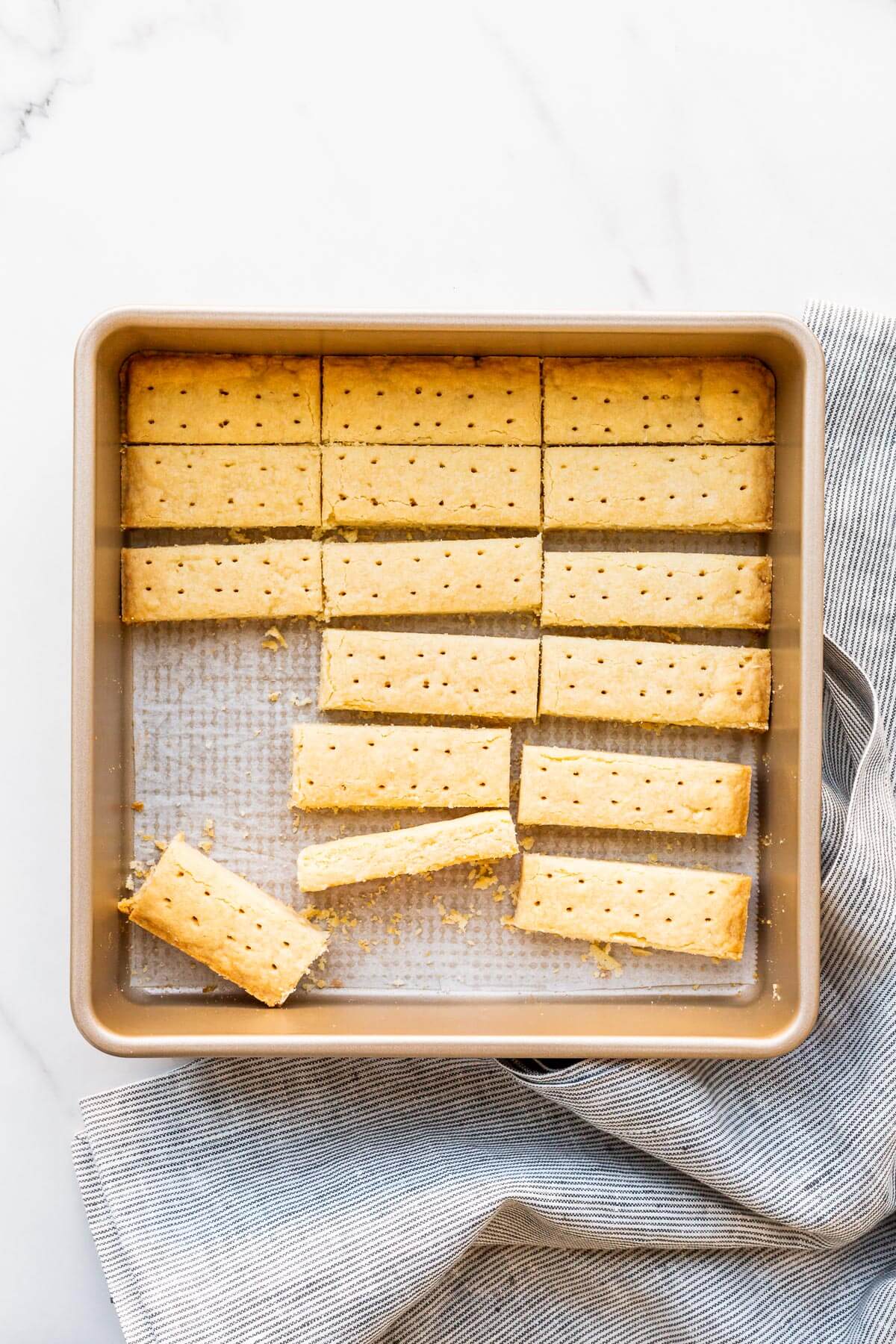


:max_bytes(150000):strip_icc()/2610001_saver_salted_butter_pecan_shortbread_c_0-895806ef03ab4604807f6b41d5027a22.jpg)