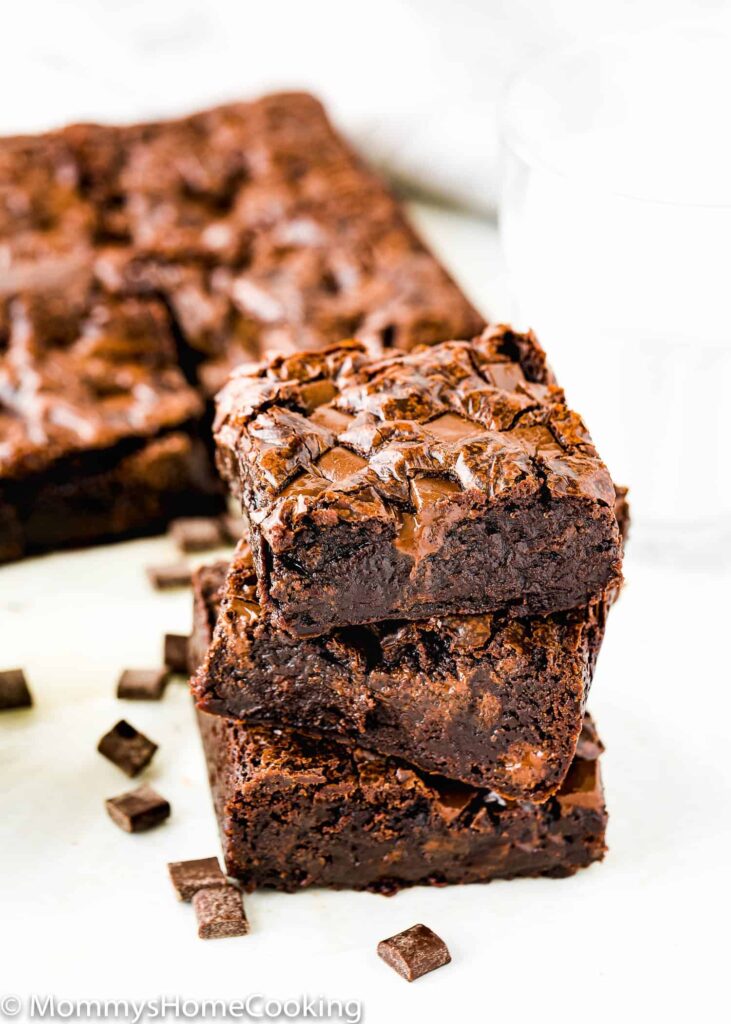
If you’re wondering what replaces melted butter in cookie recipes, you have several options. You can use coconut oil, vegetable oil, applesauce, or margarine as substitutes. Each affects texture slightly—oils make cookies chewier, applesauce adds moisture and softness, and margarine gives a similar richness to butter. Choose based on whether you want a softer, chewier, or lighter cookie.
My Personal Baking Essentials for Substitutions
If you want to keep reliable alternatives on hand, these are the most highly-rated products for cookie baking.
Product Why It’s a Top Choice Nutiva Organic Refined Coconut Oil Refined coconut oil is neutral-flavored, making it the perfect “invisible” substitute for melted butter in classic recipes like chocolate chip or sugar cookies. Miyoko’s Creamery European Style Vegan Butter If you need that specific “buttery” taste and texture, this is a gold standard for plant-based baking. It performs very similarly to dairy butter. Pure Indian Foods Organic Ghee Ghee is essentially pure butterfat. Because it is shelf-stable and rich, it is a fantastic staple for when you run out of fresh butter but still want that deep, golden flavor. Fage Total 5% Greek Yogurt Note: Available via Amazon Fresh/local grocers. Full-fat Greek yogurt is a great dairy alternative to lighten up a recipe while adding moisture and tanginess.
Use neutral oil, coconut oil, vegan butter, or shortening with small tweaks.
Wondering what replaces melted butter in cookie recipes? You’re in the right kitchen. I test cookie swaps for a living, and I’ve melted, whisked, and baked my way through dozens of alternatives. In this guide, I’ll break down what replaces melted butter in cookie recipes, how each swap changes texture and taste, and the exact formulas I use to get chewy centers and crisp edges—without guesswork.
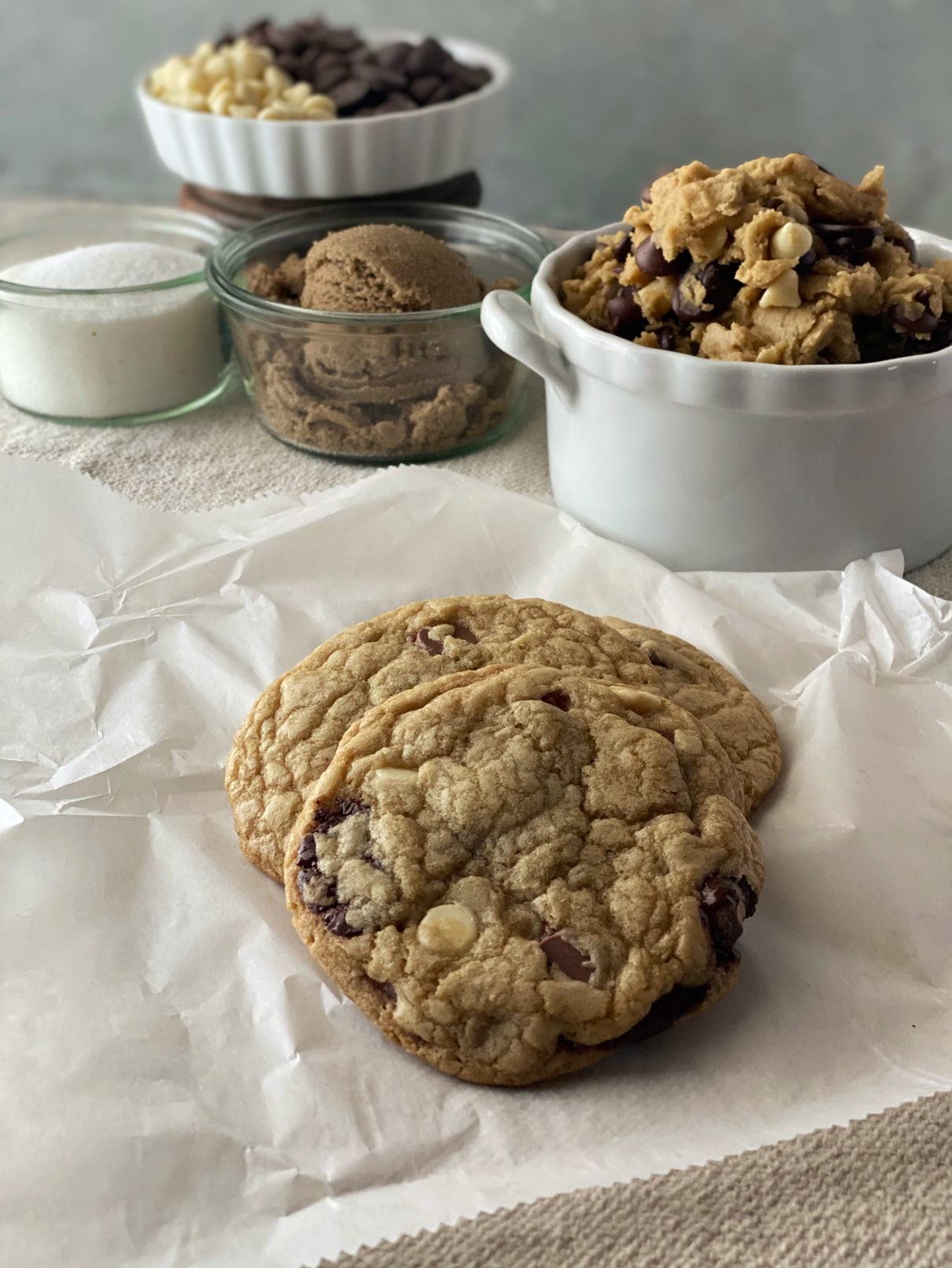
Can I use olive oil instead of butter in brownies?– 4 Golden Rules for Delicious Results
Why melted butter matters in cookies
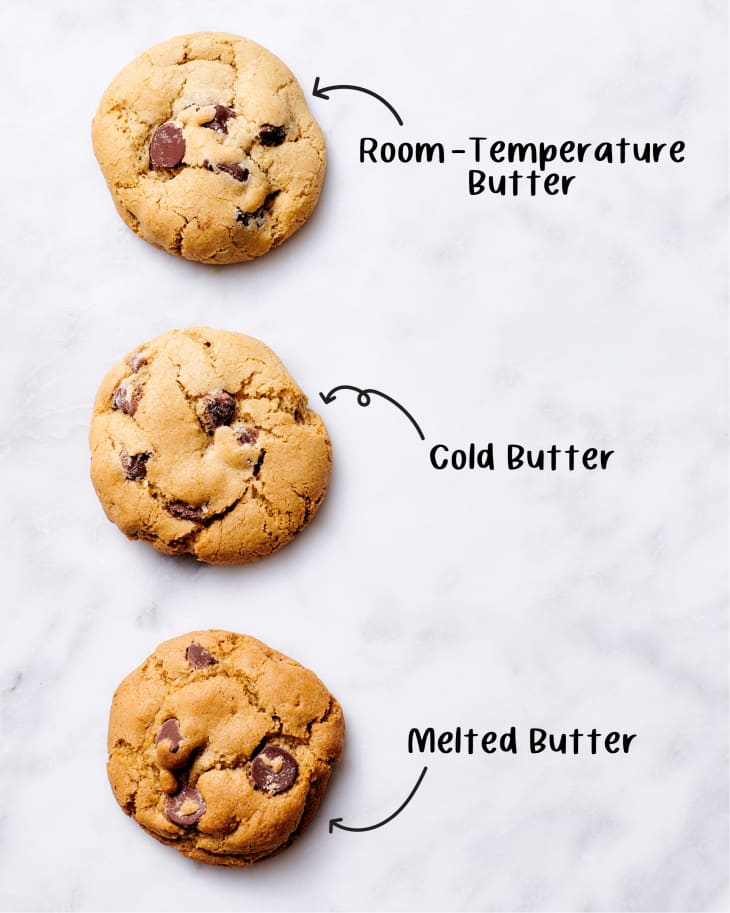
Melted butter changes how cookies spread, brown, and crunch. Butter is about 80% fat and 20% water and milk solids. That mix boosts flavor, helps browning, and affects chew.
When you melt butter, you skip aeration from creaming. So cookies spread more and bake denser. This is why any swap must match both fat and moisture. Keep that in mind as we decide what replaces melted butter in cookie recipes.
The best swaps and how to use them
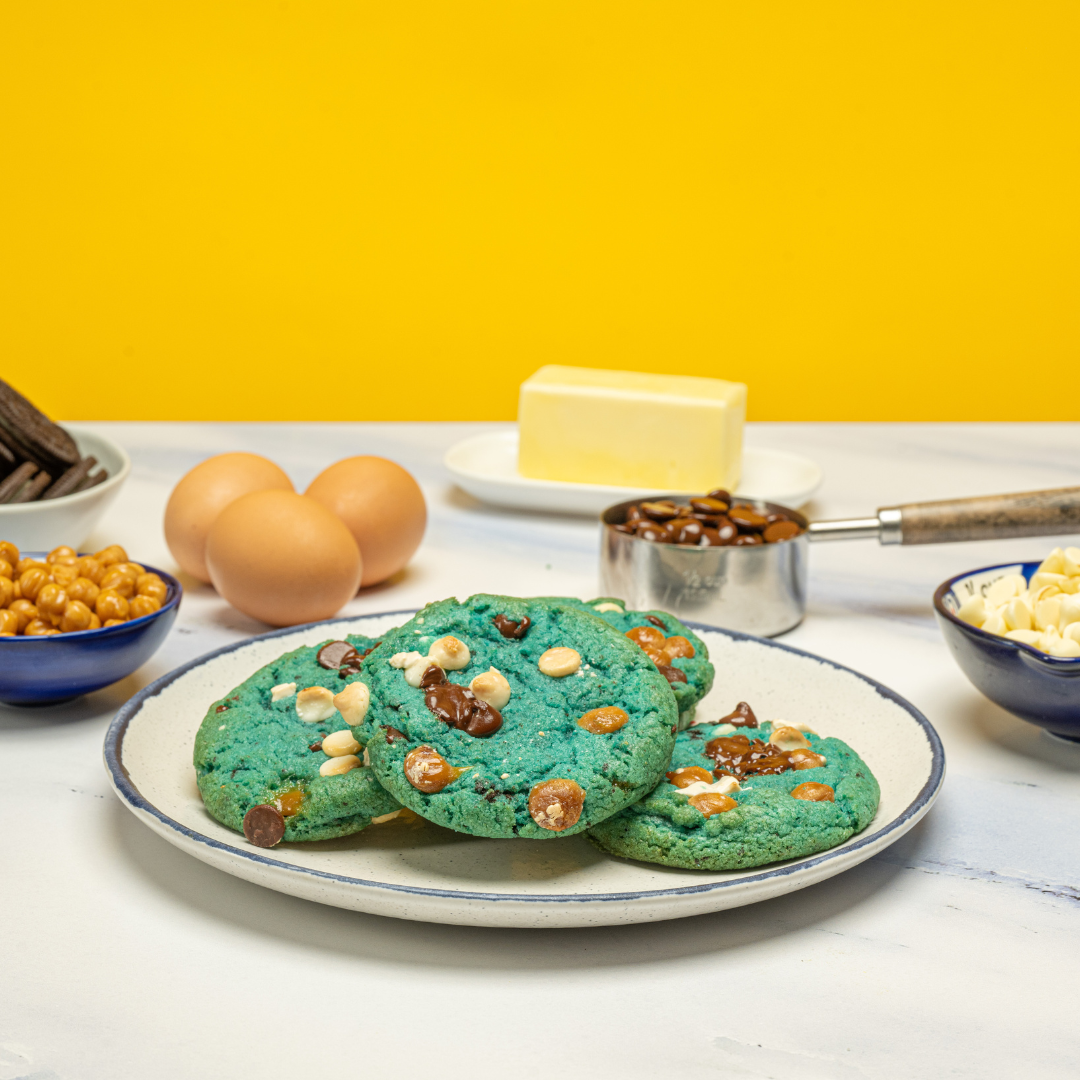
Below are the top options I reach for when a recipe calls for melted butter. I’ll note taste, texture, and simple formulas. This section answers what replaces melted butter in cookie recipes for dairy-free, vegan, budget, and pantry-only needs.
Neutral oils (canola, avocado, light olive, grapeseed)
Use oil when you want clean flavor and easy mixing. Oil is 100% fat, so use less than butter.
- Use 3/4 cup oil for every 1 cup melted butter.
- Add 1 to 2 tablespoons milk or water to replace lost moisture.
- Expect more spread and a crisp edge. Chill dough 30 minutes if needed.
Refined coconut oil
Refined coconut oil has little coconut taste. It behaves like oil but firms up when cool, which helps thickness.
- Use 3/4 cup coconut oil for 1 cup melted butter.
- If the dough feels greasy, add 1 tablespoon cornstarch.
- Expect gentle coconut notes if using unrefined oil.
Vegan butter or dairy-free margarine
Modern vegan butters are often 80% fat, like dairy butter. They are the closest flavor match.
- Use 1:1 by volume for melted butter.
- Choose stick-style, not tub, for better structure.
- Expect similar spread and browning, brand depending.
Ghee (clarified butter)
Ghee is pure butterfat, so it’s richer and lactose-free. It adds a toasty note.
- Use 3/4 to 7/8 cup ghee for 1 cup melted butter.
- Add 1 tablespoon milk or water if dough seems dry.
- Expect crisp edges and deep butter flavor.
Shortening
Shortening is 100% fat and makes very tender cookies. It lacks butter flavor, so add vanilla or a touch of salt.
- Use 1 cup shortening plus 2 tablespoons water for 1 cup melted butter.
- Expect less spread and very soft interiors.
- Great for neat, round cookies that hold shape.
Nut and seed butters (peanut, almond, tahini, sunflower)
These add fat and solids, so cookies get richer but denser. Flavor is bold and lovely.
- Replace up to 50% of melted butter 1:1 for the best texture.
- For a full swap, use 3/4 cup nut butter plus 2 tablespoons neutral oil and 1 tablespoon milk per 1 cup melted butter.
- Expect chewy, hearty cookies with nutty notes.
Applesauce, pumpkin puree, or Greek yogurt
These are low-fat moisture swaps. They work for soft, cakey cookies.
- Replace 25% to 50% of melted butter with applesauce or yogurt.
- For a full swap, use 1/2 cup oil and 1/2 cup applesauce per 1 cup butter.
- Expect taller cookies with mild sweetness and less spread.
Silken tofu or aquafaba (vegan helpers)
These add structure but not fat. Pair them with some oil to mimic melted butter.
- Blend 1/2 cup silken tofu until smooth. Mix with 1/2 cup oil for each 1 cup butter.
- Or use 3 tablespoons aquafaba per egg and still include oil as your fat.
- Expect tender, slightly cakey cookies with clean bite.
If you came here asking what replaces melted butter in cookie recipes, the short list is oil, coconut oil, vegan butter, shortening, and smart mixes with purees or nut butters. Use the formulas above and adjust chill time and liquid as needed.
How to Bake Zucchini Bread in a Roaster Oven (350°F)– Perfect Texture and Flavor
How each swap changes texture, spread, and flavor
Your choice affects three things: spread, crunch, and aroma. Here’s what I see in side-by-side tests.
- Neutral oil: More spread, crisp edges, mild flavor. Add 1 tablespoon liquid to balance.
- Coconut oil: Moderate spread, a bit thicker set. Subtle coconut if unrefined.
- Vegan butter: Closest to butter for spread and browning. Flavor varies by brand.
- Ghee: Big butter aroma, crisp edges, slightly drier crumb without added liquid.
- Shortening: Minimal spread, very tender bite. Needs extra vanilla or a butter-emulsion flavor.
- Nut butters: Chewier and denser. Bold nut flavor, less sugar needed.
- Applesauce or yogurt: Soft, cake-like cookies. Lighter taste, great for add-ins.
These traits explain what replaces melted butter in cookie recipes when you need crisp vs. chewy cookies. Pick the fat that matches your goal.
Conversion chart and quick formulas
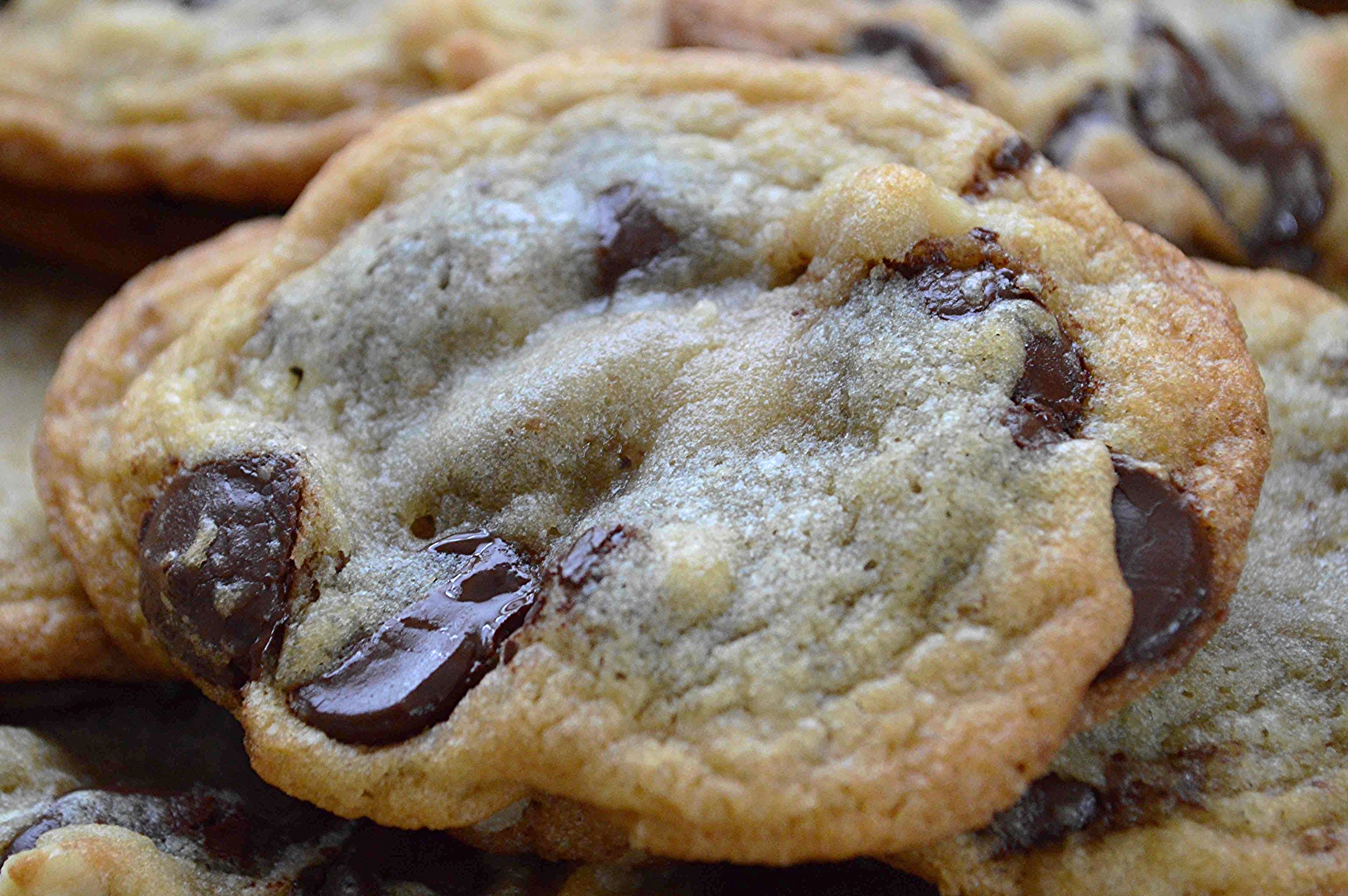
Use these simple rules to keep ratios tight. This is the heart of what replaces melted butter in cookie recipes without trial and error.
- 1 cup melted butter = 227 g total
- Oil or coconut oil: 3/4 cup (about 180–190 g) plus 1–2 tablespoons liquid
- Vegan butter: 1 cup (same as butter)
- Ghee: 3/4 to 7/8 cup (170–200 g) plus 1 tablespoon liquid if dry
- Shortening: 1 cup plus 2 tablespoons water
- Nut butter full swap: 3/4 cup nut butter plus 2 tablespoons oil plus 1 tablespoon milk
- Applesauce full swap: 1/2 cup oil plus 1/2 cup applesauce
Pro tip: Weigh if you can. Matching fat grams is the cleanest way to nail what replaces melted butter in cookie recipes.
Pro tips from my test kitchen
I’ve baked over 200 test batches to dial this in. Here are the moves that make non-butter cookies shine.
- Whisk sugar and oil for 45–60 seconds until glossy. This helps structure.
- Chill oil-based dough 20–45 minutes. It slows spread and boosts thickness.
- Add 1 teaspoon cornstarch per cup of flour for tenderness with oil swaps.
- Lower oven temp by 15°F when using oil. It keeps centers soft and edges even.
- For extra chew, add one extra egg yolk per batch.
- If using applesauce or yogurt, cut sugar by 2 tablespoons. They add sweetness.
- Bake one test cookie first. Adjust dough with 1–2 teaspoons flour or liquid.
When friends ask what replaces melted butter in cookie recipes, I also tell them to watch the edges. Color moves fast with sugar and fat changes.
Healthy and dietary swaps that still taste great
Different diets need different fats. You can still get great cookies.
- Dairy-free and vegan: Use vegan butter 1:1, or 3/4 cup neutral oil plus 1–2 tablespoons plant milk.
- Lower saturated fat: Use canola or high-oleic sunflower oil. Add 1 teaspoon vanilla for rounded flavor.
- Nut-free: Use refined coconut oil or vegan butter. Skip nut butters and tahini.
- Lactose-free: Ghee works well. Use 3/4 to 7/8 cup and add a splash of liquid.
With these choices, you can answer what replaces melted butter in cookie recipes for almost any plan and still enjoy real cookie joy.
Frequently Asked Questions of What replaces melted butter in cookie recipes?
Can I use olive oil instead of melted butter in cookies?
Yes, use light or extra light olive oil for a neutral taste. Swap 3/4 cup oil for 1 cup melted butter and add 1 tablespoon milk or water.
Will cookies taste the same with vegan butter?
Close, especially with stick-style vegan butter at 80% fat. Some brands brown less, so bake 1 to 2 minutes longer for color.
How do I stop oil-based cookies from spreading too much?
Chill the dough 30 minutes and bake on a cool, lined sheet. You can also add 1 teaspoon cornstarch per cup of flour.
Is coconut oil a good swap for melted butter?
Yes, it’s great and sets firm when cool. Use 3/4 cup coconut oil per 1 cup butter, and refine your chill time to control spread.
Can I replace all the butter with applesauce?
You can, but cookies will be cakey and less crisp. Use 1/2 cup oil plus 1/2 cup applesauce per 1 cup butter for better texture.
What’s the best swap for classic chocolate chip cookies?
Vegan butter is the closest 1:1 match for taste and spread. Neutral oil works too; just chill the dough for 30 minutes.
Do I need to change sugar when I swap fats?
Sometimes. With applesauce or yogurt, reduce sugar by about 2 tablespoons per cup to avoid extra sweetness.
Conclusion
You have many good answers to what replaces melted butter in cookie recipes. For a close match, pick vegan butter. For budget and pantry speed, use neutral oil at 3/4 the amount and add a splash of liquid. For bold flavor, try ghee or nut butter blends.
Test one cookie, tweak, and then bake the full tray with confidence. Ready to level up your next batch? Try a swap today, share your results, and subscribe for more tested, foolproof baking tips.