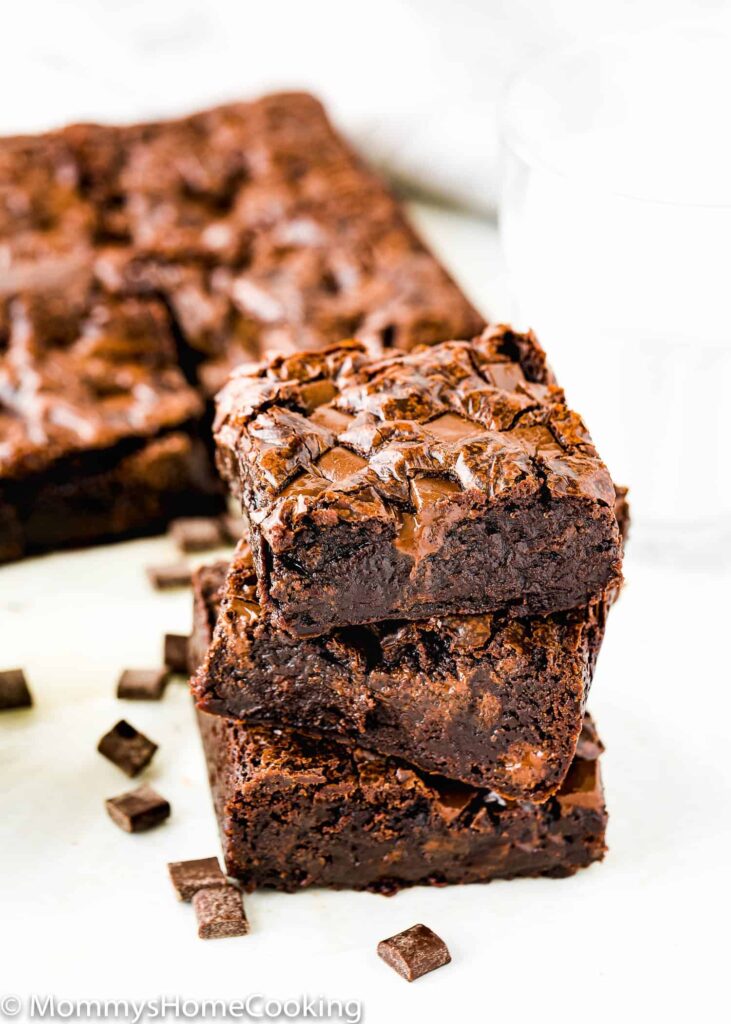
The best milk substitute for pancakes depends on taste and dietary needs, but unsweetened almond milk and oat milk are popular because they have mild flavor and similar consistency to dairy milk. Other good options include soy milk for higher protein and coconut milk for a richer texture, though it can slightly alter flavor. Using these substitutes in the same ratio as regular milk generally produces fluffy pancakes with great texture. Adjust sweetness and thickness as needed for your perfect batter.
The “Texture Secret” Product
Pro Tip: Even the best milk substitute for pancakes can sometimes result in a flatter cake because plant milks have different fat contents. To get that “boxed mix” fluffiness every time, I recommend using a Whiskware Batter Mixer. It aerates the batter better than a standard bowl and whisk, ensuring your dairy-free pancakes stay light and airy.
2. The “Flavor Booster” Product
“Since plant milks lack the natural sweetness of lactose, adding a high-quality vanilla is key. I swear by Nielsen-Massey Vanilla Bean Paste. Unlike thin extracts, this paste adds those gourmet little specks and a deep flavor that makes you forget you’re using an alternative milk.”
Oat milk with a splash of acid makes the best everyday pancakes.
I’ve tested pancake batters with oat, soy, almond, coconut, and even water. If you want a clear, confident guide on the best milk substitute for pancakes, you’re in the right place. I’ll show you what actually works, why it works, and how to tweak any batter for tall, tender, golden pancakes at home. Expect real kitchen tips, science made simple, and honest results you can trust.

What Is the Best Butter Substitute for Cookies That Keeps Them Soft?
The short answer and why it works
When you swap dairy, aim to keep three things in balance: moisture, fat, and acidity. Moisture hydrates flour. Fat adds tenderness. Acidity lifts the batter when it meets baking soda or double-acting baking powder.
From repeated tests, here’s the quick map:
- Best all-around milk substitute for pancakes: oat milk, 1:1.
- Best rise and browning: soy milk, 1:1.
- Best light, nutty pancakes: almond milk, 1:1, with extra fat.
- Best rich, dessert-style pancakes: light canned coconut milk, 3:1 coconut milk to water.
- Best fluffy mimic of buttermilk: any plant milk + 1 teaspoon lemon juice or apple cider vinegar per cup.
These picks work because plant milks vary in protein, sugar, and fat. Protein and sugars boost browning through the Maillard reaction. Acidity boosts lift. The right milk substitute for pancakes balances all three, so you get height, tenderness, and flavor without dairy.
Best milk substitute for pancakes: tested ranking
After many weekend batches and side-by-side tastings, here’s my ranking and who each is for.
- Oat milk (1:1)
- Why it wins: Balanced body, mild flavor, steady browning.
- What to expect: Soft crumb, gentle sweetness, reliable spread on the pan.
- Pro tip: Add 1 teaspoon lemon juice per cup for extra lift on thick, diner-style stacks.
- Soy milk (1:1)
- Why it’s great: Higher protein helps browning and structure. Fluffy with a golden edge.
- What to expect: Classic pancake look and a clean, neutral taste.
- Pro tip: If using vanilla soy, reduce added sugar slightly to prevent over-browning.
- Almond milk (1:1 with adjustments)
- Why it works: Light texture and pleasant nuttiness.
- What to expect: Thinner batter and lighter body unless you add fat.
- Pro tip: Stir in 1 tablespoon neutral oil or melted butter per cup to boost tenderness.
- Coconut milk, light or diluted (3:1 coconut milk to water)
- Why it shines: Creamy mouthfeel and crisp edges.
- What to expect: Rich, almost dessert-like pancakes. Stronger flavor.
- Pro tip: For canned coconut milk, dilute to match regular milk thickness. Add acid for rise.
- Water + oil + acid (last resort, still tasty)
- Why it can work: Simple, cheap, and better than you’d think.
- What to expect: Less flavor, but good lift if you add acid.
- Pro tip: Use 1 cup water + 1 tablespoon oil + 1 teaspoon lemon juice per cup of liquid.
Personal note: On busy brunch services, soy milk gave me the most consistent browning across a big griddle. At home, I reach for oat milk because it plays nice with fruity toppings and chocolate chips. If you love diner-style tang, the best milk substitute for pancakes is oat or soy milk plus acid. That duo gets you close to classic buttermilk vibes.
What Can I Substitute for Eggs in Brownies Without Changing Texture?-Best Tested Solution
How to adjust any batter when using a milk substitute for pancakes
A few small tweaks make a big difference. Use these simple rules.
- For rise and fluff
- Add 1 teaspoon lemon juice or apple cider vinegar per cup of plant milk. This adds acidity so your leavening works harder.
- For tenderness
- Add 1 tablespoon oil or melted butter per cup of liquid if your milk substitute is very lean (almond, cashew, rice).
- For browning
- Choose higher-protein milks (soy) or slightly sweeter options (oat). Watch heat to avoid scorching.
- For thickness
- If the batter spreads too fast, whisk in 1 to 2 teaspoons flour at a time.
- If it’s too thick, add 1 tablespoon liquid at a time.
- For flavor
- Almond and coconut milk love warm spices. Try cinnamon or vanilla.
- Oat and soy go well with blueberries, bananas, and chocolate.
- Timing cue
- Cook on medium heat. Flip when bubbles form and the edges look set. Dark spots mean your pan is too hot.

Pancake science made simple: what matters in a milk substitute for pancakes
- Protein: Supports structure and browning. Soy milk tends to win here.
- Natural sugars: Help color and flavor. Oat milk often browns faster than almond.
- Fat: Adds softness and a creamy bite. Coconut milk is richest.
- Acidity: Reacts with baking soda or boosts double-acting baking powder for lift.
Food science shows that proteins and sugars drive browning and aroma, while acid helps gas release for a taller pancake. That’s why the best milk substitute for pancakes is the one that balances protein, sugar, fat, and acidity with your recipe.
Nutrition and allergens: choosing wisely
- Nut-free homes: Pick oat or soy milk. Always check cross-contamination labels.
- Soy-free: Use oat, coconut, or pea-protein milk.
- Lower sugar: Choose unsweetened versions and sweeten batter to taste.
- Higher protein: Soy or pea-protein milk helps structure without eggs.
- Kids and picky eaters: Oat milk gives mild flavor and a soft crumb they enjoy.
If you track calories or macros, the best milk substitute for pancakes is the one that fits your plan. Unsweetened soy or oat keeps sugars in check while delivering great texture.

Troubleshooting with a milk substitute for pancakes
- Pancakes are flat
- Add 1 teaspoon acid per cup of milk substitute. Check that your baking powder is fresh.
- Pale and soft
- Use soy or oat milk for better browning. Keep heat at medium and be patient.
- Dry or crumbly
- Stir in 1 tablespoon oil per cup of liquid. Do not overmix the batter.
- Too dense
- Loosen with a splash of milk substitute. Rest the batter 5 to 10 minutes to hydrate flour.
- Tastes too sweet or scorchy
- Switch to unsweetened milk substitute. Lower the heat a notch.
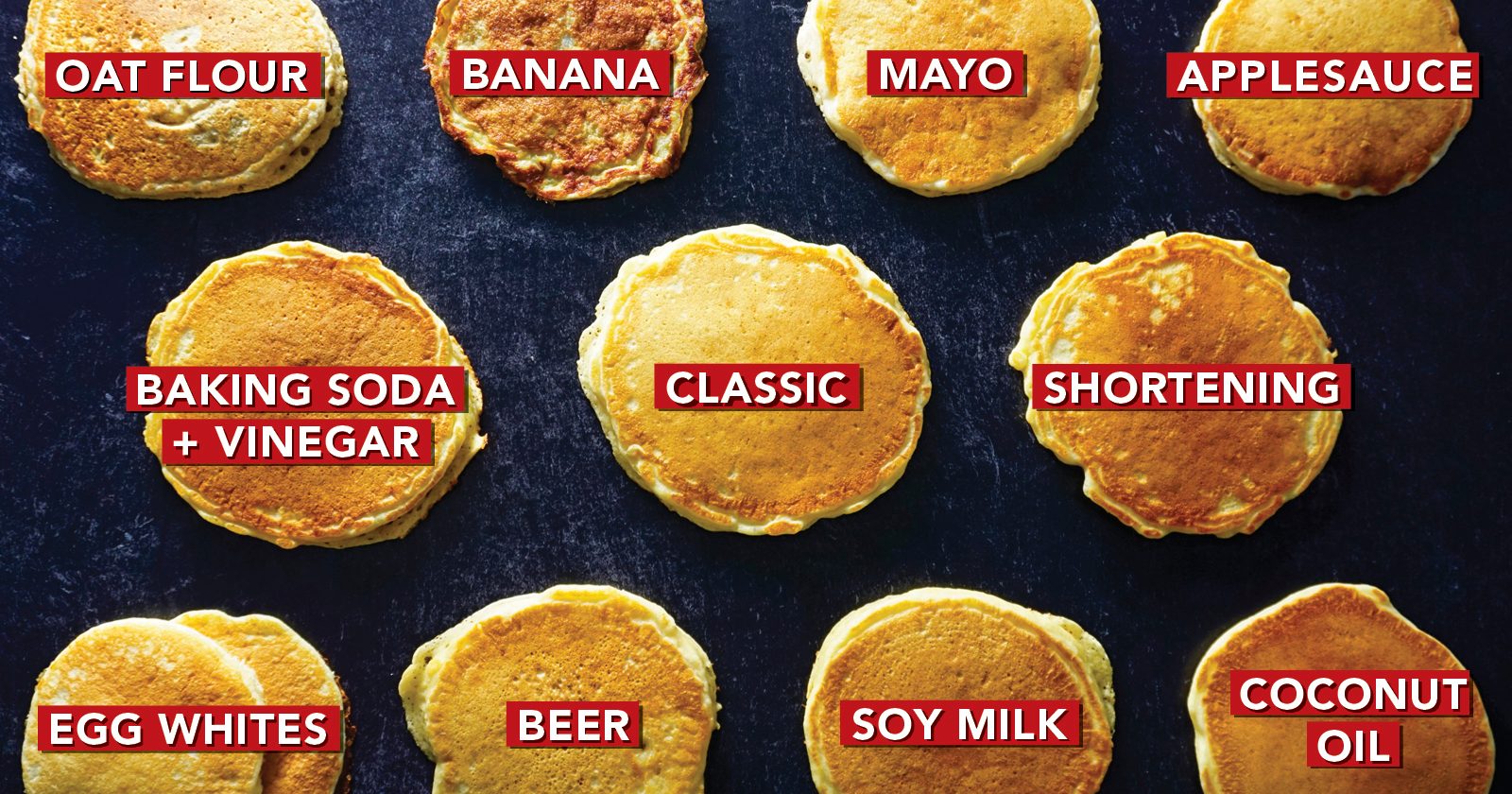
A simple base recipe that works with any milk substitute for pancakes
This flexible recipe makes about 8 medium pancakes.
Ingredients
- 1 cup all-purpose flour
- 2 tablespoons sugar
- 2 teaspoons baking powder
- 1/4 teaspoon fine salt
- 1 cup milk substitute for pancakes (oat, soy, almond, or diluted coconut)
- 1 large egg, optional for extra lift
- 1 tablespoon neutral oil or melted butter
- 1 teaspoon lemon juice or apple cider vinegar if using plant milk
Steps
- Whisk dry ingredients in a bowl.
- In another bowl, mix the milk substitute, egg if using, oil, and acid.
- Combine wet into dry. Stir until just combined. A few lumps are fine.
- Rest 5 minutes. Cook on a lightly oiled skillet over medium heat.
- Flip when bubbles set around the edges. Serve warm.
Quick variations
- Oat milk: Add blueberries and lemon zest.
- Soy milk: Stir in mini chocolate chips and a pinch of cinnamon.
- Almond milk: Add sliced almonds and vanilla; use an extra teaspoon of oil.
- Coconut milk: Add shredded coconut and a dash of lime zest.
Frequently Asked Questions of What milk substitute works best for pancakes?
Is oat milk or almond milk better for pancakes?
Oat milk gives better body and browning than almond milk. Almond milk works well if you add a little extra oil for tenderness.
Can I make pancakes with water instead of milk?
Yes. Use 1 cup water plus 1 tablespoon oil and 1 teaspoon lemon juice per cup. The result is lighter in flavor but still fluffy.
Do I need eggs if I use a milk substitute?
Not always. For extra lift without eggs, increase baking powder slightly and add acid to your plant milk.
Why do my dairy-free pancakes brown too fast?
Sweetened plant milks can brown faster due to added sugars. Use unsweetened milk and lower the heat a notch.
What’s the best milk substitute for protein-rich pancakes?
Soy or pea-protein milk. Both improve structure and browning, especially in egg-free batters.
How do I mimic buttermilk with plant milk?
Add 1 teaspoon lemon juice or apple cider vinegar per cup of plant milk. Rest 2 to 3 minutes before mixing into the batter.
Which milk substitute is best for fluffy vegan pancakes?
Soy milk often yields the fluffiest vegan pancakes. Oat milk is a close second with a softer crumb.
Conclusion
If you want a safe, tasty swap, oat milk is the best milk substitute for pancakes. For extra lift and color, soy milk shines. When you add a teaspoon of acid to either, you get tall, tender, golden pancakes that win brunch every time.
Pick your milk substitute for pancakes based on flavor, nutrition, and what you have. Then follow the simple tweaks in this guide. Try a batch this week, share your results, and subscribe for more tested, practical cooking tips.