A roaster oven offers the best balance between capacity, energy efficiency, and moisture retention, outperforming slow cookers for speed and air fryers for large meals, while consuming significantly less energy than conventional ovens.
Research published in MDPI (2025) confirms that the dry-heat application in roaster ovens enhances the bioavailability of nutrients and improved digestibility through controlled thermal processing.
Keep reading to discover how a roaster oven can change the way you cook and make your kitchen work easier than ever before.
What Is a Roaster Oven and What Is It Used For?
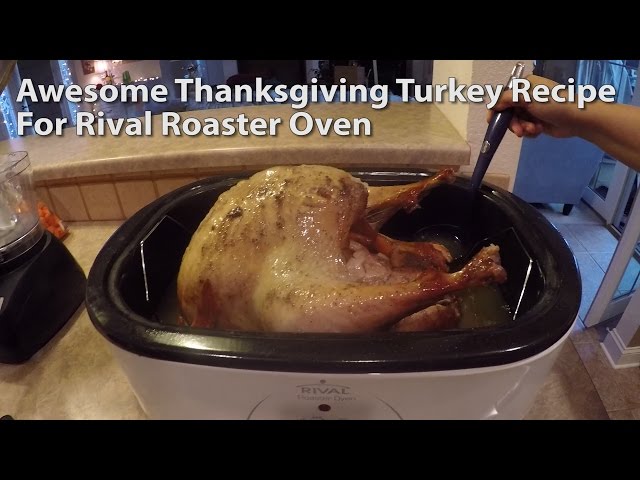
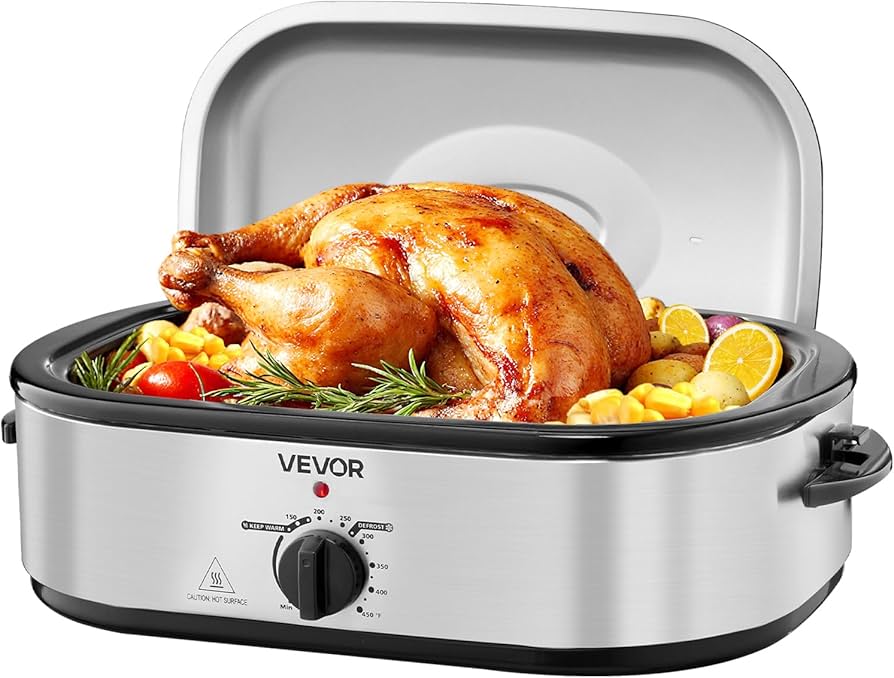
A roaster oven is a countertop appliance used to roast, bake, and slow cook large meals evenly without using a full-size oven. It looks like a big, portable oven that can sit on your countertop. Many people use it to cook whole chickens, turkeys, or big cuts of meat without heating their main oven. Roaster ovens are great for parties, holidays, or everyday meals because they save space and energy. Check out the 22-quart electric roaster oven that pro hosts use to serve a crowd without the holiday stress or “oven tetris” headache.
How Does a Roaster Oven Work?
A roaster oven uses electric heat that circulates around food, cooking it evenly while the lid traps moisture for tender results.
Here is how the process works step-by-step:
- Plug in the roaster oven and set the temperature.
- The heating element warms the cooking pan and the air inside.
- Heat circulates around the food, cooking it evenly.
- The lid traps heat and moisture for better cooking results.
Key features of a roaster oven include:
- Portable size: Easy to move and store.
- Even heat distribution: Cooks food uniformly.
- Temperature control: Adjustable heat settings.
- Large capacity: Fits big meals.
- Energy efficient: Uses less energy than a full oven.
| Component | Function |
|---|---|
| Heating Element | Generates heat to cook food |
| Cooking Pan | Holds the food and distributes heat |
| Lid | Traps heat and moisture inside |
| Temperature Control | Lets you adjust cooking temperature |
“For holiday cooking, the roaster oven is the ultimate ‘energy-saver’—it uses approximately 36% less energy than a traditional full-sized electric oven and won’t heat up your entire kitchen during long roasting sessions.”
What Are the Main Types of Roaster Ovens?
Roaster ovens come in electric, manual, and portable types, each designed for different cooking needs, space limits, and power access.
Electric Roaster Ovens
Electric roaster ovens are popular for their convenience and consistent heat. They plug into a standard outlet and provide even cooking temperatures. These ovens are perfect for roasting meats, baking casseroles, and slow cooking. They often come with adjustable temperature controls and removable lids.
Key features of electric roaster ovens include:
- Temperature range from 200°F to 450°F
- Large cooking capacity, often 16 to 22 quarts
- Removable roasting pan for easy cleaning
- Keep warm function to maintain food temperature
Electric roaster oven saves oven space and help cook large meals at once. They are ideal for family dinners, parties, and holiday meals. Their consistent heat reduces the risk of uneven cooking or burning.
How to Cook Turkey Neck in a Roaster Oven?
| Feature | Benefit |
|---|---|
| Adjustable Temperature | Allows precise cooking control |
| Large Capacity | Cook big meals easily |
| Keep Warm Setting | Keeps food ready to serve |
Manual Roaster Ovens
Manual roaster ovens are traditional roasters that require no electricity. They usually consist of a large roasting pan with a lid and are used in conventional ovens. These roasters are simple and durable, perfect for those who prefer classic cooking methods.
Advantages of manual roaster ovens:
- Works with any standard kitchen oven
- No need for power source
- Easy to clean and store
- Can be used for roasting, baking, and braising
Manual roasters are ideal for people who want a reliable, no-fuss cooking tool. They can handle heavy roasts and large dishes. The lid traps heat and moisture, helping food cook evenly and stay juicy.
| Aspect | Description |
|---|---|
| Material | Often made of metal or enamel-coated steel |
| Usage | Placed inside a conventional oven |
| Cleaning | Usually dishwasher safe or hand wash |
Portable Roaster Ovens
Portable roaster ovens are compact and lightweight, designed for easy transport and outdoor use. These roasters are great for picnics, camping trips, or small kitchens with limited space. Many models are electric and can run on car adapters or portable power sources.
Features of portable roaster ovens include:
- Compact size for easy storage
- Lightweight design for carrying
- Quick heating and cooking
- Versatile for roasting, baking, and warming
These ovens are perfect for cooks who need flexibility and mobility. They allow cooking in places without a full kitchen. Despite their size, many portable roasters still offer enough space for small roasts or side dishes.
| Feature | Benefit |
|---|---|
| Compact Size | Easily fits in small kitchens or cars |
| Lightweight | Easy to carry for outdoor use |
| Electric or Battery | Works without traditional oven |
What Features Should You Look for in a Roaster Oven?
Key roaster oven features include capacity, temperature control, durable materials, and extra functions like slow cooking or keep warm.
Capacity And Size
Capacity and size are important when selecting a roaster oven. The capacity tells you how much food the oven can hold. It is usually measured in quarts or liters. A larger capacity means you can cook big meals, like a whole turkey or large roasts. A smaller oven suits small families or limited kitchen space.
Consider these points about capacity and size:
- Family size: Larger families need ovens with 18-22 quarts capacity.
- Kitchen space: Measure your countertop to avoid buying an oven that is too big.
- Storage: Check if the oven fits easily in your kitchen cabinets or shelves.
| Capacity (Quarts) | Best For | Typical Food Items |
|---|---|---|
| 6-10 | Individuals or couples | Small roasts, casseroles |
| 12-16 | Small families | Chicken, medium roasts |
| 18-22 | Large families or gatherings | Whole turkey, large roasts |
Choose a size that matches your cooking habits and kitchen space. Oversized ovens waste energy; too small ovens limit meal size.
Temperature Control
Temperature control is a key feature for even cooking. Precise control lets you set the oven to the right heat for different foods. Some ovens offer simple dials, while others have digital controls with presets. Good temperature control prevents undercooked or burnt meals.
Look for these temperature control features:
- Wide temperature range: From about 150°F to 450°F for versatile cooking.
- Adjustable thermostat: Allows fine-tuning to meet recipe needs.
- Digital controls: Provide easy settings and temperature readouts.
- Auto shut-off: Adds safety by turning off the oven if overheating occurs.
Examples of temperature settings for common foods:
Roast chicken: 325°F - 350°F
Casseroles: 350°F - 375°F
Slow cooking: 200°F - 250°F
In the 2024-2025 “Year in Review,” the foodservice industry noted a major shift toward multi-functional roaster units that combine steaming and roasting. These “smart” roaster ovens now feature IoT-enabled sensors for real-time performance tracking and automated temperature adjustments to minimize human error and energy waste.
Material And Build
The material and build quality affect the oven’s durability and cooking performance. Most roaster ovens use metal, ceramic, or a mix of both. Metal ovens heat quickly and hold heat well. Ceramic ovens cook evenly and are easier to clean but can be fragile.
Important material and build factors include:
- Outer shell: Stainless steel or enamel-coated metal resists rust and stains.
- Cooking pot: Nonstick surfaces reduce food sticking and ease cleaning.
- Lid type: Glass lids let you watch food without opening the oven.
- Handles and knobs: Heat-resistant and sturdy for safe handling.
Table comparing common materials:
| Material | Pros | Cons |
|---|---|---|
| Stainless Steel | Durable, rust-resistant, heats evenly | Can be heavy, expensive |
| Enamel-coated Metal | Easy to clean, colorful designs | Chips can expose metal, less durable |
| Ceramic | Even cooking, attractive, easy cleaning | Fragile, heavy, slower heating |
Choose materials based on durability needs and cleaning preferences. Solid build ensures safety and long oven life.
Additional Functions
Extra functions increase a roaster oven’s usefulness. Some models offer features beyond basic roasting. These help with cooking variety and convenience.
Common additional functions include:
- Slow cooking: Cooks food slowly at low temperatures for tender results.
- Baking: Suitable for bread, cakes, and desserts.
- Keep warm: Maintains food temperature without overcooking.
- Timer: Automatically turns oven off after set time.
- Removable parts: For easy cleaning and safe handling.
These added functions make the oven a multi-purpose tool. They save time by reducing the need for multiple appliances.
Table showing features by roaster oven type:
| Function | Basic Models | Advanced Models |
|---|---|---|
| Slow Cooking | No | Yes |
| Keep Warm | Limited | Yes |
| Timer | Manual | Digital |
| Removable Parts | Some | Most |
Extra functions improve cooking flexibility and ease. Pick features that fit your meal routines and budget.
What Are the Benefits of Using a Roaster Oven?
A roaster oven saves energy, cooks food evenly, handles large meals, and frees up your main oven for other dishes.
Roaster ovens offer many benefits for home cooks and busy families. They provide a convenient and efficient way to prepare meals without using a large oven. These appliances save time and energy, making them a smart choice for everyday cooking. Using a roaster oven also allows for better control over cooking, resulting in delicious and evenly cooked dishes. Here are some key benefits of using a roaster oven.
Energy Efficiency
Roaster ovens use less energy than traditional ovens. They are smaller in size and heat up faster, which reduces cooking time. This means they consume less electricity or gas. Many people find roaster ovens ideal for cooking small to medium-sized meals without wasting energy.
Reasons roaster ovens are energy efficient:
- Compact size uses less power to heat.
- Faster cooking times save energy.
- Better insulation retains heat well.
- Uses only one heating element, reducing electricity use.
Here is a simple comparison of energy use between a roaster oven and a conventional oven:
| Appliance | Average Cooking Time | Energy Consumption (kWh) |
|---|---|---|
| Conventional Oven | 60 minutes | 2.0 |
| Roaster Oven | 45 minutes | 1.2 |
Using a roaster oven helps reduce electricity bills and lowers your carbon footprint.
Even Cooking
Roaster ovens provide more even cooking compared to some other appliances. Their compact shape and design help heat spread uniformly around the food. This means fewer hot spots and less chance of burning or undercooking.
How even cooking is achieved:
- Heating element surrounds the cooking pan.
- Good insulation keeps temperature steady.
- Lid traps steam, promoting moist and consistent cooking.
This even heat distribution makes roaster ovens perfect for roasting meats, baking casseroles, or slow-cooking stews. The food cooks thoroughly and stays juicy and tender.
Many users notice better texture and flavor in meals cooked with a roaster oven. It also reduces the need to check or turn food frequently.
Versatility In Recipes
Roaster ovens work for many types of dishes. They can roast, bake, steam, and even slow cook. This flexibility means you can prepare a wide range of meals using just one appliance.
Popular recipe ideas for roaster ovens:
- Whole chickens and turkeys
- Vegetable casseroles
- Stews and soups
- Fresh bread and baked desserts
- Seafood dishes
Roaster ovens are also helpful during holidays or large gatherings. They free up space in the main oven and allow cooking multiple dishes at once.
Changing the temperature settings and using different cooking accessories increases the range of recipes you can try. This versatility makes the roaster oven a valuable tool in any kitchen.
Popular Recipes For Roaster Ovens
Roaster ovens are versatile kitchen tools that help prepare a wide range of delicious dishes. Their large size and even heat distribution make them perfect for cooking meals for families or gatherings. Many popular recipes suit roaster ovens, from juicy meats to comforting casseroles. These recipes use the roaster oven’s ability to cook food evenly and keep it moist. Below are some popular recipe types that shine in a roaster oven.
Roasts And Meats
Roaster ovens excel at cooking large cuts of meat. They deliver even heat, making roasts tender and juicy. Popular choices include beef, pork, turkey, and chicken. Roasting in a roaster oven reduces the risk of drying out the meat. It also frees up your stovetop and oven for other dishes.
Here are some favorites to try:
- Prime rib roast: Slow-roasted to keep it tender and full of flavor.
- Whole roasted chicken: Crispy skin and juicy meat every time.
- Pork loin roast: Seasoned with herbs and cooked until perfectly tender.
- Turkey breast: Great for smaller holiday meals or leftovers.
Use a meat thermometer to check doneness. Roaster ovens often have a lid to keep heat and moisture inside. This helps meat stay moist throughout cooking. A simple table shows ideal internal temperatures for common roasts:
| Meat Type | Internal Temperature (°F) | Cooking Tip |
|---|---|---|
| Beef (medium rare) | 135 | Rest for 10 minutes before carving |
| Chicken | 165 | Check near the thigh for accuracy |
| Pork | 145 | Let rest to keep juices locked in |
| Turkey | 165 | Use a probe thermometer for best results |
Casseroles And Bakes
Roaster ovens are perfect for casseroles and baked dishes. Their size fits large casserole dishes easily. They cook food evenly, preventing burnt edges or undercooked centers. This makes them ideal for layered casseroles, lasagna, and baked pasta.
Popular casserole recipes for roaster ovens include:
- Classic lasagna: Layers of pasta, cheese, and sauce cooked evenly.
- Chicken and rice casserole: Comfort food that stays moist and tender.
- Vegetable gratin: Baked vegetables with a crispy cheese topping.
- Macaroni and cheese: Creamy and golden brown on top.
Tips for baking casseroles in a roaster oven:
- Preheat the roaster oven for even cooking.
- Cover dishes with foil to keep moisture inside.
- Remove foil near the end to brown the top.
- Check dish temperature with a food thermometer.
Use these steps for consistent results and delicious meals.
Slow-cooked Dishes
Roaster ovens can also function as slow cookers. Their steady, low heat makes them great for slow-cooked dishes. These recipes develop deep flavors and tender textures over hours of cooking.
Try these slow-cooked favorites in your roaster oven:
- Beef stew: Meat and vegetables simmered until tender.
- Pulled pork: Cooked slowly until it falls apart easily.
- Chili: A hearty mix of beans, meat, and spices.
- Pot roast: Slow-cooked with vegetables for rich flavor.
Slow cooking in a roaster oven requires less attention than stove-top methods. Set the temperature low, cover with the lid, and let it cook for several hours. The sealed environment traps moisture, making meats soft and juicy. A simple slow-cooking guide for roaster ovens:
| Dish | Temperature (°F) | Cooking Time |
|---|---|---|
| Beef stew | 200-225 | 6-8 hours |
| Pulled pork | 225-250 | 8-10 hours |
| Chili | 200-225 | 5-7 hours |
| Pot roast | 225-250 | 7-9 hours |
Roaster Oven Vs. Oven Vs. Slow Cooker Vs. Air Fryer
The kitchen has many appliances for cooking meals. Each tool works differently and suits various needs. The Roaster Oven, Oven, Slow Cooker, and Air Fryer are popular choices. Understanding their differences helps pick the best one for your cooking style and recipes.
Roaster Oven
A Roaster Oven is an electric appliance mainly for roasting meats and baking. It is portable and heats up quickly. It cooks food evenly by surrounding it with heat.
- Good for: Large meals like turkeys and roasts.
- Cooking time: Faster than slow cookers but slower than air fryers.
- Capacity: Usually large, can hold big cuts of meat.
- Temperature control: Precise and adjustable.
Oven
The Oven is a traditional kitchen appliance used for baking, roasting, and broiling. It uses gas or electricity to heat a large space.
- Good for: Baking bread, roasting vegetables, and cooking casseroles.
- Cooking time: Moderate to fast depending on the dish.
- Capacity: Large, can cook many dishes at once.
- Temperature control: Accurate with a wide range.
Slow Cooker
The Slow Cooker cooks food at low heat over a long time. It uses a ceramic pot inside a heating element.
- Good for: Stews, soups, and tenderizing tough meats.
- Cooking time: Long, usually several hours.
- Capacity: Medium to large, depends on model.
- Temperature control: Simple, often low, medium, and high settings.
Air Fryer
The Air Fryer cooks by circulating hot air around the food. It creates a crispy texture with less oil.
- Good for: Frying, baking small batches, and reheating.
- Cooking time: Fast, usually quicker than ovens.
- Capacity: Small to medium, best for smaller meals.
- Temperature control: Adjustable, precise heat.
| Appliance | Best Use | Cooking Time | Capacity | Temperature Control |
|---|---|---|---|---|
| Roaster Oven | Roasting large meats | Moderate | Large | Precise |
| Oven | Baking, roasting, broiling | Moderate to fast | Large | Wide range |
| Slow Cooker | Stews, soups, tender meats | Long | Medium to large | Simple |
| Air Fryer | Frying, small baking | Fast | Small to medium | Precise |
What To Look For When Buying
Choosing the right roaster oven can make cooking easier and more enjoyable. A good roaster oven saves time and cooks food evenly. It works well for big meals, like holidays or family dinners. Knowing what to check helps find the best model for your kitchen and needs.
Capacity And Size
Think about how much food you want to cook. Roaster ovens come in different sizes, from small to large. A bigger oven fits more food but takes up more space. “Most households choose 18–22 quarts based on purchase data and customer reviews.”
- Small (4-6 quarts): Good for small families or side dishes.
- Medium (6-16 quarts): Best for most families and big meals.
- Large (16+ quarts): Ideal for large gatherings or big roasts.
Measure your kitchen space before buying. Make sure the oven fits easily on your counter.
Temperature Control
Precise temperature control helps cook food perfectly. Look for ovens with clear, easy-to-use dials or digital controls. Some models offer adjustable heat settings for different cooking needs.
- Low, medium, and high heat options
- Keep-warm feature to hold food at serving temperature
- Even heat distribution for consistent cooking
Material And Build Quality
Strong materials last longer and cook better. Stainless steel or heavy-duty aluminum often work well. Non-stick interiors make cleaning easier.
| Material | Benefits | Considerations |
|---|---|---|
| Stainless Steel | Durable, resists rust, easy to clean | May be heavier and more expensive |
| Aluminum with Non-stick Coating | Lightweight, cooks evenly, easy cleanup | Coating can wear off over time |
| Enamel-coated | Good heat retention, attractive design | Can chip if handled roughly |
Additional Features
Extra functions can add convenience and flexibility.
- Removable lid: Easier to check and serve food.
- Cool-touch handles: Safer to carry when hot.
- Timer settings: Helps avoid overcooking.
- Roasting rack included: Keeps food raised for better heat flow.
Price And Warranty
Set a budget. Prices vary based on size and features. Check for warranty to protect your purchase.
- Compare prices of similar models.
- Look for at least one-year warranty.
- Consider customer service reputation.
Roaster ovens can use 36% less energy and 30% less time compared to a conventional oven, according to data on energy-efficient cooking methods.
Top Rated Roaster Ovens By Category
Roaster ovens offer a convenient way to cook large meals evenly and quickly. They are perfect for roasting, baking, and slow cooking. Choosing the right roaster oven depends on your cooking needs and kitchen space. This guide highlights the top rated roaster ovens by category to help you find the best fit.
Top Rated Electric Roaster Ovens
Electric roaster ovens are popular for their easy temperature control and even cooking. They are ideal for roasting meats, baking casseroles, and keeping food warm during gatherings.
| Model | Capacity | Temperature Range | Key Features | Price Range |
|---|---|---|---|---|
| Hamilton Beach 22-Quart | 22 Quarts | 150°F – 450°F | Removable lid, non-stick, warming setting | $$ |
| Oster 18-Quart | 18 Quarts | 200°F – 450°F | Cool-touch handles, dishwasher safe pan | $ |
| Presto 16-Quart | 16 Quarts | 200°F – 450°F | Aluminum pan, compact design | $ |
Top Rated Stainless Steel Roaster Ovens
Stainless steel roaster ovens stand out for durability and sleek design. They resist rust and often provide better heat retention.
- All-Clad Stainless Steel – Known for strong construction and even heat distribution.
- West Bend 22-Quart – Large capacity with a polished finish.
- Emeril Lagasse 18-Quart – Stylish and efficient for everyday use.
Top Rated Roaster Ovens For Large Families
Large families need roaster ovens with extra capacity and reliable performance. These models offer space and power to cook big meals.
- Hamilton Beach 22-Quart – Holds whole turkeys and large roasts easily.
- West Bend 22-Quart – Great for cooking multiple dishes at once.
- Oster 20-Quart – Provides ample cooking space and consistent heat.
Top Rated Portable Roaster Ovens
Portable roaster ovens suit small kitchens or events outside the home. They are lightweight and easy to transport.
- Presto 16-Quart – Compact and simple to use.
- Hamilton Beach 16-Quart – Lightweight with a space-saving design.
- Elite Platinum 16-Quart – Fast heating with a removable pan.
Maintenance And Cleaning Tips
Keeping a roaster oven clean and well-maintained helps it work better and last longer. Dirt and food residue can build up fast. This can cause bad smells, smoke, or even damage the oven. Follow simple tips to keep your roaster oven in top shape. Regular cleaning makes cooking safer and easier.
“Improper cleaning is the #1 cause of roaster oven failure, according to appliance repair reports.”
Cleaning The Interior Of Your Roaster Oven
Start by unplugging the oven and letting it cool completely. Remove the roasting pan, lid, and any racks. Wash these parts with warm, soapy water. Use a soft sponge to avoid scratches.
- Wipe the inside with a damp cloth.
- For tough stains, use a paste of baking soda and water.
- Let the paste sit for 15 minutes, then wipe clean.
- Never use harsh chemicals or metal scrubbers inside.
Dry all parts well before reassembling. This stops rust and keeps your oven fresh.
Cleaning The Exterior And Heating Element
Wipe the outside with a soft cloth and mild soap. Avoid getting water near the heating element.
- Use a dry brush or cloth to gently clean the heating element.
- Do not spray water directly onto the element.
- Clean spills immediately to prevent build-up.
Regular Maintenance Tips For Longevity
Follow these steps regularly to keep your roaster oven working well:
- Check the power cord for damage before each use.
- Keep the oven dry and store it in a cool place.
- Use only recommended accessories and parts.
- Allow the oven to cool before cleaning or storing.
- Inspect seals and handles for wear and replace if needed.
Quick Maintenance Checklist
| Task | Frequency | Details |
|---|---|---|
| Clean interior | After every use | Wash removable parts and wipe inside |
| Clean exterior | Weekly | Wipe with damp cloth and mild soap |
| Check heating element | Monthly | Brush gently and avoid water contact |
| Inspect power cord | Before each use | Look for cracks or frays |
| Replace worn parts | As needed | Seals, handles, or racks |
Common Mistakes To Avoid
Roaster ovens are great for cooking large meals evenly and quickly. Many people use them for roasting meats, baking, or slow cooking. Yet, some common mistakes can affect the cooking results or damage the appliance. Avoiding these errors helps get the best taste and keeps the roaster oven working well for a long time.
Using The Wrong Temperature Settings
Setting the temperature too high or too low can ruin your food. Roaster ovens cook best at moderate temperatures. Cooking at very high heat may burn the outside while leaving the inside raw. Too low heat can make food dry or undercooked.
- Always follow the recipe’s temperature guide.
- Use a kitchen thermometer to check the oven’s actual heat.
- Adjust the temperature if food cooks too fast or slow.
Overcrowding The Roaster Oven
Placing too much food inside blocks hot air circulation. This causes uneven cooking and longer cook times. Leave space between pieces for heat to flow.
- Do not fill the roasting pan beyond two-thirds full.
- Cook in batches if needed.
- Use racks to lift food and improve air flow.
Ignoring Proper Cleaning And Maintenance
Not cleaning the roaster oven after use can cause residue buildup. This affects flavor and can damage the unit. Clean the pan, lid, and heating element carefully.
| Cleaning Step | Details |
|---|---|
| Unplug and cool down | Always unplug before cleaning and let it cool. |
| Wash removable parts | Use warm, soapy water for the pan and lid. |
| Wipe heating element | Use a damp cloth, avoid soaking it. |
Not Using A Meat Thermometer
Guessing if meat is done can lead to undercooking or overcooking. A meat thermometer ensures safe and perfect results.
- Insert the thermometer into the thickest part of the meat.
- Check the temperature against safe cooking charts.
- Remove meat from heat once the desired temperature is reached.
Frequently Asked Questions
What Is A Roaster Oven Used For?
A roaster oven is used for roasting meats, baking casseroles, and slow cooking meals evenly while using less energy than a full oven.
How Does A Roaster Oven Work?
A roaster oven uses electric heating elements to cook food evenly. It circulates heat around the food, ensuring consistent temperature. This method helps retain moisture and flavor while cooking meats and casseroles thoroughly.
Can You Bake In A Roaster Oven?
Yes, you can bake in a roaster oven. It works like a conventional oven but is smaller and more energy-efficient. It’s perfect for cakes, bread, and casseroles, providing consistent heat for even baking.
Is A Roaster Oven Energy Efficient?
Roaster ovens are generally more energy efficient than traditional ovens. They heat up quickly and use less electricity due to their compact size. This makes them a cost-effective option for cooking smaller meals.
Conclusion
A roaster oven cooks food evenly and saves time. It works well for big meals and daily cooking. You can roast, bake, or slow cook with it. Easy to use and clean, it fits many kitchens. Choosing the right roaster oven helps you enjoy tasty dishes.
A good roaster oven makes cooking simpler and more fun. Try one to see how it changes your meal routine. Simple, useful, and handy—this tool is a kitchen must-have.