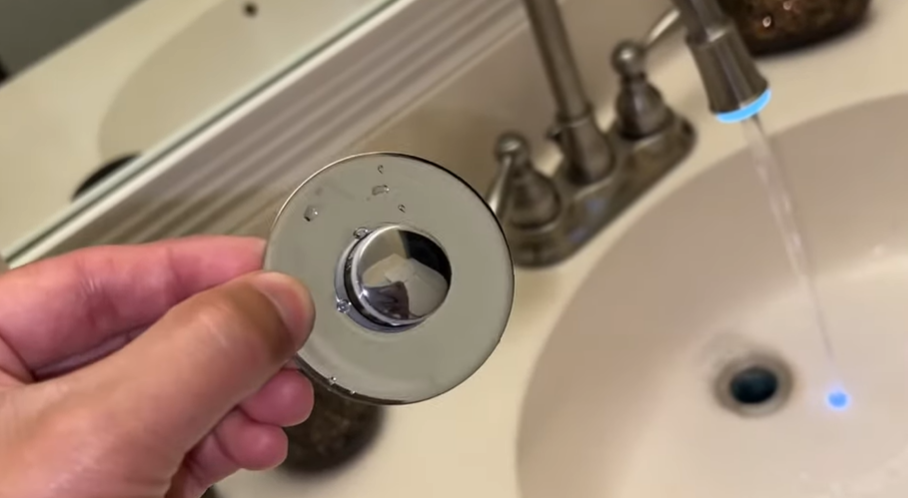
No, all kitchen sink holes are not exactly the same size, but most follow common standard dimensions. The majority of kitchen sink faucet holes are typically about 1⅜ inches (35 mm) in diameter, which fits most standard faucets and accessories. However, some sinks have additional or slightly different hole sizes for soap dispensers, sprayers, or air gaps. Always measure your sink holes before buying a new faucet or accessory to ensure proper fit.
Table of Contents
If you have ever asked, Are all kitchen sink holes the same size, you are not alone. I’ve helped many homeowners match faucets, disposals, and add-ons to their sinks. This guide breaks down real sizes, common setups, and the traps to avoid. I’ll share pro tips, real examples, and simple checks you can use today.
What counts as a “sink hole”?
Not all holes in or around a sink do the same job. Sizes vary because the jobs vary.
You will see at least two areas:
- The big drain opening in the bowl.
- The smaller mounting holes for faucets and add-ons on the sink deck or countertop.
If you wonder, Are all kitchen sink holes the same size, think of these as two classes. Drain holes follow one range. Mounting holes follow another. That is why one size cannot fit all.
Standard sizes at a glance
Here are common sizes you will meet when you shop or install. Use these as a guide, then verify your product spec sheet.
- Kitchen drain opening: 3.5 inches (about 90 mm) is the norm in the U.S.
- Bar or prep sink drain: 2 to 2.5 inches on some models; many now use 3.5 inches.
- Faucet mounting hole: 1.375 inches (35 mm) is most common.
- Some faucets: 1.25 inches (32 mm) or up to 1.5 inches (38 mm).
- Air gap, side sprayer, soap dispenser, RO faucet: often 1.25 to 1.375 inches.
- Hole spacing for 3-hole faucet trim: often 8 inches. Some older sets differ.
These are typical, not fixed. The phrase Are all kitchen sink holes the same size keeps coming up for a reason. Brands do vary.
Are all kitchen sink holes the same size?
Short answer: no. That is true for both the drain and the faucet area. The drain is often 3.5 inches. But bar sinks may differ. Faucet holes are often 1.375 inches. Yet some faucets call for 1.25 or 1.5 inches.
Why the mix?
- Different tasks need different parts.
- Old sinks and new sinks follow different trends.
- Codes for air gaps vary by state and city.
- European and U.S. gear can use different specs.
So, Are all kitchen sink holes the same size? No, and that is why measuring is key. Are all kitchen sink holes the same size in new builds? Usually closer, but still not the same. Are all kitchen sink holes the same size when a deck plate is used? No, the plate hides holes, but the hole size still matters.
Faucet holes and spacing explained
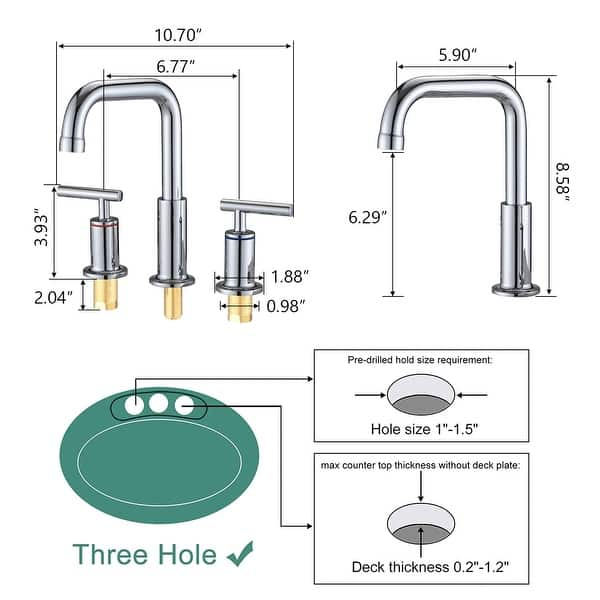
Most kitchen faucets fit a 1.375-inch hole. Many single-handle faucets mount in one hole. If your sink has three holes, a deck plate can cover the extra holes.
Key notes:
- Single-hole faucet: 1 hole, often 1.375 inches.
- Three-hole sink: often 8-inch spacing between outer holes.
- Four-hole sink: faucet plus an add-on like a sprayer or soap.
Watch for:
- Some pull-down faucets need 1.5 inches to pass the hose.
- Air gaps and soap pumps often use the same hole size as faucets.
- A deck plate hides holes but does not fix the hole size.
Are all kitchen sink holes the same size when it comes to faucets? No. Check the faucet spec before you drill.
Drain opening standards and garbage disposals
Many kitchen sinks use a 3.5-inch drain opening. That size matches standard strainers and most disposals. A disposal flange clamps to that opening.
What to watch:
- Bar/prep sinks can be smaller. Some still use 3.5 inches.
- Thick sinks or stone tops may need longer flanges or special kits.
- Some older cast iron sinks have odd sizes. Check before you buy.
You may ask, Are all kitchen sink holes the same size at the drain? Most full-size kitchen sinks are. But bar sinks can break the rule.
Countertop vs. sink deck holes
The hole may be in the sink deck, the countertop, or both. Drop-in sinks bring their own deck holes. Undermount sinks rely on holes drilled in the countertop.
Material tips:
- Stainless sinks: easy to add a hole if there is a knockout.
- Cast iron or fireclay: harder to drill; better to order with holes.
- Granite and quartz: drill with a diamond hole saw; use water; go slow.
- Laminate: back the cut to avoid chipping.
Are all kitchen sink holes the same size across materials? No. The best hole is the one your part needs and your material can handle
Measuring, templates, and a quick compatibility checklist
Measure first. Order second. Drill last. That simple rule saves time and stress.
How to measure:
- Use a caliper or tape. Measure the hole diameter.
- Check faucet or accessory spec. Look for “hole size” and “max deck thickness.”
- Confirm spacing. If you have 3 holes, measure center to center.
Quick checklist before you buy:
- Faucet shank fits the hole size.
- Deck thickness is within the faucet’s range.
- Plate covers any extra holes.
- Drain or disposal matches the sink opening.
- Local code allows your air gap setup.
- All gaskets and mounting hardware are in the box.
Ask yourself again: Are all kitchen sink holes the same size? No. But this checklist makes it a non-issue.
Common mistakes and how to avoid them
I see these errors often on jobs. Each has a simple fix.
- Drilling first, shopping later. Always match the part to the hole, not the other way.
- Ignoring deck thickness. Many faucets have a max. Thick stone may need an extension kit.
- Mixing metric and imperial. 35 mm and 1.375 inches are the same. 32 mm is not.
- Assuming the deck plate solves all. It hides holes, but the right diameter still matters.
- Skipping the air gap check. Some areas require it. Plan the hole.
If you still wonder, Are all kitchen sink holes the same size, remember these mistakes come from that myth.
Real-world examples and quick fixes
A client bought a faucet that needed a 1.5-inch hole. Their sink had 1.25 inches. We used a step bit to widen it to 1.375 inches, which the faucet also allowed, and it fit. No need to return the faucet.
Another job had a bar sink with a 2-inch drain. They wanted a disposal. We swapped the sink for one with a 3.5-inch opening. That change saved future headaches.
From years in the field, I can say this: Are all kitchen sink holes the same size? No. A tape, a spec sheet, and a plan beat guesswork.
Frequently Asked Questions of Are all kitchen sink holes the same size
Do most kitchen sinks have a 3.5-inch drain opening?
Yes, most full-size kitchen sinks use a 3.5-inch drain. This size matches common strainers and most garbage disposals.
What is the standard faucet hole size for a kitchen sink?
The most common faucet hole is 1.375 inches (35 mm). Some faucets need 1.25 or 1.5 inches, so always check the spec.
Can I mount a single-hole faucet on a 3-hole sink?
Yes. Use a deck plate that covers the extra holes. Make sure the plate width matches your sink’s hole spacing.
Do I need an air gap hole for my dishwasher?
Many places require an air gap by code. If so, you will need a hole, often 1.25 to 1.375 inches.
Can I drill a new hole in my sink or countertop?
Often yes, but it depends on the material. Stainless is easier; stone needs a diamond bit; cast iron is risky and may void warranties.
Are European faucets the same as U.S. faucets?
Some use the same 35 mm hole. Others may differ. Check if adapters are needed for your supply lines and hole size.
Conclusion
Hole sizes are not one-size-fits-all. The drain, faucet, and add-ons each have common ranges, but brands and materials vary. When you hear, Are all kitchen sink holes the same size, the smart move is to measure, compare specs, and plan your layout.
Take 10 minutes today to measure your setup and note each size. It will save you returns, delays, and stress. Want more practical guides like this? Subscribe, share your project in the comments, and tell me what you are building next.